A door opens, conditionally
Moscow says it is ready in principle to resume negotiations with Ukraine and the United States in November. That signals a possible return to the table, not an agreement to stop the war. [1]
What was announced
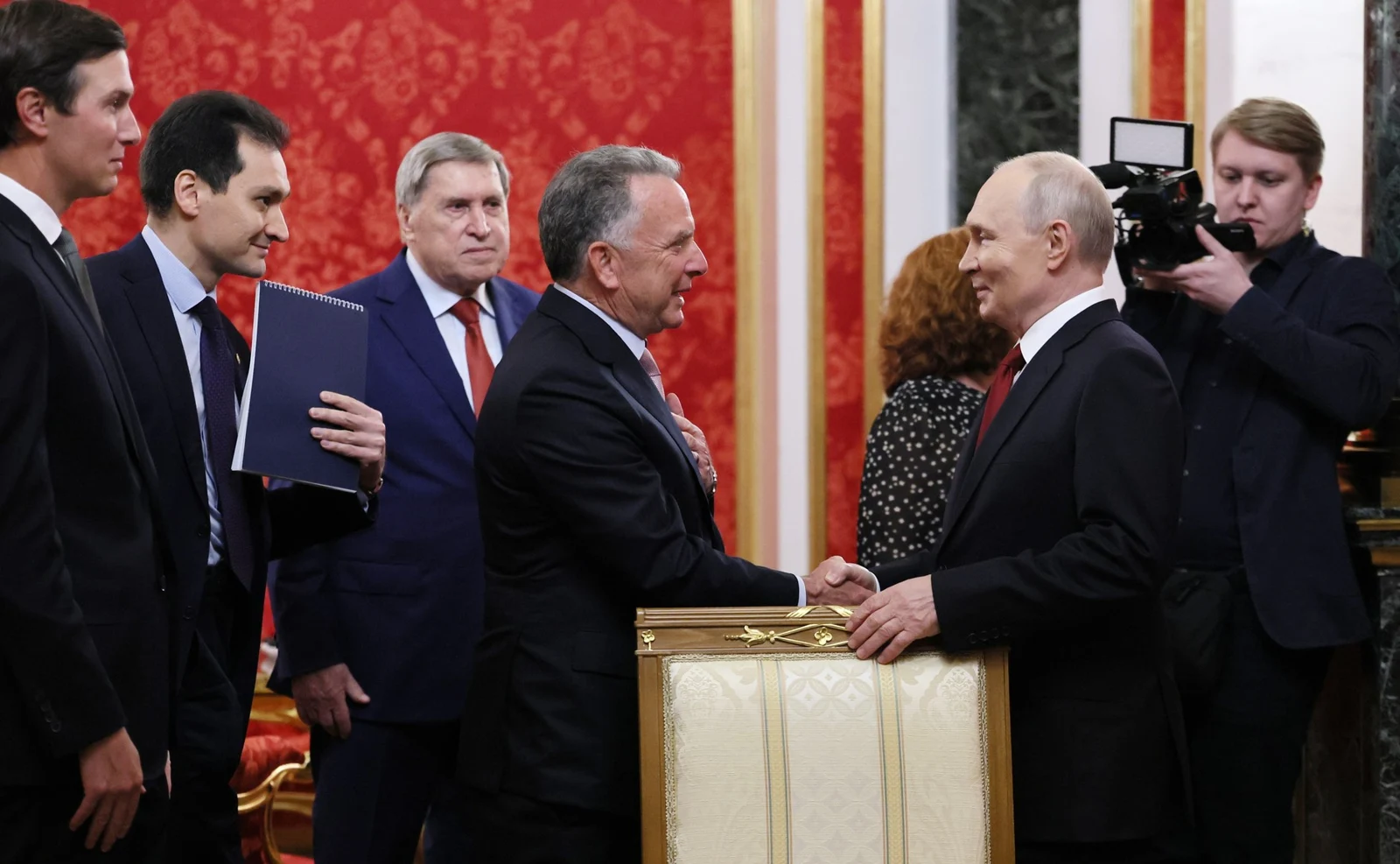
After Vladimir Putin met US envoy Steve Witkoff in St Petersburg on October 21, Kremlin adviser Yuri Ushakov pointed to talks around November 10. The proposed agenda includes a post-war security framework. These are statements from the Russian side, rather than a jointly signed timetable. [2]
The Oslo connection
Reuters reports that Witkoff briefed Putin on the previous day’s Oslo discussions with Volodymyr Zelenskyy and Nordic leaders. That sequence shows the mediation moving between capitals; it does not establish that all participants have accepted the same conditions or final text. [2]
Context: process is not peace
The distinction between agreeing to talk and agreeing on an outcome is the central issue. A negotiation can establish an agenda without resolving the issues on that agenda. Calling this a breakthrough would require evidence of shared commitments, not simply the announcement of another meeting. The headline’s caution is an editorial assessment of that gap.
What to watch next
The next meaningful signals would be a common date, confirmation of the delegations and a clearly defined remit. A ceasefire would also need its own terms: what stops, when it stops, who checks compliance and how breaches are handled. Those are questions to follow, not provisions established by this announcement.
The limit of today’s news
For readers, the useful test is whether the next statement adds something verifiable. Until then, diplomatic readiness should be reported as readiness. It is neither a guarantee of peace nor proof that negotiations cannot succeed.