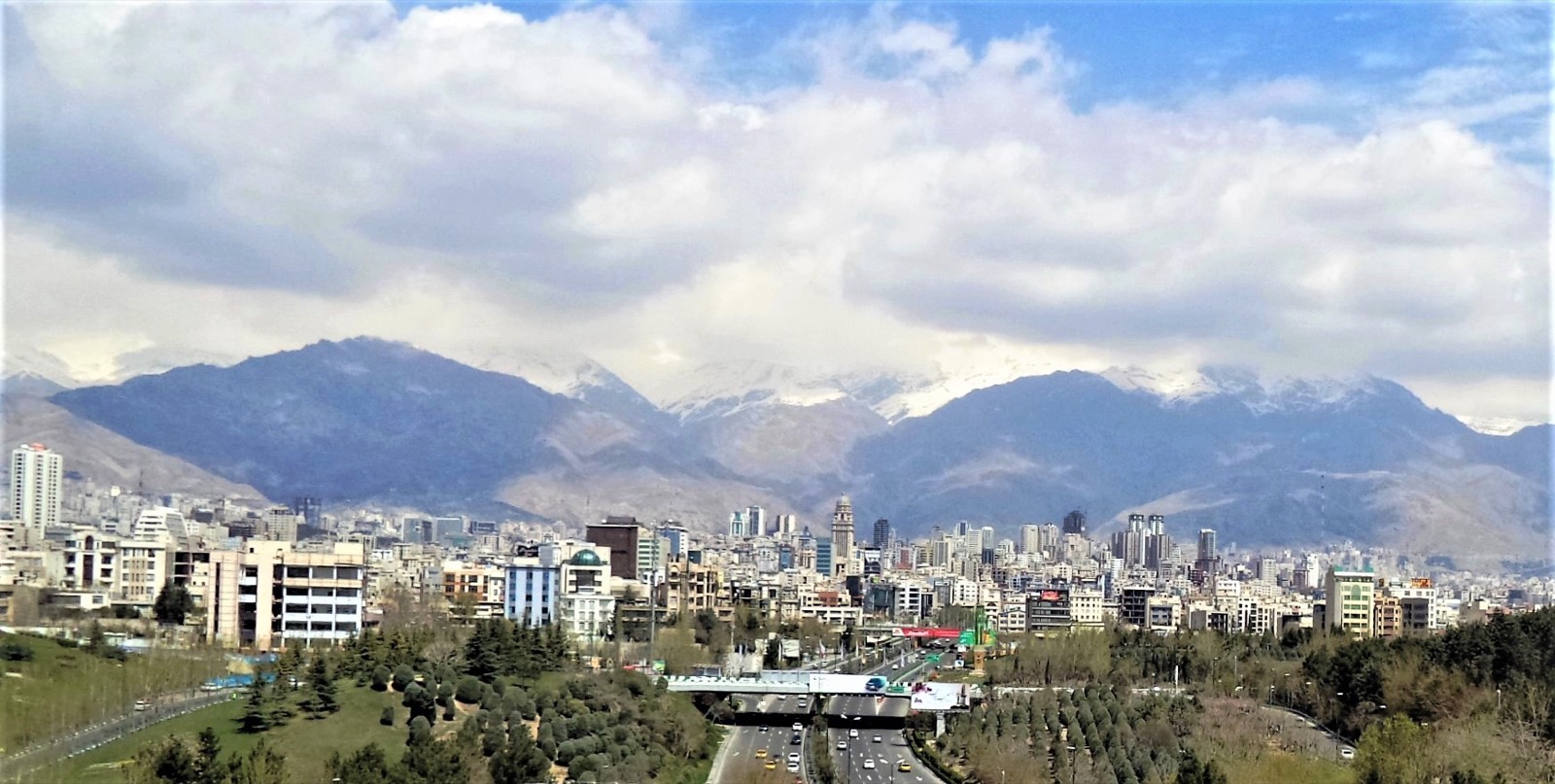
Senior officials from Saudi Arabia, Türkiye and Pakistan are in Tehran on 26 October for talks with Iran’s leadership aimed at reducing regional tensions. The diplomatic effort comes amid renewed Houthi attacks against Saudi Arabia and warnings exchanged by Washington and Tehran.
Saudi Defence Minister Khalid bin Salman heads his country’s delegation. Pakistan is represented by army chief Asim Munir and Türkiye by intelligence chief İbrahim Kalın. Consultations with Iran’s national-security institutions are on the agenda.
Riyadh says the aim is to open negotiating channels and prevent renewed military escalation. Iran frames the discussions around regional security. No joint agreement or cessation of fighting has been announced at publication.
Pakistan and Qatar have already been involved in mediation. An earlier interim arrangement in June failed to halt the conflict durably. Pressure for a diplomatic route has grown as the consequences spread across Gulf states.
The war affects shipping through the Strait of Hormuz, energy supplies and air routes. The Houthis announced fresh strikes against Saudi oil facilities and Riyadh airport; the report reviewed did not include independent Saudi confirmation of those specific impacts.
The meeting brings together countries with different interests but a shared need to contain the conflict. Its significance will depend on subsequent agreements and commitments that can be implemented, rather than the delegations’ presence alone.