China intensified its diplomacy over the Middle East conflict on Monday, holding separate high-level contacts with Iranian, Omani and Saudi representatives in Beijing. The meetings broaden the search for a political solution, but have not produced an announced peace agreement or a confirmed reopening of shipping routes.
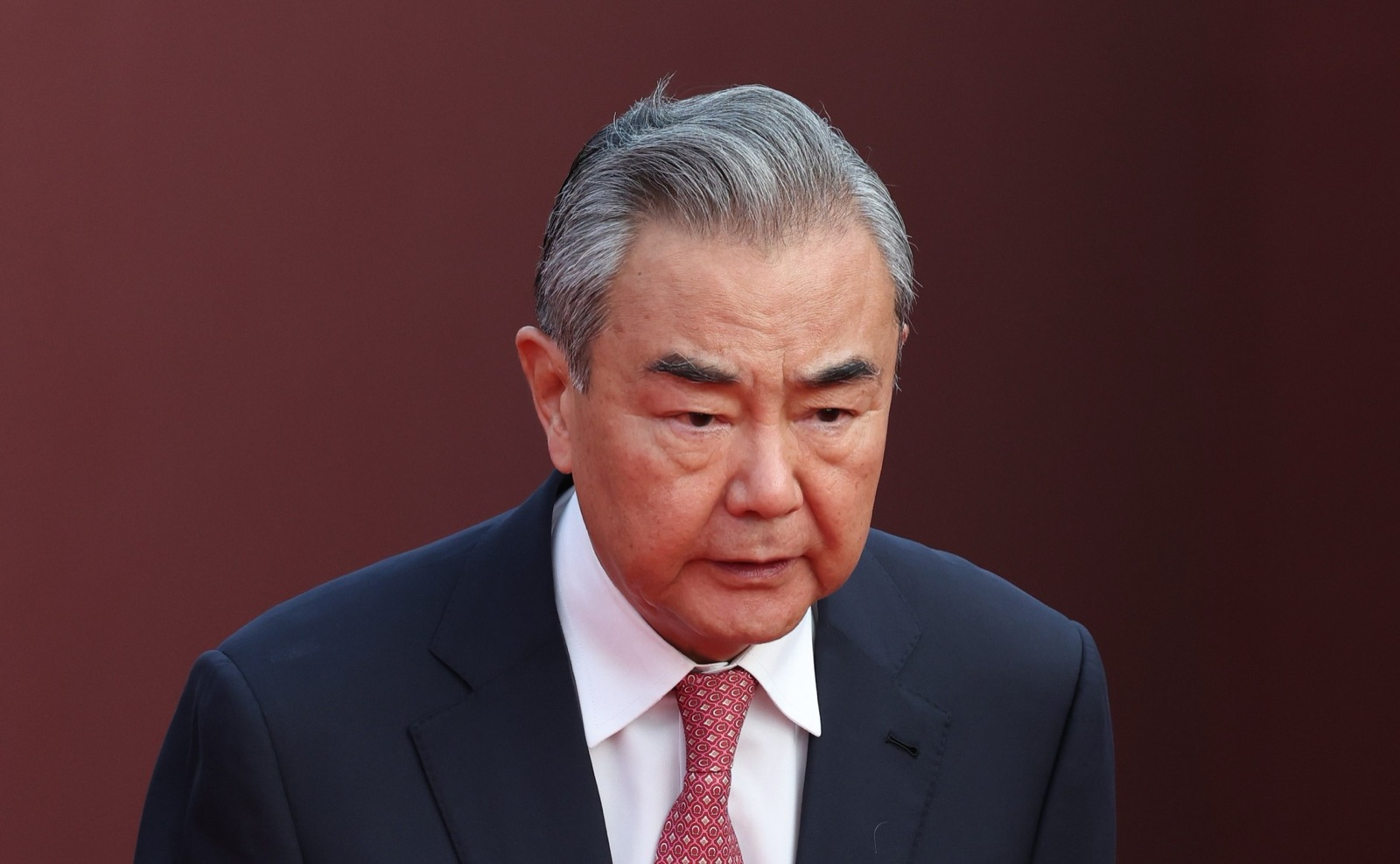
Foreign Minister Wang Yi met Ali Bagheri Kani, deputy secretary of Iran’s Supreme National Security Council. Wang urged the parties to focus on negotiation rather than renewed fighting and said China supported Iran in safeguarding its sovereignty and security. Bagheri Kani expressed readiness for contacts while insisting on Iran’s security and territorial integrity.
Wang also discussed the conflict with Saudi national security adviser Musaad bin Mohammad al-Aiban, linking dialogue to regional energy security and safe navigation. China plans to send its Middle East envoy to Iran, Oman and Saudi Arabia later this month as part of further shuttle diplomacy.
President Xi Jinping separately received Oman’s Sultan Haitham bin Tariq. The state visit, held on 1–2 November, is the first by an Omani sultan since the two countries established diplomatic relations. The talks add a Gulf partner with its own diplomatic channels to Beijing’s regional contacts.
The initiative comes while Iran and the United States remain divided over sanctions, security arrangements and access through the Strait of Hormuz. China’s involvement creates another channel for discussion, not evidence that those disputes have been settled. The practical test is whether the contacts produce reciprocal steps that the parties actually implement.