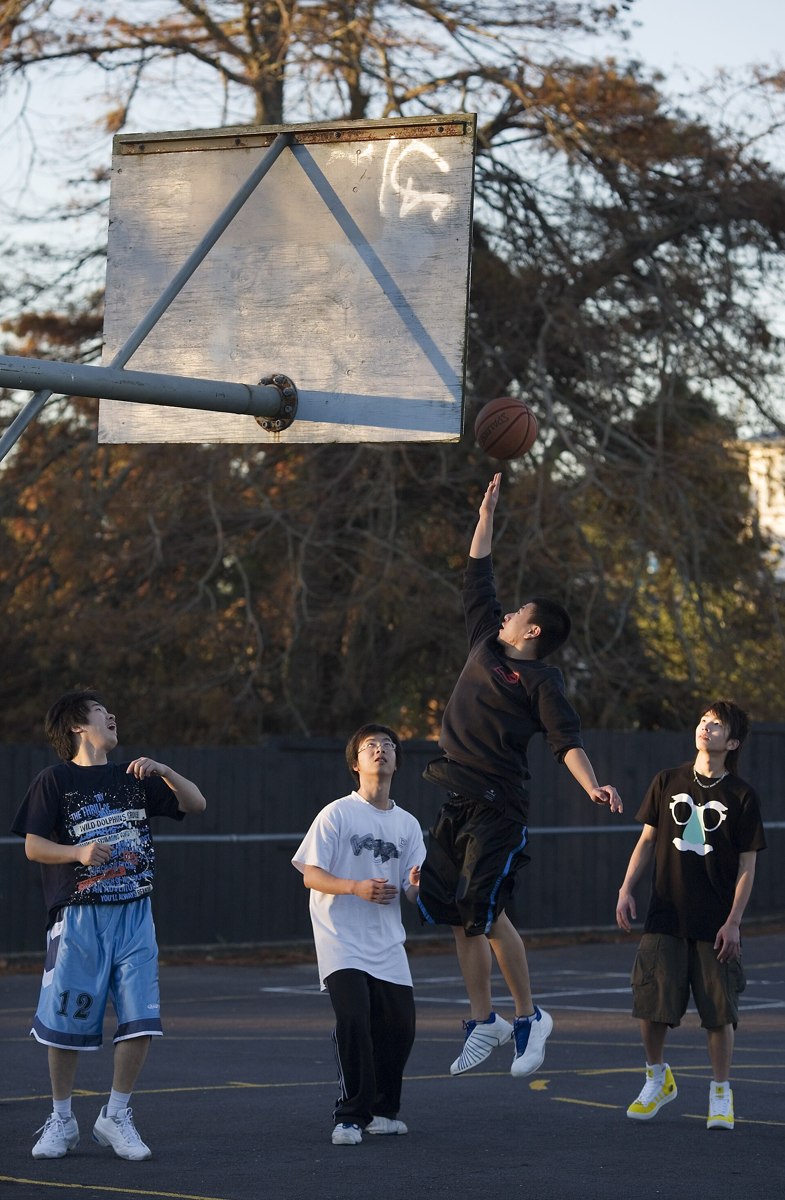
A new World Health Organization assessment finds that adolescent physical activity has changed little since 2010. In 2025, one in four young people aged 11–17 reported no day with at least 60 minutes of moderate-to-vigorous activity during the previous week.
That does not mean a quarter of teenagers never move. The measure concerns whether they reached a specific duration and intensity on any day in the reference week. Only 14% reported reaching that level on all seven days.
The report brings together 389 population-based surveys from 140 countries and territories, covering more than 3.2 million adolescents. Girls were consistently less active than boys, while differences between countries remained substantial.
No country is on course to meet the global target of a 15% relative reduction in physical inactivity by 2030. The findings point to a persistent gap between public-health ambitions and young people’s everyday opportunities to be active.
The recommended response goes beyond telling individuals to exercise. It calls for safe, affordable and enjoyable opportunities across schools, communities and other sectors, with particular attention to girls, the least active adolescents and inequalities. Stronger measurement is also needed to establish whether those efforts work.