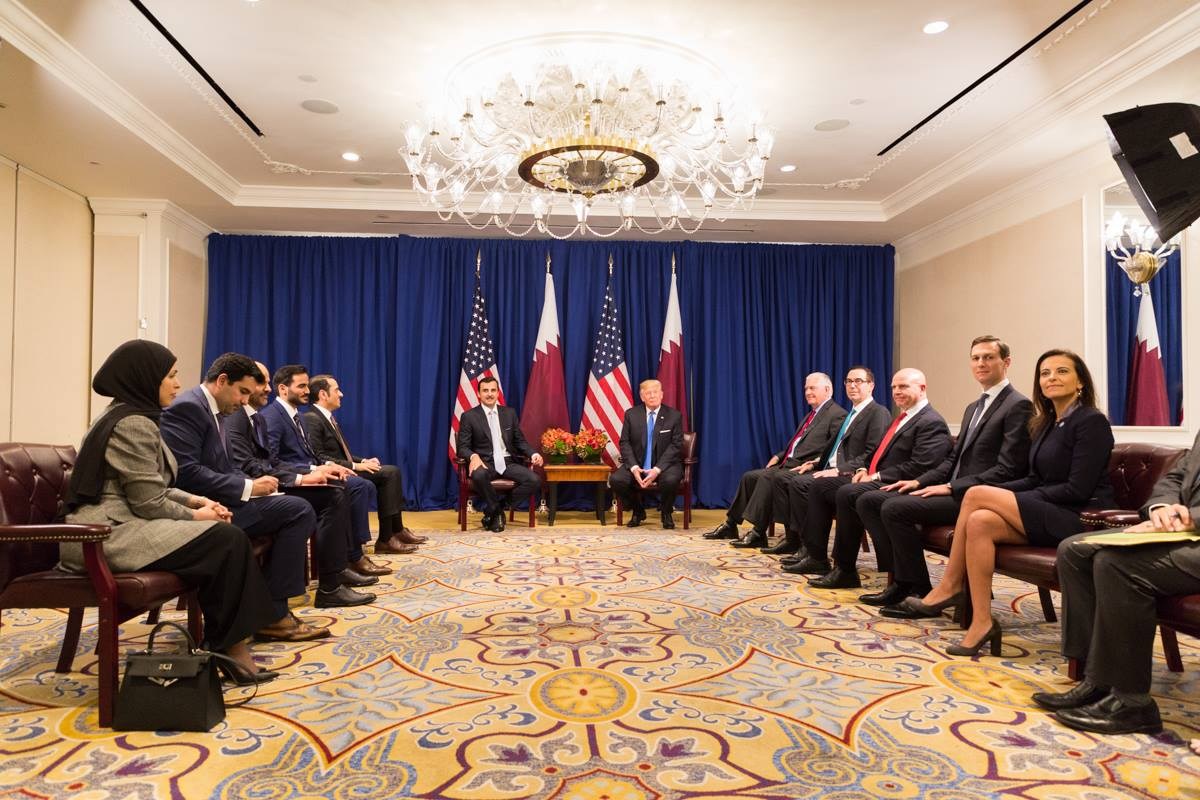
Donald Trump and Qatar’s Emir Sheikh Tamim bin Hamad Al Thani spoke by telephone on Friday, 6 November, as diplomatic efforts continued to reduce tensions in the Middle East.
The conversation covered Qatar’s mediation and attempts to narrow differences between the parties. Maritime navigation and energy security were also on the agenda. The official account did not announce a completed settlement.
Keeping the channel open
A telephone call can sustain negotiations without resolving their hardest questions. The distinction matters here: discussion of a comprehensive agreement is an objective of diplomacy, not evidence that its terms have been accepted.
Qatar’s involvement connects Washington with a regional mediator at a time when military decisions and diplomatic messages are developing alongside each other. For readers following the crisis, a new contact should be distinguished from a ceasefire, a signed text or an agreed timetable.
The next test is an outcome
The emphasis on navigation and energy supplies shows that the talks concern consequences beyond the immediate political dispute. Safe shipping requires conditions at sea; a statement of support for it does not demonstrate that those conditions have already been restored.
The next significant development would be a concrete, attributable decision: agreed negotiations, published commitments or verified implementation. Until then, the Friday call is evidence that the diplomatic channel remains active, while the outcome remains open.