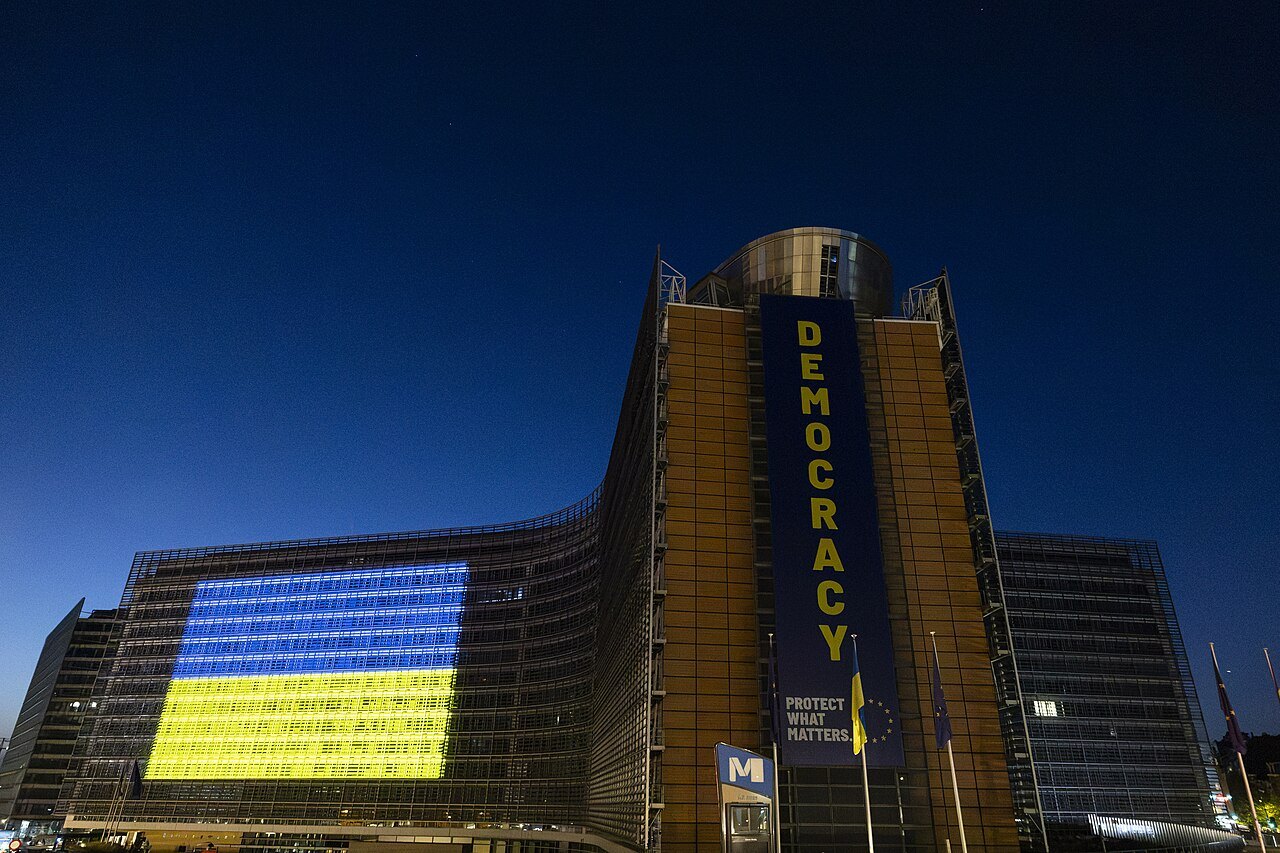
The European Commission is preparing a new sanctions package against Russia alongside proposals to cover Ukraine’s financing needs in 2027. Ursula von der Leyen outlined the next steps on 12 November as European leaders gathered in Dublin.
The proposals are intended to be presented before the next European Council. The announcement sets a political timetable; it is not confirmation that the new package has already been adopted.
Pressure and financial support
The planned sanctions would be the EU’s 22nd package. Their detailed contents have not been established in the announcement, so it does not yet provide a basis for naming new targets or claiming that particular restrictions have entered into force.
The financing proposal addresses a separate but connected question: how Ukraine can meet its needs during the next year while the war continues. A promise to present a plan is not the same as a final funding agreement or money already transferred.
Why the distinction matters
Sanctions and financial support work through different channels. Restrictions seek to increase the costs of Russia’s war effort, while financing helps Ukraine sustain its capacity to function and respond.
Both depend on decisions beyond the Commission’s initial announcement. The content, legal approval and implementation of a sanctions package determine its practical reach. A funding plan must also turn into agreed arrangements.
Dublin therefore produced a clear signal of further European action, rather than a completed set of measures. The next test is the text of the proposals and the response of member states, particularly as diplomacy over the war continues alongside military and economic pressure.