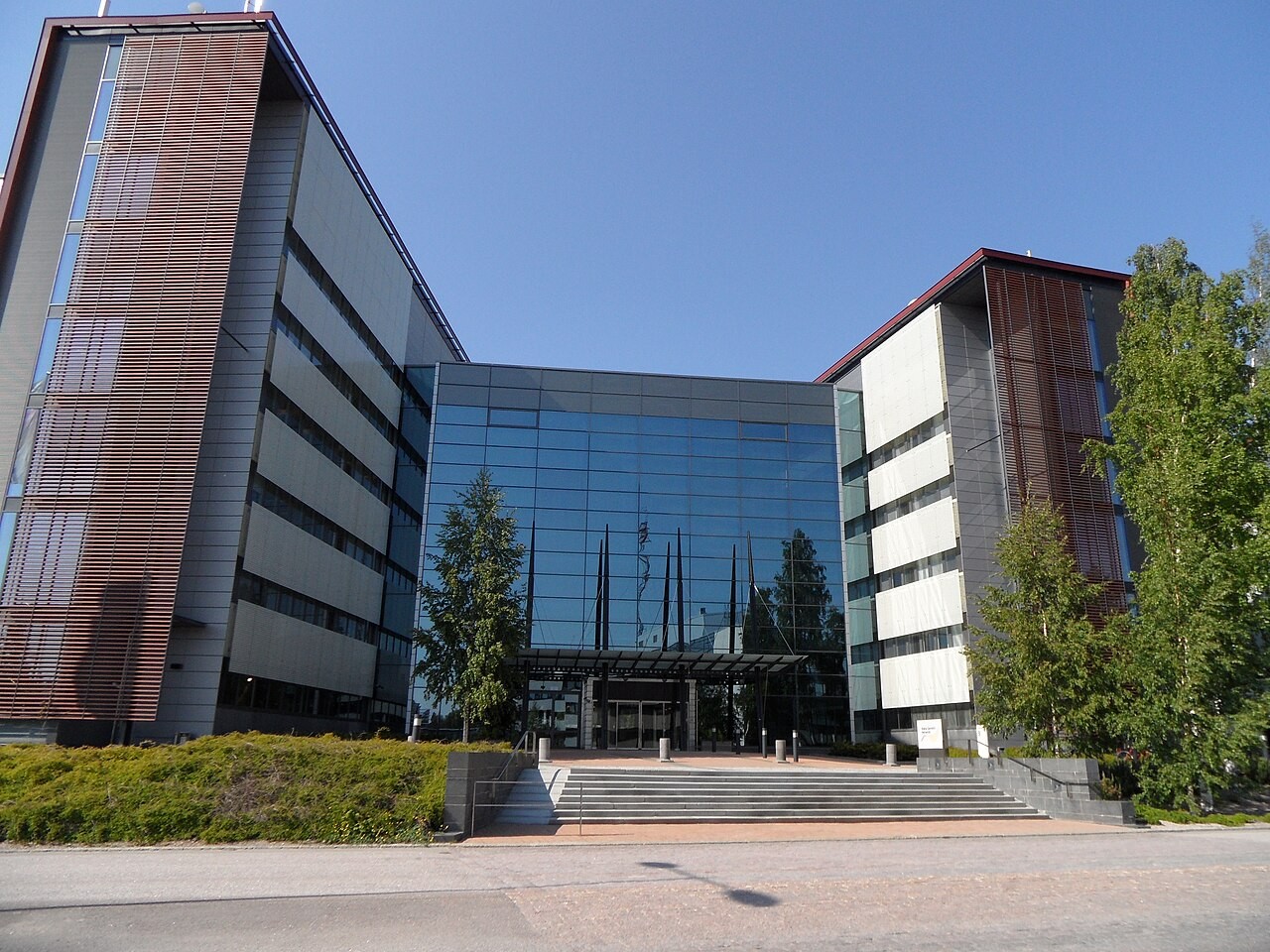
Nokia, Nscale, Skeleton, Telia and Verda have formed a consortium to develop a distributed AI gigafactory across northern Europe. The partners announced AI Gigafactory Northern on 16 November and intend to compete in the EuroHPC procurement programme.
Instead of concentrating everything in one facility, the plan links Oulu in Finland, Iru in Estonia and Valmiera in Latvia with a Swedish location that has not yet been selected.
Computing depends on connections and electricity
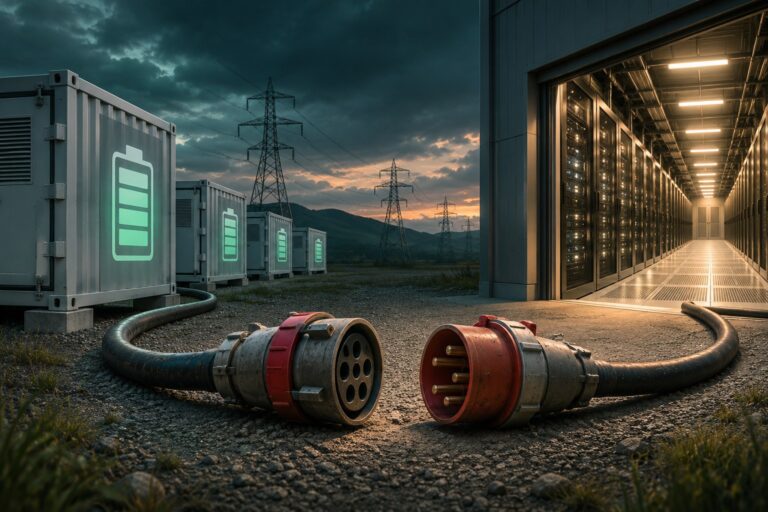
The proposal combines computing capacity, cloud services and high-capacity networks with lower-carbon energy. Linking multiple sites could spread operational risks and allow capacity to grow in more than one electricity system.
That architecture also creates demanding engineering work. Data must move reliably between locations, while power availability, grid connections and the delivery of equipment still determine how quickly a planned facility can become usable capacity.
A consortium is not an awarded contract
The announcement establishes the partners and their intention to bid. It does not confirm that the project has won European funding, secured a procurement contract or completed construction.
The EuroHPC procedure has separate deadlines: 3 December 2026 for Lot 2 and 4 February 2027 for Lot 1. The consortium’s announcement does not identify an awarded lot or a completed tender outcome.
For Europe’s AI ambitions, the project illustrates how telecom networks and energy systems increasingly sit alongside processors in the same industrial strategy. The next concrete milestones are the bid, funding decisions, site arrangements and a delivery timetable rather than the announcement alone.