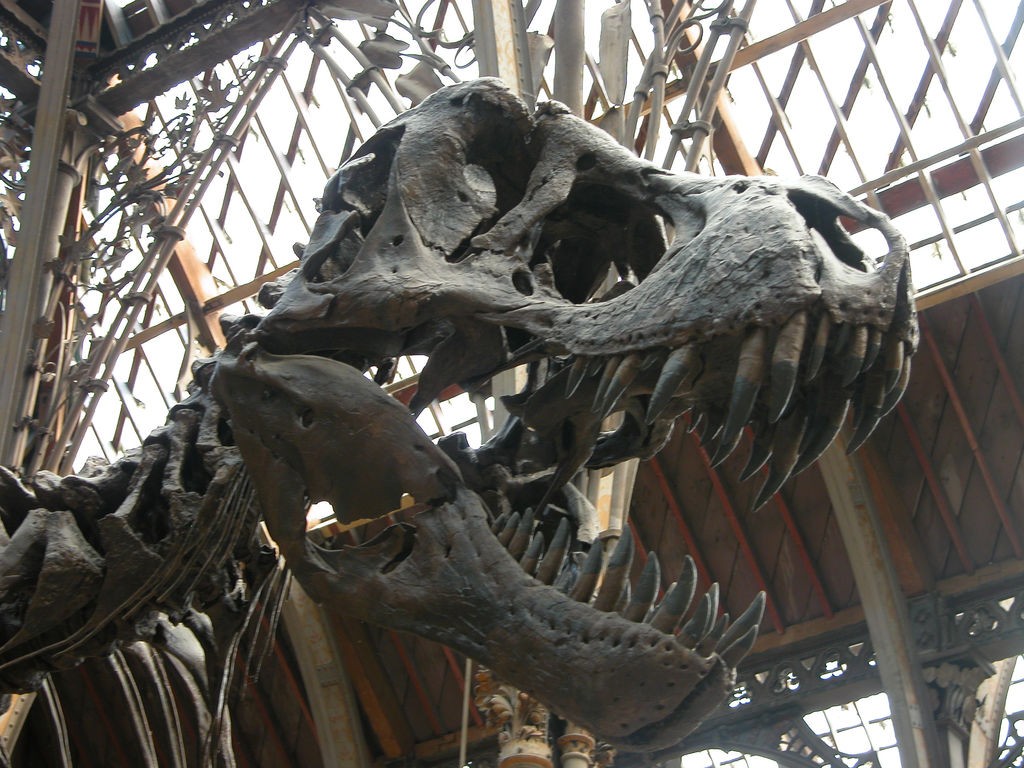
A Tyrannosaurus rex and a 25-metre blue whale are about to receive names chosen through a public initiative at Natural History Museum Abu Dhabi. The winning names will be revealed on 22 November, the museum’s first anniversary, rather than being left to a label written behind closed doors.
The public was invited to submit suggestions, with the final choices made by a jury of museum experts. The selected names will be permanently displayed beside the specimens. It is a small but lasting way of giving visitors a place in an institution usually defined by its curators and collections.
A birthday beyond the birthday cake
The celebrations run from 19 to 22 November. Thursday’s School Takeover invites pupils to experience museum jobs and meet staff working in galleries and behind the scenes. On Friday, Curiosity After Dark adds an after-hours programme inside and outside the museum.
Saturday brings scientist encounters, guided visits and workshops. The sequence shifts the focus from simply looking at objects to meeting the people and methods that explain them. A natural history museum can display an impressive skeleton; making visitors curious about the evidence behind it is a different kind of attraction.
The anniversary also introduces Curiosity Lab, a permanent interactive space for children aged three and above and their families. Its opening is scheduled for Sunday, 22 November. It should not be confused with an exhibit already open at the start of the four-day programme.
Small things get a large stage
The lab’s first edition, Into the Micro World, will use microscopes, tactile stations and creative activities to explore insects, plants and minerals. Large-scale macro photographs by Emirati photographer Yousef Al Habshi are part of that experience, bringing details normally missed by the naked eye into view.
The two specimen names remain the weekend’s unanswered question until the official reveal. The invitation is the interesting part: instead of only asking the public to remember what an institution calls its exhibits, the museum has asked visitors what those exhibits should be called.