Ethiopia has launched a polio vaccination campaign targeting more than 11.3 million children, with teams visiting households to reach children who might otherwise miss protection.
The first round runs from 21 to 24 November across five regions. A second round is planned for 18–21 December. The target is the number of children the campaign aims to reach, not a count already vaccinated.
The gap is where the virus spreads
Ethiopia remains free of wild poliovirus, but circulating variant poliovirus continues to cause outbreaks. Type 1 circulating variant virus has been reported this year.
Such outbreaks can occur where population immunity is too low. In under-immunised communities, weakened virus used in oral vaccines can circulate for a prolonged period and, rarely, change into a form capable of causing paralysis. This is different from the return of wild poliovirus and underscores the importance of closing vaccination gaps.
More than a round of drops
Polio is an infectious viral disease that mainly affects young children and can invade the nervous system. There is no cure for the disease; vaccination is the means of preventing it. Repeated doses build protection, while surveillance helps detect transmission that might otherwise remain hidden.
The Ethiopian campaign will also identify children who have received no routine vaccines or missed doses and connect them with immunisation services. Its value therefore extends beyond the immediate polio response.
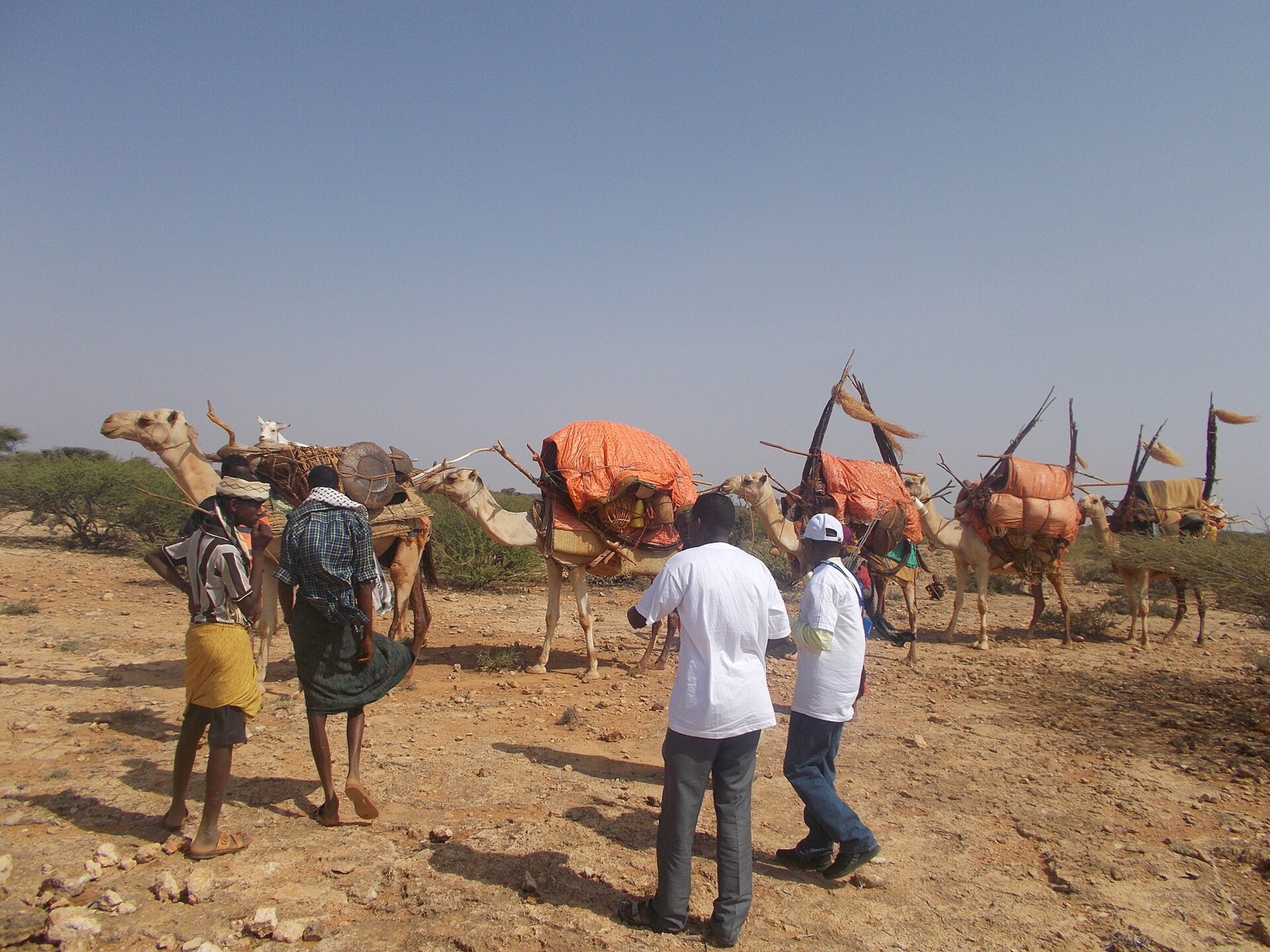
The practical challenge is reaching every eligible child, including families on the move and communities with limited access to health care. A launch announcement cannot establish that this has happened. Coverage checks and continued monitoring will show whether the campaign has reached the children most likely to be left outside routine protection.