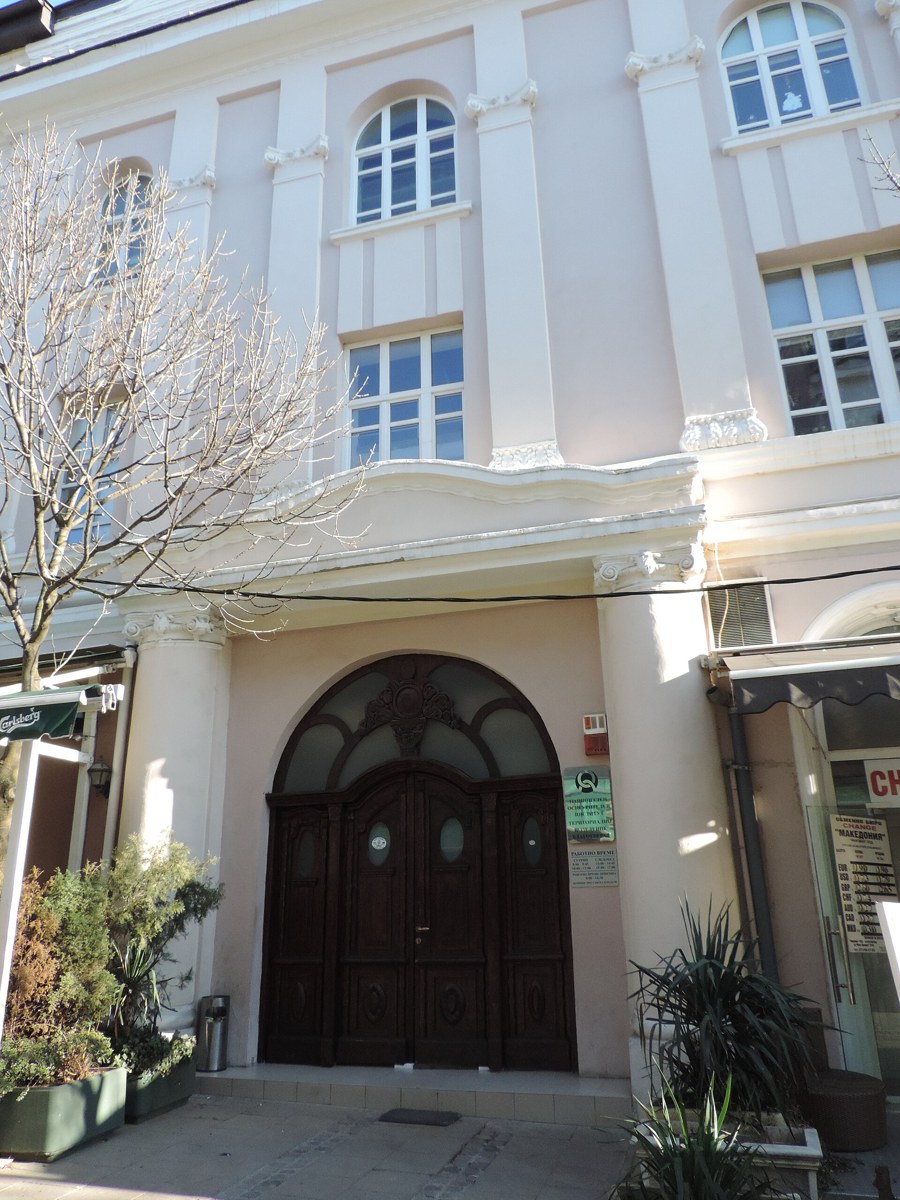
Employees of Bulgaria’s Employment Agency are taking their turn in relay strikes on 24 November, following the opening action at the Social Assistance Agency a day earlier. The union continues to demand a fixed monthly pay increase of €350 and restoration of the length-of-service payment.
The Administrative Employees’ Union Podkrepa is demanding a fixed monthly pay increase of €350 from the beginning of next year and restoration of the additional payment for length of service. These are union demands, not an agreed change to salaries.
One hour at a time
The programme runs from 23 November to 1 December and covers seven institutions. Alongside social assistance, participants include staff in employment services, labour inspection, property registration, surveying and cadastre, the National Statistical Institute and the National Social Security Institute.
The action is staged in Sofia and territorial structures across the country. It is not a continuous week-long shutdown of every public office: different institutions are to stop for an hour according to the strike schedule.
The dispute goes beyond a percentage
The union cites low pay, widening wage differences and unequal treatment within the administration. A fixed increase would add the same amount to salaries, rather than the same percentage to different starting salaries.
For citizens, the immediate practical question is which office is participating and when. Anyone planning a visit should check the relevant institution’s notice rather than assume that all public services have stopped for the entire day.