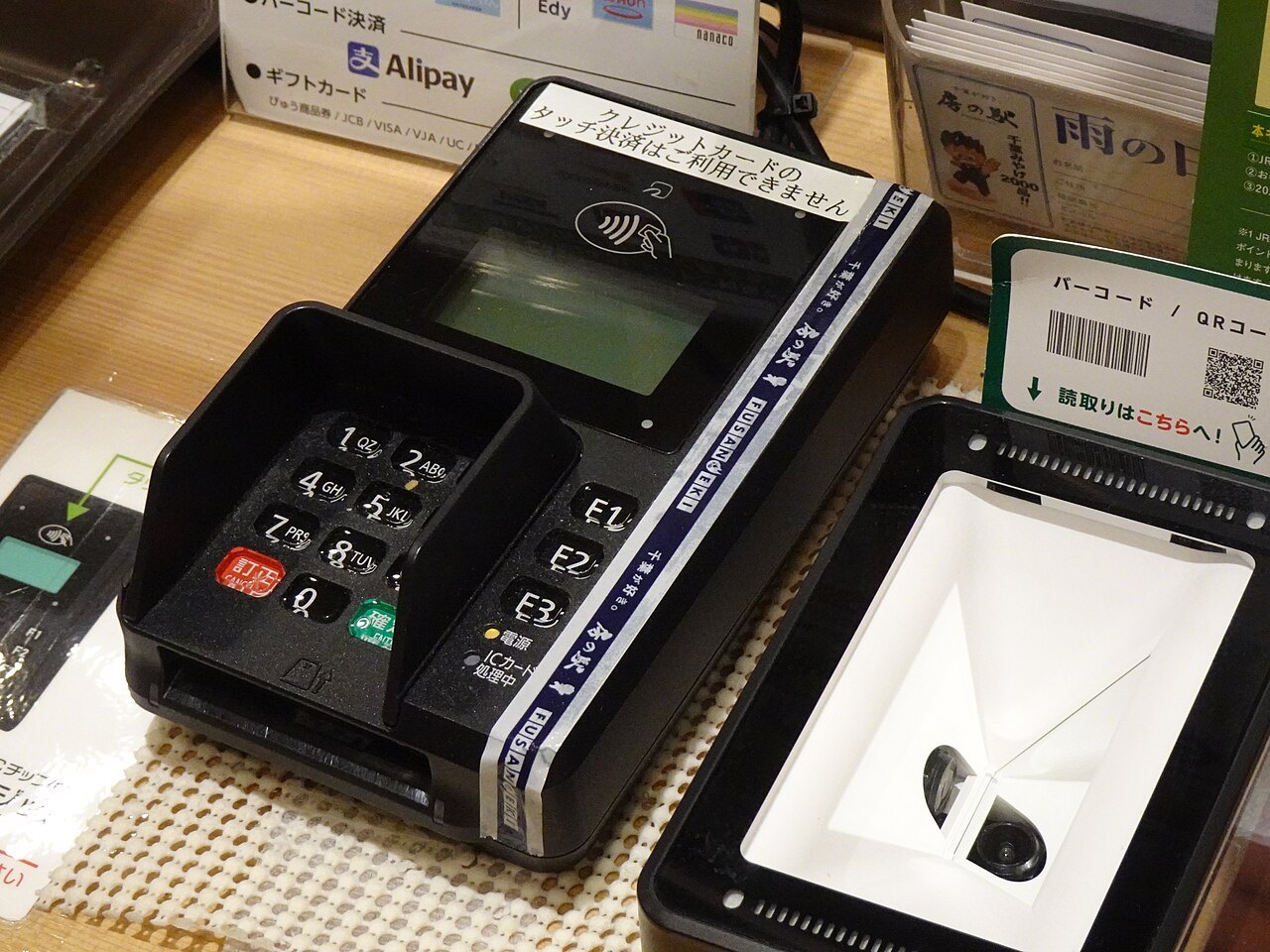
Cards have overtaken cash by number of payments at physical locations in the euro area for the first time since comparable data began in 2016. Physical cards account for 45% of transactions, compared with 44% for cash, in the ECB’s latest consumer study.
The results were published on 25 November. Mobile payments reached 9%, up from 6% in 2024. The figures describe the frequency of payment methods, not their share of the total amount of money spent.
Preference and actual use differ
When asked what they preferred in shops, 54% chose cards or other cashless methods, 22% preferred cash and 23% had no clear preference. Actual payment behaviour therefore should not be treated as identical to people’s stated first choice.
Cash remains particularly important for small payments and transactions between individuals. Only 3% of respondents said they never use it.
Consumers want a choice
The ability to pay digitally matters to 82% of consumers, while 62% value the option of paying cash. Those positions can overlap: a customer may want both options available.
The survey covered 51,551 respondents in two collection rounds, spanning late 2025 and spring 2026. It describes a gradual change in payment habits, rather than announcing the end of cash or a new rule requiring people to use cards.