What Google’s preliminary report says
Google’s 22 October report attributes the London-region disruption to a power interruption and failed generator-start automation in zone europe-west2-b. It records a main incident lasting six hours and ten minutes, ending on 20 October. This is a retrospective report, not an announcement of an ongoing outage. [1]
Why other zones felt it
Google says redirected workloads and dependencies on the offline zone caused additional queues, latency and errors elsewhere in the region. The company labels the analysis preliminary and says a final report will follow. The report therefore supplies an initial explanation rather than a completed independent investigation. [1]
Context: redundancy needs a working sequence
A backup component is useful only if the steps that activate it succeed. Similarly, moving traffic away from a failed location requires somewhere capable of accepting the load. These are general resilience questions prompted by the incident, not a separate finding about the design of every Google service or every cloud provider.
What customers can learn from the report
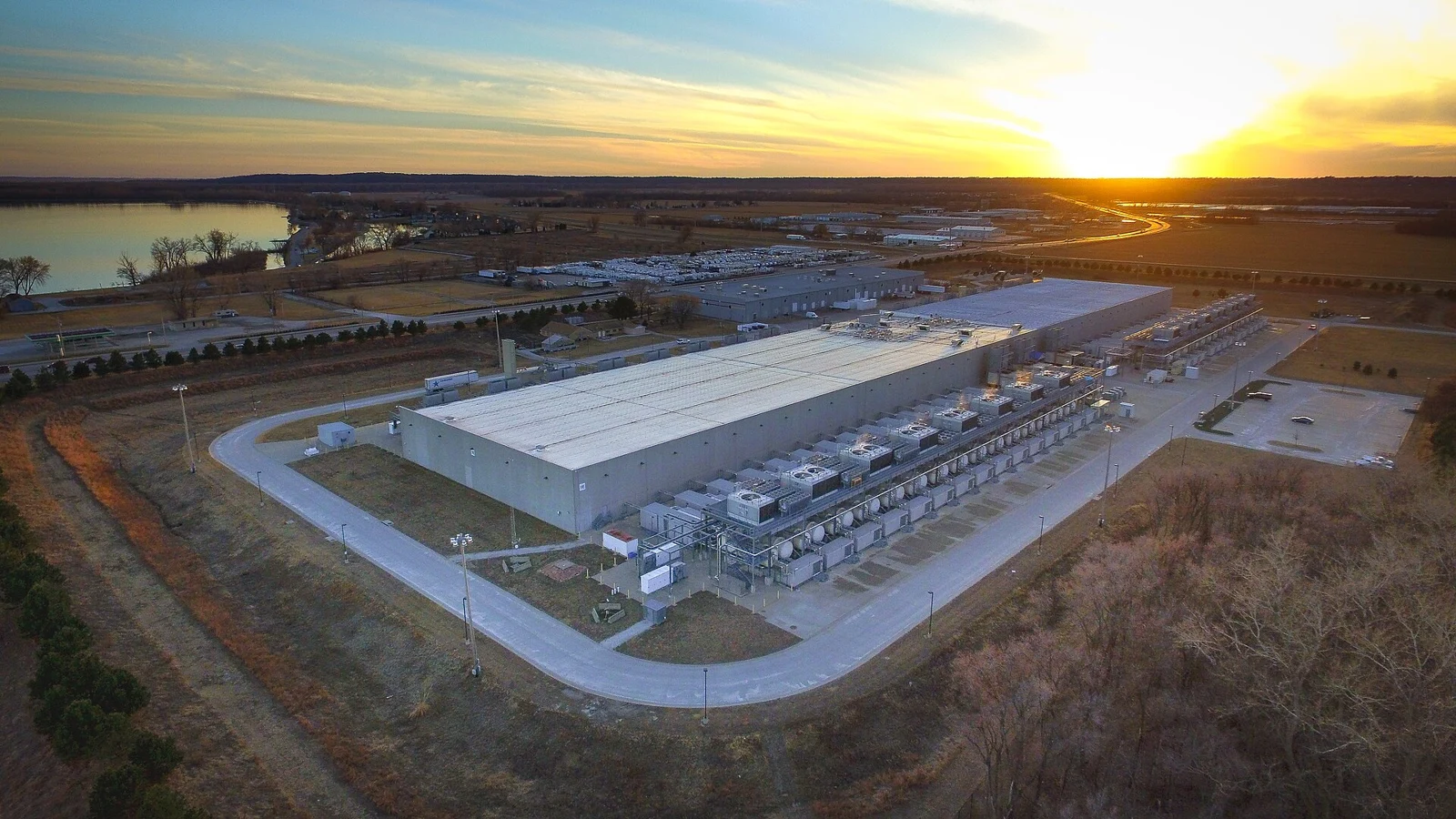
The practical review is whether an application’s dependencies, recovery assumptions and available capacity match its continuity plan. A provider’s recovery timestamp does not by itself establish that every customer process has caught up. Nove.news has not tested individual workloads or assessed contractual claims. The image shows Google’s Council Bluffs site in Iowa in 2017, not the London facility.