What the original investigation confirms
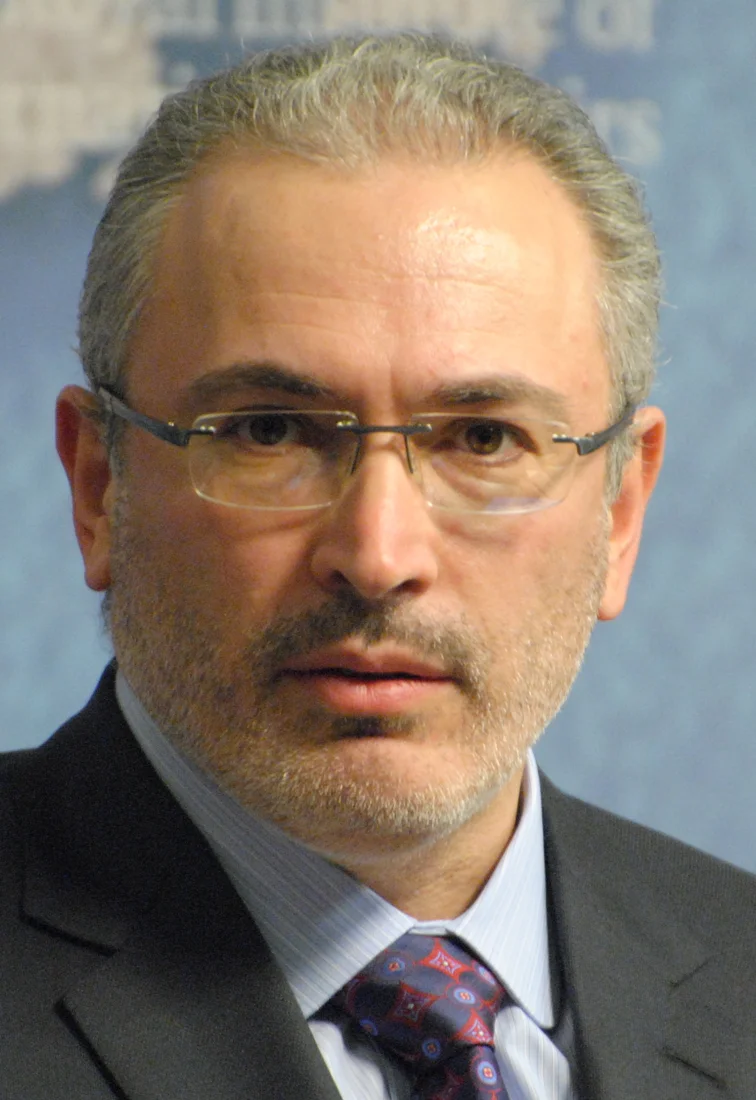
Citizen Lab, working with SHARE Foundation, says it found with high confidence that Belgrade University rector Vladan Đokić’s iPhone was infected with Pegasus in 2026. The original report was published on 19 October. Coverage on 23 October brings it back into the news; it is not a newly dated forensic discovery. [1]
Two cases, two levels of evidence
For prosecutor Rade Bajić, the researchers report an Apple threat notification and continuing forensic analysis. They describe the notification as a high-confidence indicator of mercenary-spyware targeting, not confirmation of a Pegasus infection. The report does not establish the identity of the operator behind either case. [1]
Why the distinction matters
An alert that someone was targeted, evidence of a successful compromise and attribution to a particular operator are different findings. Treating them as interchangeable would overstate the investigation. The relevant public-interest question concerns both the security of the individuals and whether surveillance can interfere with independent institutions. That question does not justify filling evidentiary gaps with assumptions.
Context: the institution is part of the story
A rector or prosecutor may hold information about other people as well as their own communications. A compromise can therefore raise questions about confidentiality beyond the named individual. The scale and consequences in these cases still require evidence. Nove.news has not examined the devices or verified particular messages, contacts or documents as having been taken.
What further evidence would add
A completed forensic assessment could clarify the prosecutor’s case. Separate evidence would be needed to identify who commissioned or operated an attack and whether information was extracted or used. Until then, the article distinguishes the researchers’ confirmed infection finding from the alert and the open questions. The photograph shows the university rectorate in June 2008; it does not show an attack or a device examination.