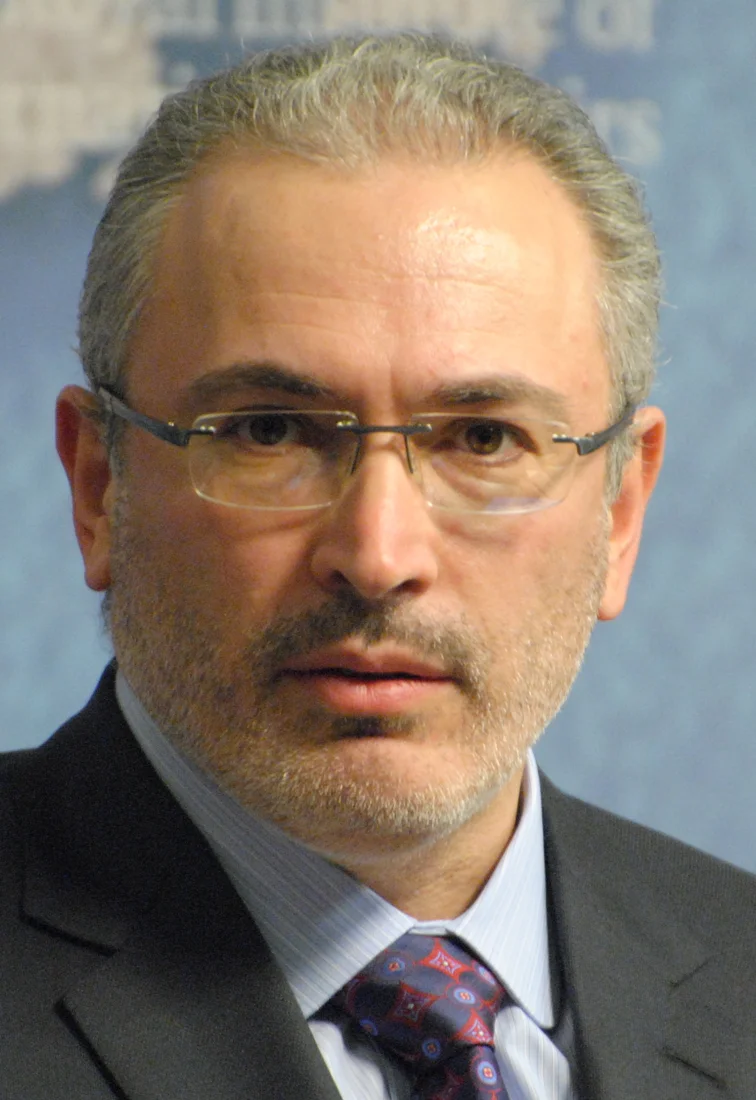
The reported register
Russia’s Justice Ministry has published a register initially containing 12 people living in exile, AFP reported in an account carried by bTV on 23 October. The named figures include Mikhail Khodorkovsky, Ekaterina Schulmann and Yevgeny Chichvarkin. The report describes them as having been convicted in absentia. Nove.news has not independently verified every underlying judgment or each individual’s current access to services. [1]
How restrictions reach across borders
The measures described include blocking money held in Russian banks and restricting access to public and consular services. A person may live abroad while still needing documents, financial access or administrative acts from their country of citizenship. That is the practical link between a domestic register and life outside Russia. The effect on a particular person depends on their circumstances and the measure applied. [1]
The competing interpretations
AFP reports that Russian officials frame the system as enforcing penalties against people abroad, while human-rights criticism describes it as pressure on opponents in exile. These are distinct positions, and the government’s legal classification should not be treated as an independent assessment of political activity. Equally, a reported restriction should not be expanded into consequences that have not been documented. [1]
What the list does not establish
Inclusion in a register is not evidence of extradition, arrest abroad or enforcement by another state. Those would require separate legal steps and confirmation. The significant development here is the use of Russian financial and administrative systems against people outside the country. Further reporting should distinguish the formal rules from evidence of how they are implemented in individual cases.