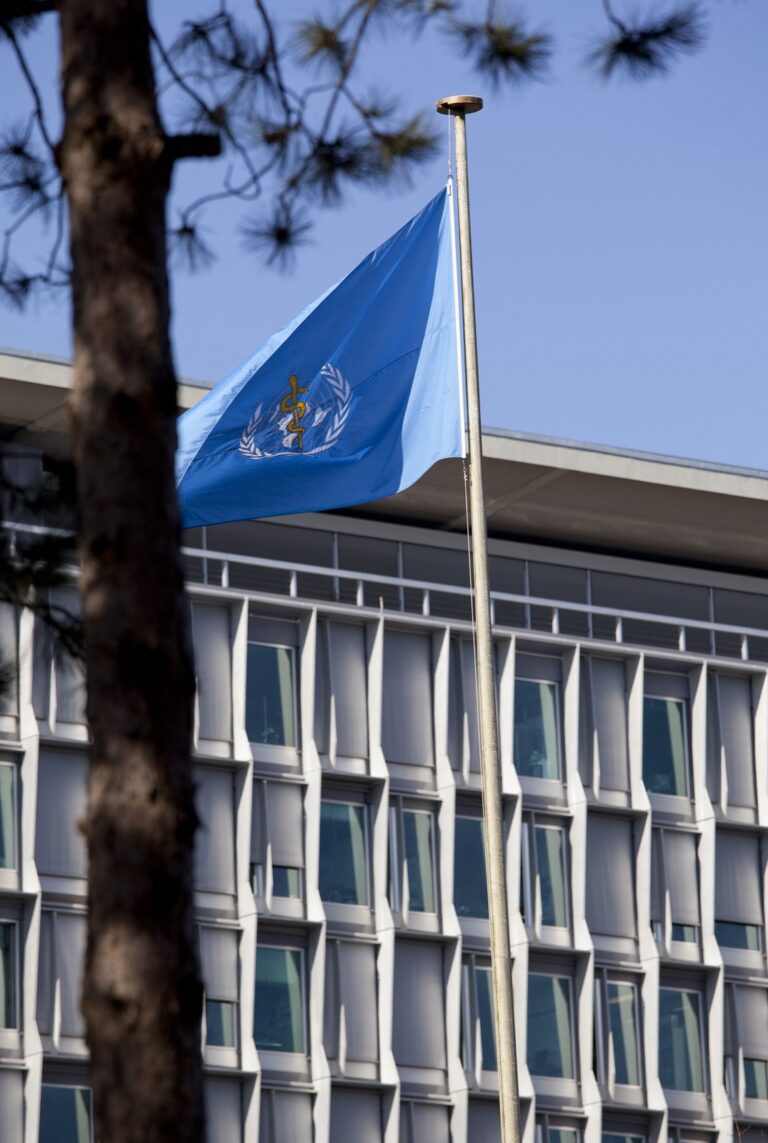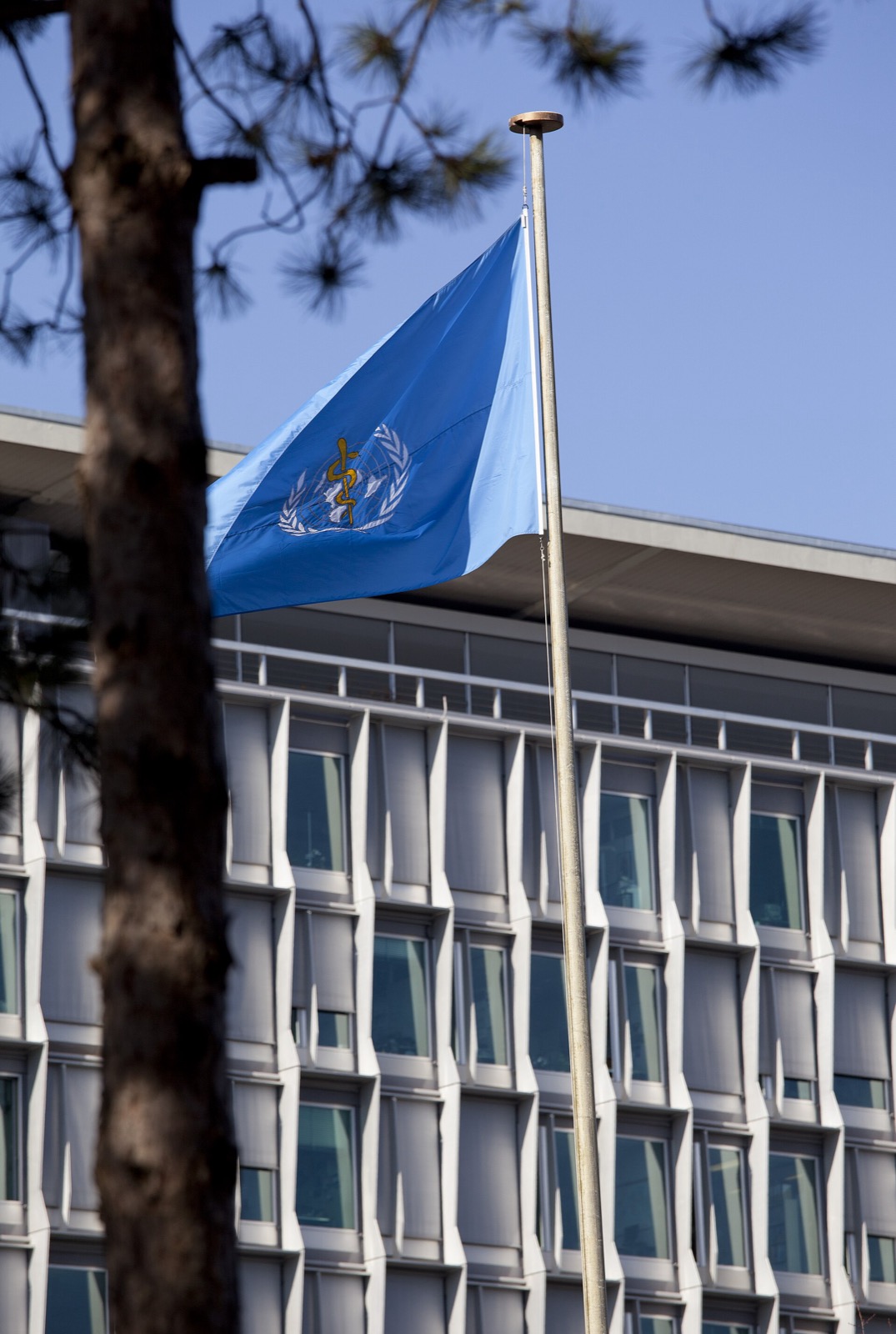
The World Health Organization’s European regional meeting opened in Copenhagen on 27 October with a familiar challenge: how to protect essential health work while money and staffing remain under pressure. The three-day session brings together Member States and partners to consider priorities extending beyond the immediate budget squeeze.
In his opening address, Director-General Tedros Adhanom Ghebreyesus said WHO had stabilised after a difficult period of funding cuts. He pointed to the decision to increase mandatory Member State contributions progressively, reducing reliance on a financing model dominated by other funding sources. That is the organisation’s assessment of its position, rather than evidence that every programme has escaped disruption.
The agenda combines financial questions with changes already reshaping health systems. On 28 October, delegates are due to discuss current and proposed programme budgets. On 29 October, they are expected to consider a strategy on ageing and a roadmap for action on artificial intelligence in health. These are scheduled deliberations; this report does not present them as decisions already adopted.
For patients, the connection is practical. An ageing population needs coordinated care over longer periods, while digital tools bring questions about reliability, access and accountability. Introducing AI into a service does not by itself make that service safer or more available.
For countries including Bulgaria, the meeting offers a framework for shared priorities, not an automatic national reform. Funding, workforce capacity and implementation will determine what reaches clinics and communities. The significant next step is the final wording of decisions and the resources behind them, rather than the breadth of the opening programme alone.