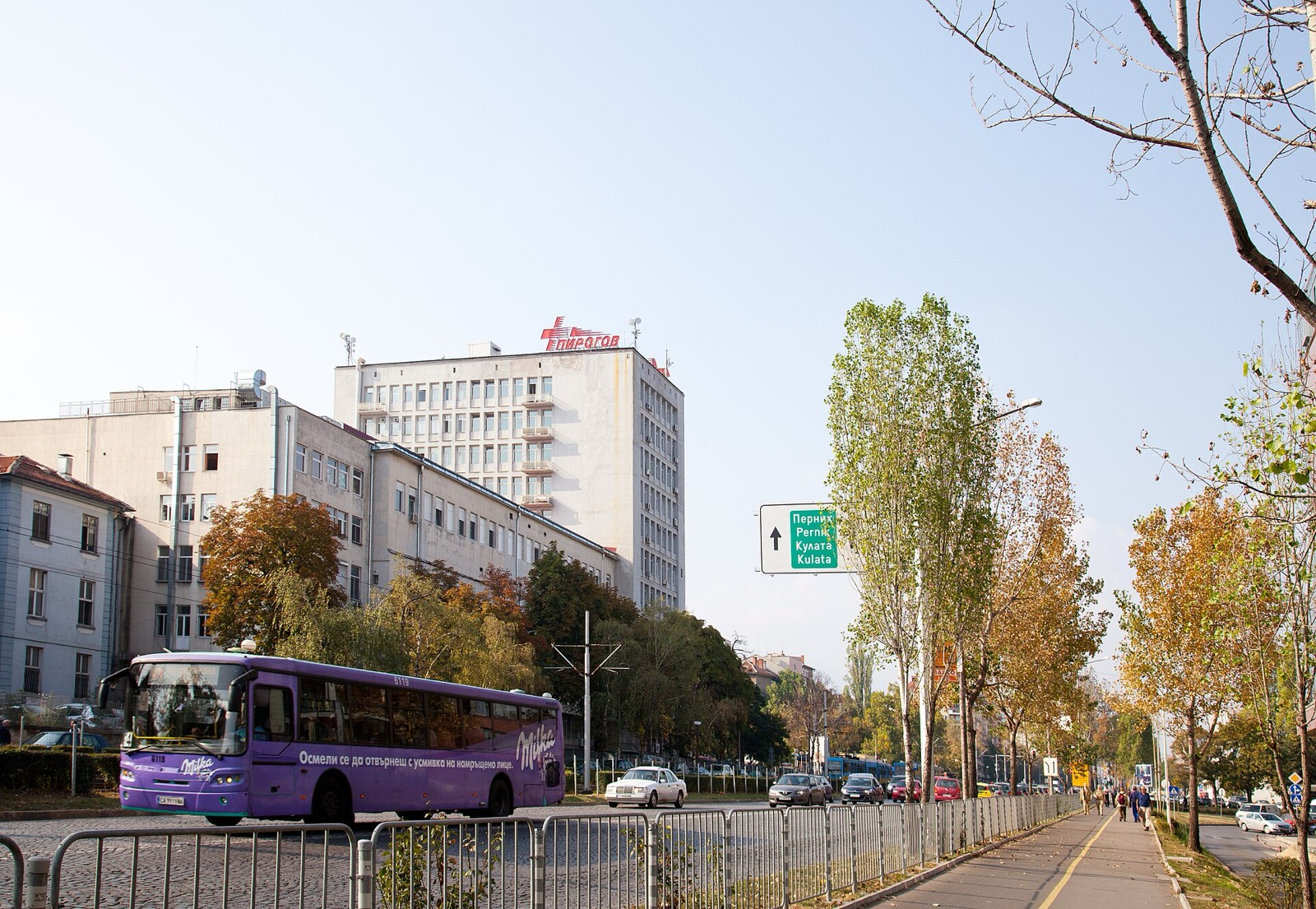
Stress and burnout among medical professionals are the focus of a round table scheduled for 27 October at the Bulgarian Industrial Association in Sofia. The announced programme brings employers, trade unions and health-sector organisations into a discussion about prevention and support. At the time of preparation, published conclusions from the meeting were not available.
The programme includes a review of workplace stress policies and observations about medical professionals’ quality of life and mental health. It does not yet provide a basis for reporting a newly agreed national measure or a confirmed percentage of Bulgarian clinicians affected by burnout.
Burnout has a specific meaning in the international classification of diseases: an occupational phenomenon arising from chronic workplace stress that has not been successfully managed. It is not classified there as a medical condition. Exhaustion, detachment or cynicism towards work and reduced professional efficacy are its three dimensions.
Work organisation is central to the wider mental-health question. Excessive workloads, understaffing, long hours, low control over tasks and inadequate support are recognised workplace risks. Measures directed only at an individual’s resilience leave those working conditions unchanged.
The useful follow-up to the Sofia meeting will be whether the discussion produces practical commitments: assessment of risks, changes to workloads and schedules, support that staff can actually access and a way to evaluate the results. Until those commitments are documented, the forum is an opportunity for action rather than evidence that a solution has already been implemented.