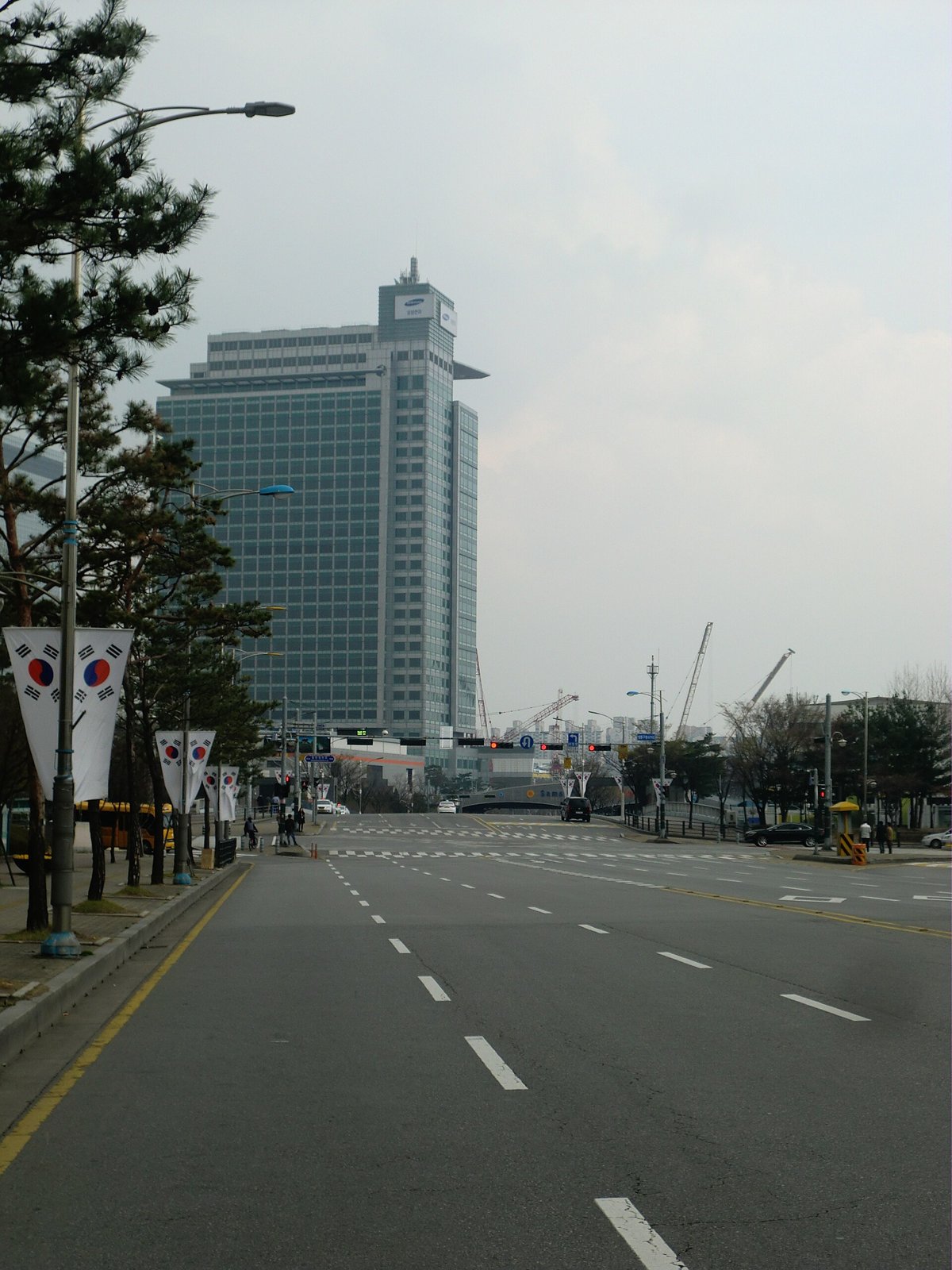
Samsung Electronics reported record third-quarter results on 29 October as demand for memory used in artificial intelligence infrastructure continued to drive its semiconductor business. The reporting period ended on 30 September, rather than in October.
Revenue reached 195.3 trillion won, up 14% from the preceding quarter, and operating profit was 107.4 trillion won. The semiconductor division generated 147.1 trillion won in revenue and 106.5 trillion won in operating profit, demonstrating how heavily the overall result depends on chips.
The picture was not uniform across the group. The Device eXperience division posted an operating loss of 0.8 trillion won. A record consolidated result therefore does not mean that every product line is enjoying the same conditions.
The company highlighted the scaling of HBM4 and demand for server solid-state drives. High-bandwidth memory and storage serve different jobs, but both are important to the infrastructure supporting AI workloads. Samsung expects AI infrastructure investment to reach another record in 2027 and says demand is running well ahead of industry supply. That is the company’s outlook, not a guaranteed market outcome.
Planned capital expenditure for 2026 is about 84.4 trillion won, including 76.8 trillion won for semiconductors. Expanding capacity can address demand over time, but investment announcements do not instantly translate into finished chips.
The central question now extends beyond the size of one quarter’s profit: how much supply can manufacturers add, and how long will customers sustain this pace of infrastructure spending? The results show the strength of the current cycle; the spending plans show the scale of the bet on its continuation.