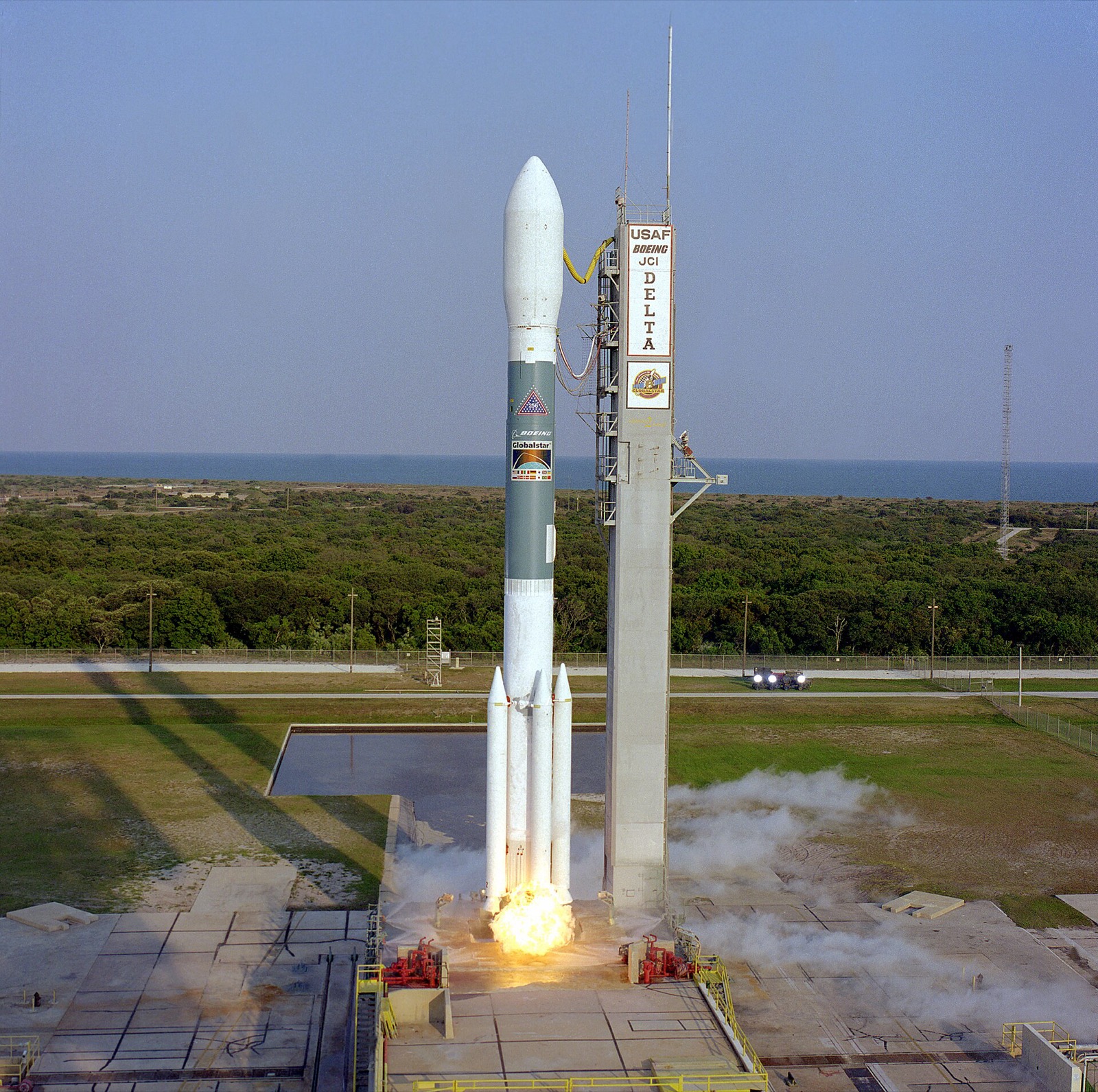
Amazon’s plan to bring satellite connectivity directly to phones has cleared a major US regulatory hurdle. The Federal Communications Commission’s Space Bureau approved the Globalstar transaction on 27 October, a decision entering the European news cycle on 28 October.
The approval covers the transfer of licences and authorisations linked to a deal the FCC describes as worth about $11.5 billion. It includes roughly 25 megahertz of internationally harmonised mobile-satellite spectrum. That spectrum and Globalstar’s existing infrastructure are central to Amazon Leo’s ambitions beyond fixed broadband terminals.
The regulator concluded that the combination could improve coverage outside terrestrial networks, emergency communications and industrial data services. Those are the anticipated benefits behind the decision, not a claim that a new universal phone service is already available.
Amazon’s April agreement envisages Globalstar becoming a wholly owned subsidiary. It also describes an agreement with Apple to support satellite features on compatible iPhone and Apple Watch models. Amazon plans to begin deploying its own next-generation direct-to-device system in 2028. Regulatory approval, transaction completion and the launch of future services remain separate milestones.
For mobile operators, satellite-to-phone links offer a way to extend coverage where conventional networks are difficult to build. For customers, the value will depend on supported devices, countries, available functions and commercial terms. The approval strengthens a potential competitor in a market shaped by Starlink and other satellite providers, but does not establish Bulgarian availability, a tariff or a replacement for ordinary mobile broadband.