Bangladesh enters November after its deadliest month for dengue in 2026. Today’s assessment of the outbreak reports 173 deaths during October. By 30 October, the annual total stood at 418 deaths and 133,367 hospital admissions. That is a dated reporting snapshot, not a count for the end of today.
The last twenty-four hours covered by that bulletin brought 1,262 new hospital admissions and three deaths. The figures indicate continuing pressure on treatment facilities. Hospital admissions are not the same as all infections nationwide, because not everyone infected requires hospital care.
Doctors report patients arriving only after serious complications have developed. Entomologists expect transmission to continue through November, with a more substantial easing potentially delayed until December. That is an expert assessment, rather than a guaranteed end date for the outbreak.
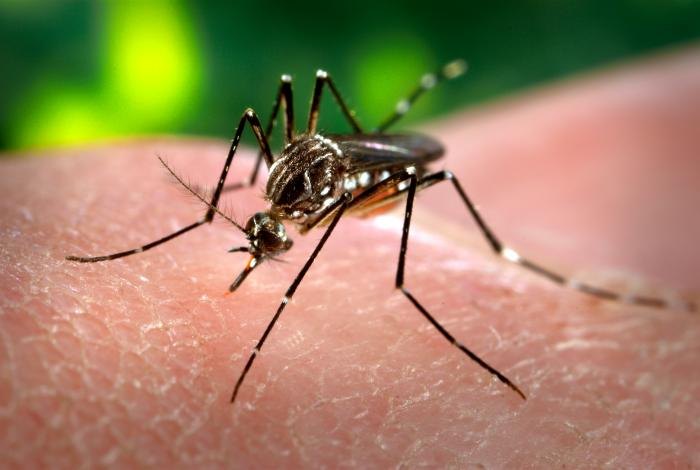
Dengue is a viral infection spread by infected mosquitoes. Many infections are mild or produce no symptoms, but some progress to severe disease. A subsequent infection with another serotype can increase the risk of complications. A falling temperature does not, by itself, establish that a patient has passed the dangerous phase.
The World Health Organization lists severe abdominal pain, persistent vomiting, bleeding and rapid breathing among warning signs requiring immediate medical attention. Reducing mosquito breeding sites and preventing bites remain important prevention measures. For Bangladesh, the immediate challenge is to combine those measures with timely treatment of severe cases, rather than assuming that the arrival of a drier month will automatically remove the risk.