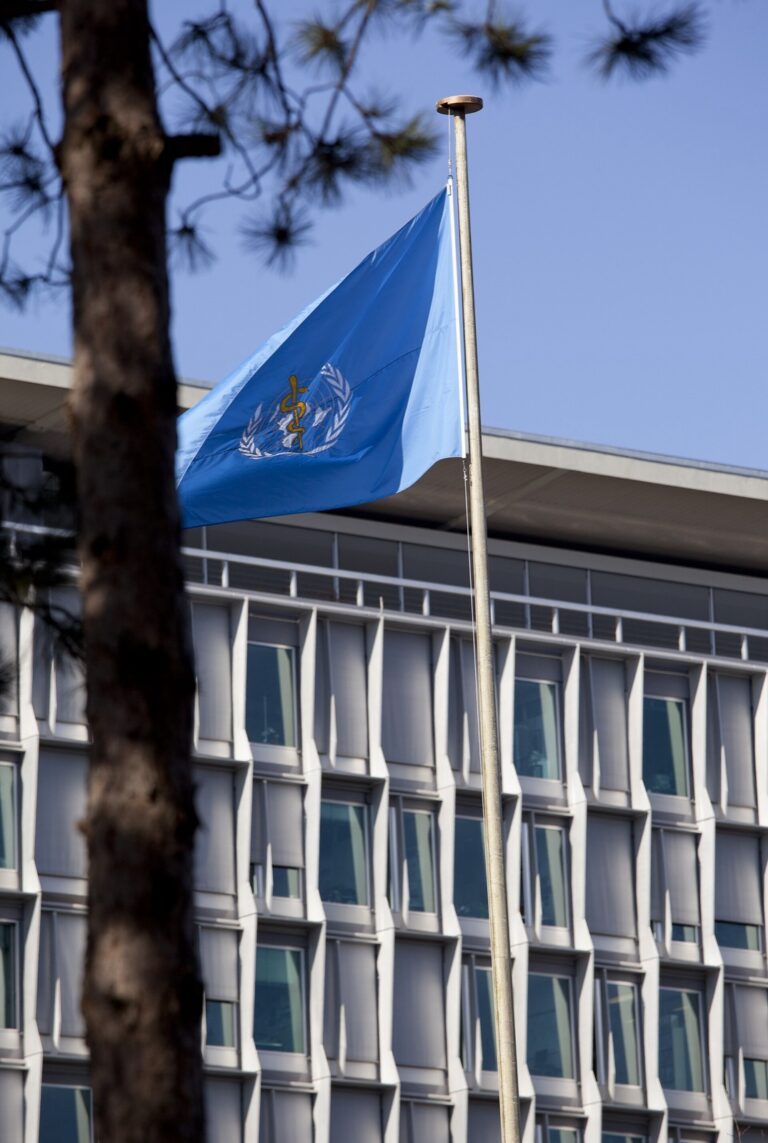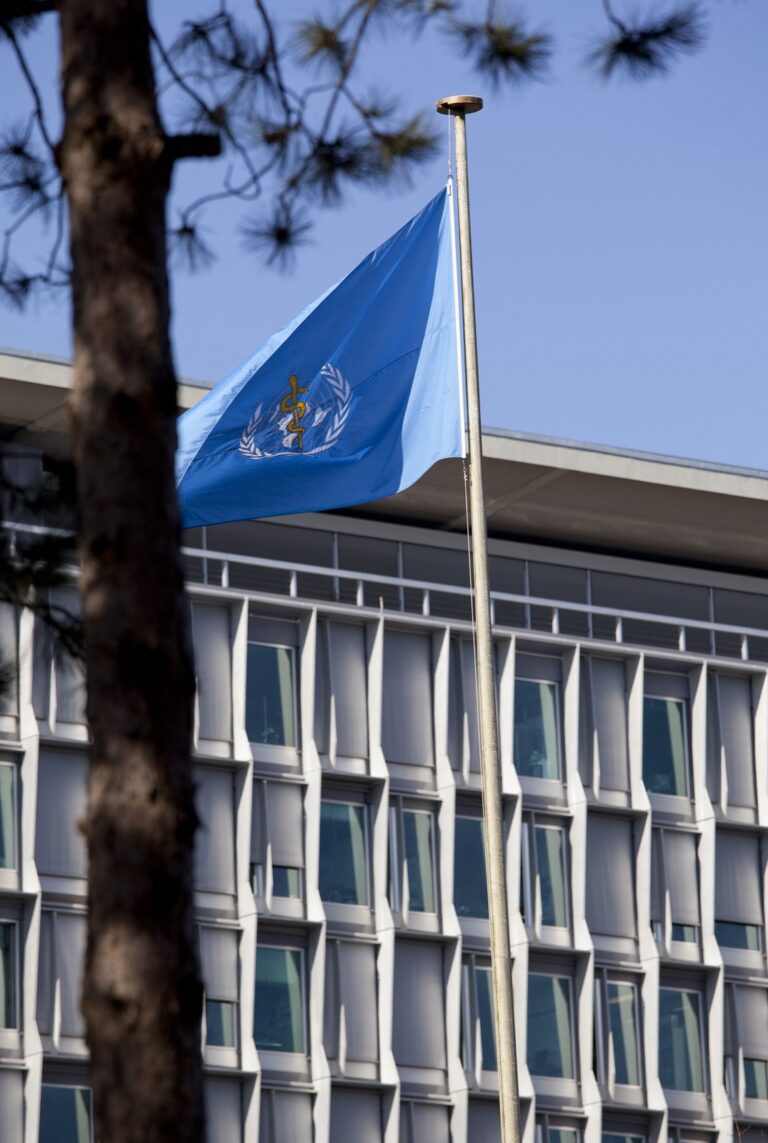
The World Health Organization has set out what future long-acting injectable medicines for tuberculosis would need to achieve, aiming to reduce the burden of taking tablets every day for months. The targets were highlighted in an update on 28 October, following publication of the underlying document on 26 October.
For preventive treatment, the profile aims for a complete course delivered as a single injection at one visit. For active TB disease, the goal is a course lasting no more than four months, with three or fewer dosing visits. Those are targets for developers, not a claim that such a regimen is already available or approved.
The distinction between prevention and treatment matters. Preventive treatment seeks to stop TB infection progressing to disease in people for whom it is indicated. Active disease requires an effective treatment regimen; a preventive injection cannot simply be assumed to treat it.
WHO wants candidates to match or exceed the safety and effectiveness of current oral regimens while using small injection volumes and avoiding dependence on a cold chain. Delivery by trained health workers close to communities is part of the goal, alongside affordable and transparent pricing.
The potential advantage is fewer daily doses for patients, but the responsibility does not disappear: health services would need to provide appointments, injections and follow-up reliably. Trial design, acceptability and access will therefore matter alongside the medicine’s duration of action.
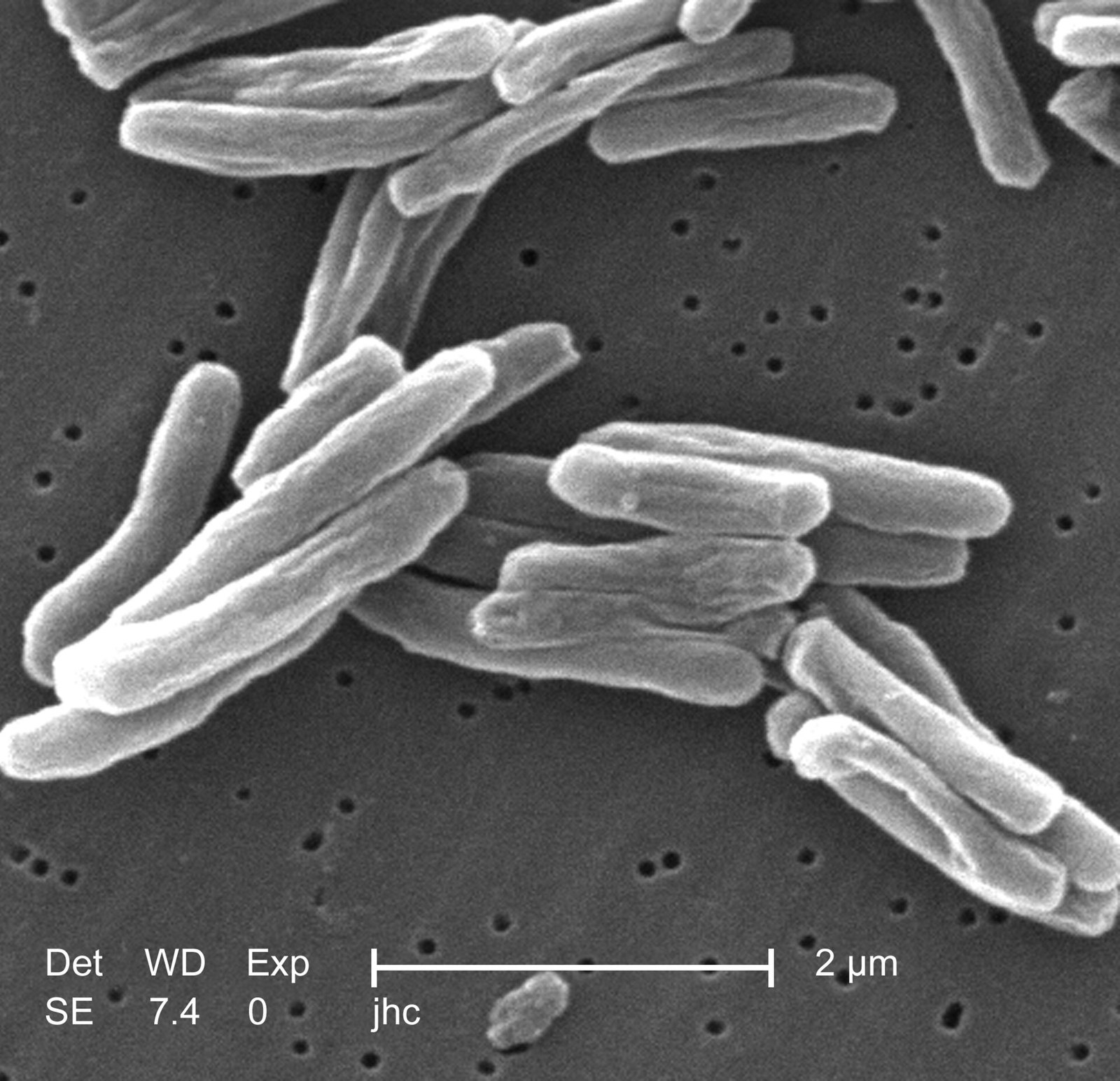
TB remains preventable and curable, yet WHO estimates that 10.7 million people fell ill and 1.23 million died from it in 2024. Those are historical global estimates, not a new count for 2026. The disease’s burden helps explain the search for easier regimens.
WHO also says work on better oral medicines should continue and patient choice should be preserved. The new profiles should guide research and development; they are not a reason for patients to stop or change an existing prescribed course.