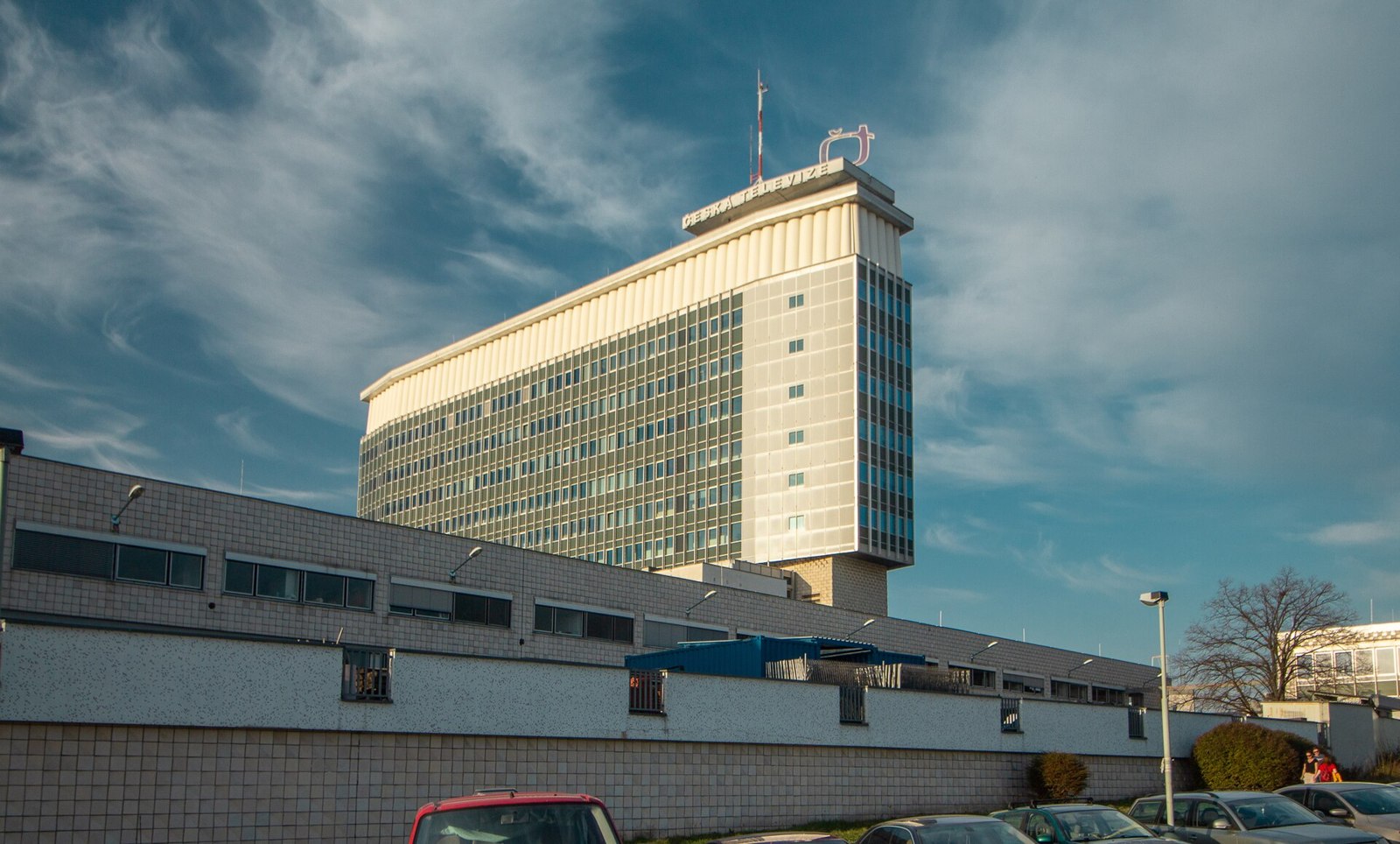
Czech public television and radio employees went on a one-day strike on 3 November against a government proposal to replace licence fees with direct state-budget funding. The dispute has narrowed programming and turned the broadcasters’ financial model into a broader argument about editorial independence.
The proposal would remove the household broadcasting charge and cut funding by about 15%. Critics argue that making annual allocations depend on political decisions would expose newsrooms to pressure and weaken their ability to provide public-service programming.
Czech Television warned viewers that several flagship programmes would not air and that news and digital services would be restricted. During the strike, television used a reduced schedule and radio broadcast music interspersed with explanations of the protest. This was limited output, not evidence that all public broadcasting had stopped.
Prime Minister Andrej Babis rejects the accusation of a takeover. He presents the change as fulfilment of a promise to reduce the financial burden on households and says amendments remain possible during further parliamentary debate. The bill has passed an initial vote, rather than completed the legislative process.
Employees, students and other supporters also organised demonstrations. Their concern is about the safeguards around funding as much as its source: a budget model and a fee model can each be assessed through the stability of resources, transparent rules and protection against interference.
The immediate question is whether the government will negotiate changes and whether legal protections can command wider support. For audiences, fewer programmes are the visible effect today. The longer-term issue is who can influence the resources on which independent reporting depends.