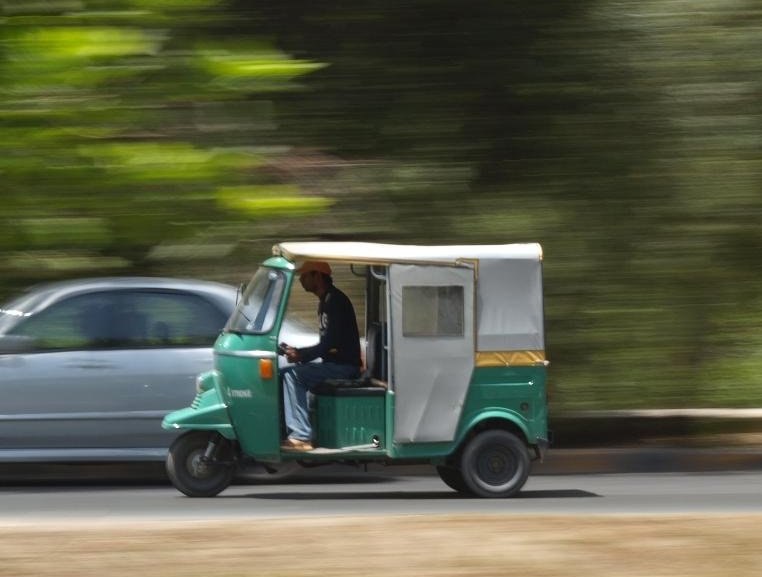
A sharp rise in liquefied petroleum gas prices is squeezing livelihoods in Pakistan, where the fuel powers many motorised rickshaws as well as household cooking. In Lahore, drivers describe longer working days and less money left for food after buying fuel and paying vehicle rental.
Traders reported a 56% jump in the open-market price of a 12-kilogram cylinder to 7,000 Pakistani rupees after two Iranian border crossings closed on 17 October. That is a reported market price, not a single official tariff applying to every customer across Pakistan.
The supply disruption has exposed dependence on imports from Iran. Pakistan’s LPG Association put imports before the closures at roughly 7,000 metric tonnes a day. Explanations for the interruption differ: provincial authorities cited security and smuggling, while Iranian statements referred to technical issues and changes in Pakistani import paperwork.
For rickshaw driver Rashid Ali, 33, daily earnings have fallen from around US$6.50 to about US$3. His family has reduced meals, while passengers resist higher fares. The pressure reaches beyond transport: when the same fuel is used for cooking, households face higher costs at home as well.
October inflation of 9.6% and a recent increase in the central bank’s interest rate to 12% add to the strain. The immediate question is whether border trade and supply can recover. Until then, small operators have little room to absorb another increase without raising fares or sacrificing household spending.