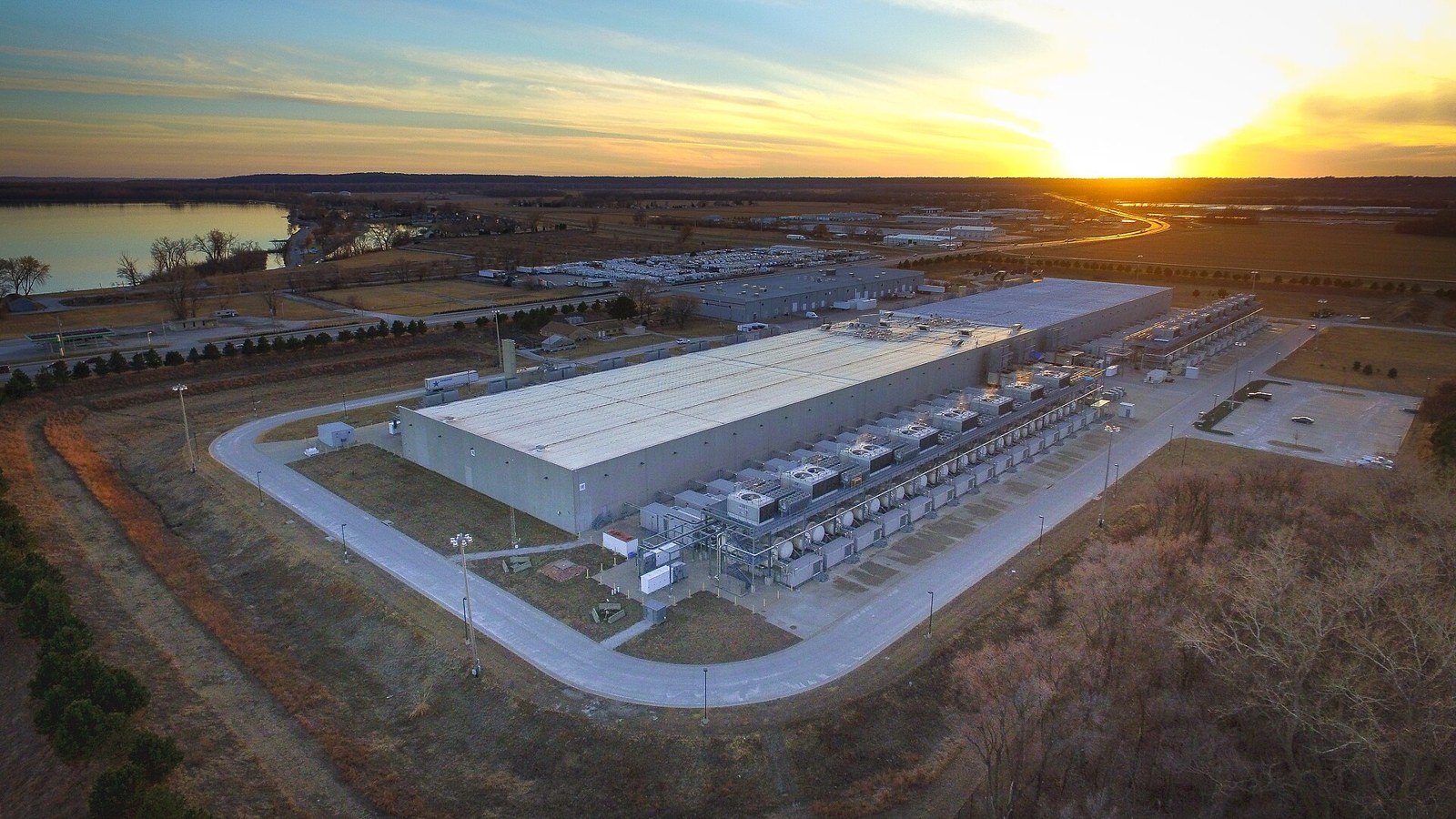
Google has acquired Crusoe’s data-centre site in southeast Wyoming, taking over a location prepared for a large computing project. The announcement on 6 November confirms a transaction involving the site, not an acquisition of Crusoe itself.
Crusoe’s role included choosing the location, securing governmental approvals and developing a power strategy with Tallgrass Energy. The company describes that pre-development work as complete. Construction and eventual operation are separate stages; the announcement does not mean a new Google facility is already serving customers there.
The power supply is part of the project
The planned energy mix combines fuel cells, grid electricity and natural-gas turbines, with a longer-term roadmap for carbon capture. A roadmap is not an operating capture system. Nor does the combination establish that the future campus will have no carbon emissions.
The wider issue is the link between AI growth and energy infrastructure. Data centres need both computing equipment and dependable electricity. The International Energy Agency’s work on energy and AI examines that relationship, including the pressure that growing demand can place on power systems.
A prepared site has its own value
For a buyer, land, approvals and an energy plan can be important even before servers arrive. This is the significance of the transaction: part of the competition for AI capacity takes place in project preparation, not only in chip purchases or model development.
The announcement leaves the operating timetable and commercial details open. Those should be assessed when the companies disclose them, rather than inferred from the transfer of the site. The next concrete tests are progress on construction, power availability and the commissioning of usable computing capacity.