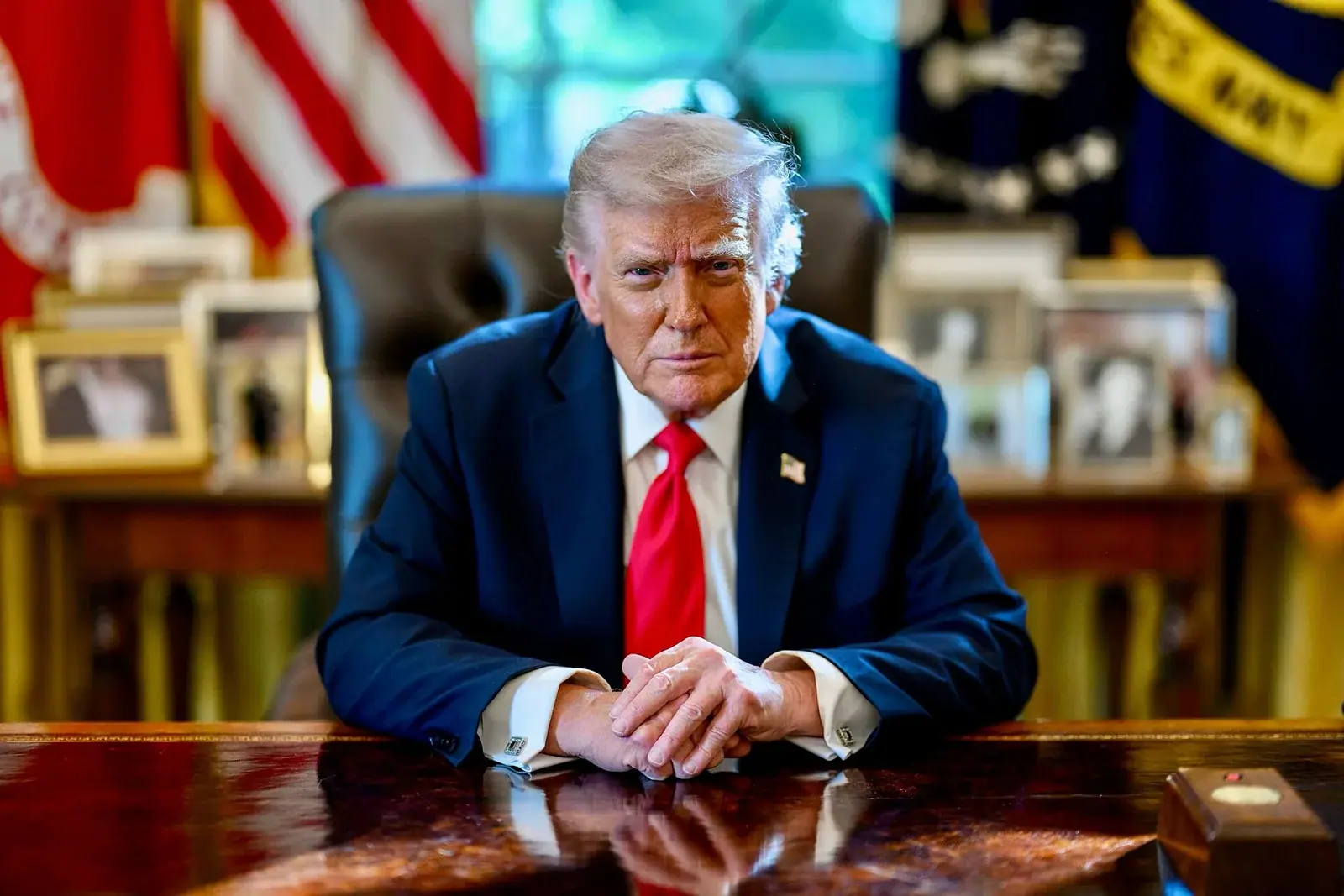
Donald Trump has waived the new sanctions and tariffs provided for by the Graham Act, under an executive order signed on 16 October. The decision gives Moscow relief from additional pressure; it does not remove the existing US sanctions framework. That distinction matters as the administration defends its diplomatic approach. [1]
What the order changes
The order addresses measures under the law signed in September, including tariffs directed at Russia and countries buying Russian energy. It preserves sanctions imposed under earlier executive orders. Its waivers continue unless the president or the designated officials take further action; the document does not set an automatic short expiry date. [1]
Washington’s explanation
Speaking in Samarkand on 19 October, Secretary of State Marco Rubio said Russia and Ukraine should focus on ending the war, Reuters reported. Washington presents keeping Russia at the negotiating table as a reason for its approach. Ukrainian President Volodymyr Zelensky has criticised the decision: the diplomatic justification is contested, rather than an agreed assessment. [2]
Talks about talks
Reuters also reported discussions about a possible meeting involving Trump, Vladimir Putin and Xi Jinping. Such discussions are not confirmation of a scheduled summit, still less a negotiated settlement. The immediate news is a change in US pressure and the messages surrounding it; the outcome of diplomacy remains open. [2]
What a waiver means — Nove.news context
A sanctions announcement can affect expectations before it changes a shipment or a contract. For readers, the useful questions are which legal measures are suspended, which remain enforceable and who can change the decision. Describing this as the end of sanctions would obscure precisely those distinctions and overstate the practical change.
What comes next
Watch for a formal change to the waivers and independently confirmed diplomatic arrangements. A promised negotiating opportunity should be assessed against concrete steps, rather than treated as evidence that an agreement is close.