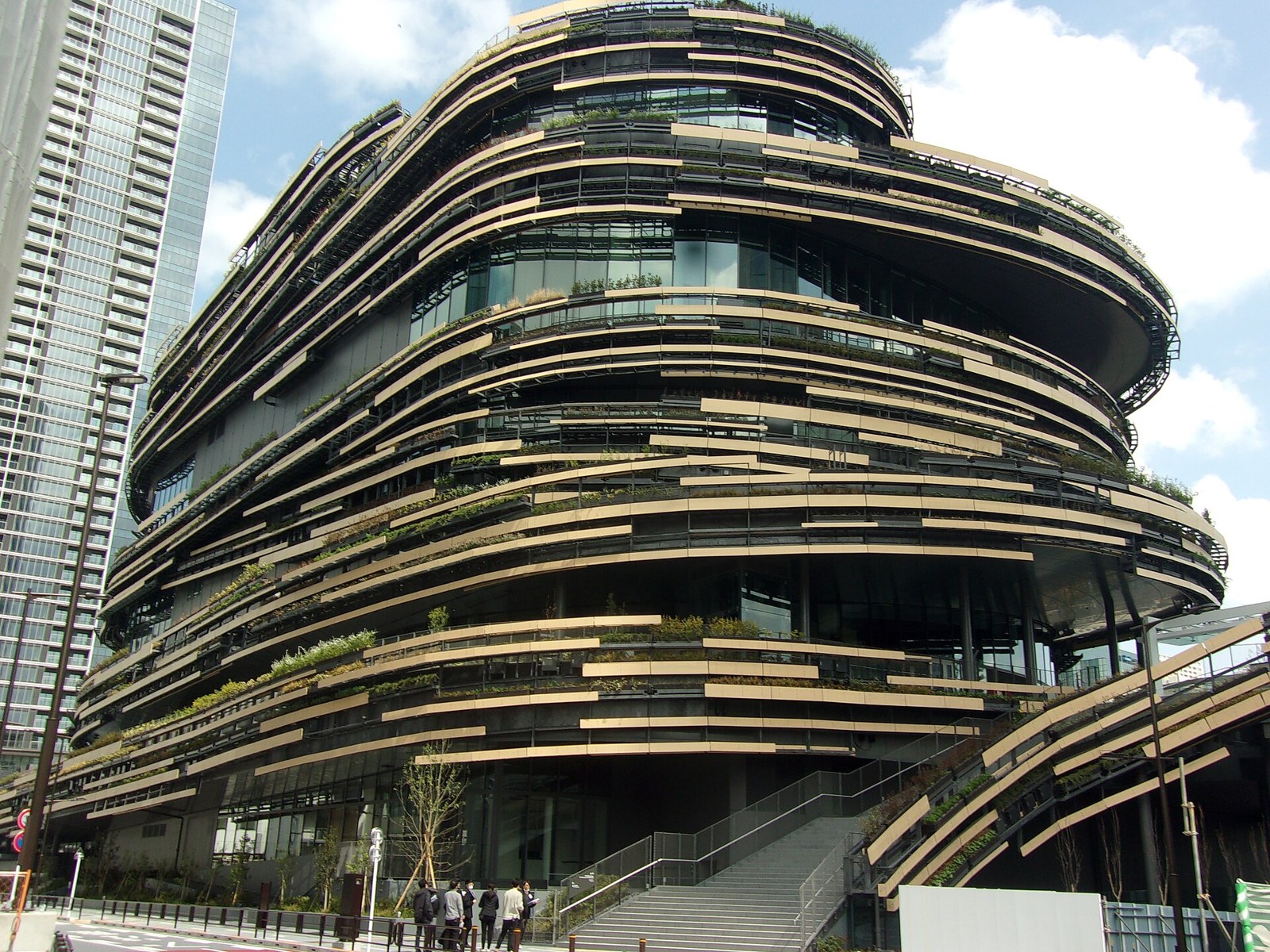
A museum exhibition usually asks visitors to look. Feel the Sound asks them to listen with more than their ears. The immersive exhibition opened at Tokyo’s MoN Takanawa on 20 November and runs until 22 March 2027.
Created with London’s Barbican Centre, the Japanese presentation brings together sound, vibration, music and technology in installations intended to be experienced through the whole body. The visitor is part of the encounter, rather than simply someone looking at an object behind glass.
Sound leaves the headphones
The premise changes the role of the room. Sound can occupy a space, move through it and be felt as vibration. An exhibition built around that experience makes the distance between an artwork and its audience less fixed than it is in front of a framed picture.
That does not mean every visitor will perceive the same thing. Position, movement and attention can change the experience. The interest lies partly in discovering that listening is an active relationship with the space, not just the arrival of an audio signal.
A different reason to enter a museum
MoN Takanawa presents the exhibition as part of its programme around sound as culture. The setting offers a meeting point for art and technical experimentation without requiring visitors to begin with an understanding of the equipment behind the work.
There are practical limits to immersion. The museum warns that some areas are dark and may contain strong light and loud sound. Those conditions matter for visitors who are sensitive to sensory stimulation and should be checked before planning a visit.
The exhibition’s playful proposition is that a body can become a listening instrument. In a city full of sounds competing for attention, the museum offers a different instruction: step inside, slow down and notice what the sound does before deciding what it means.