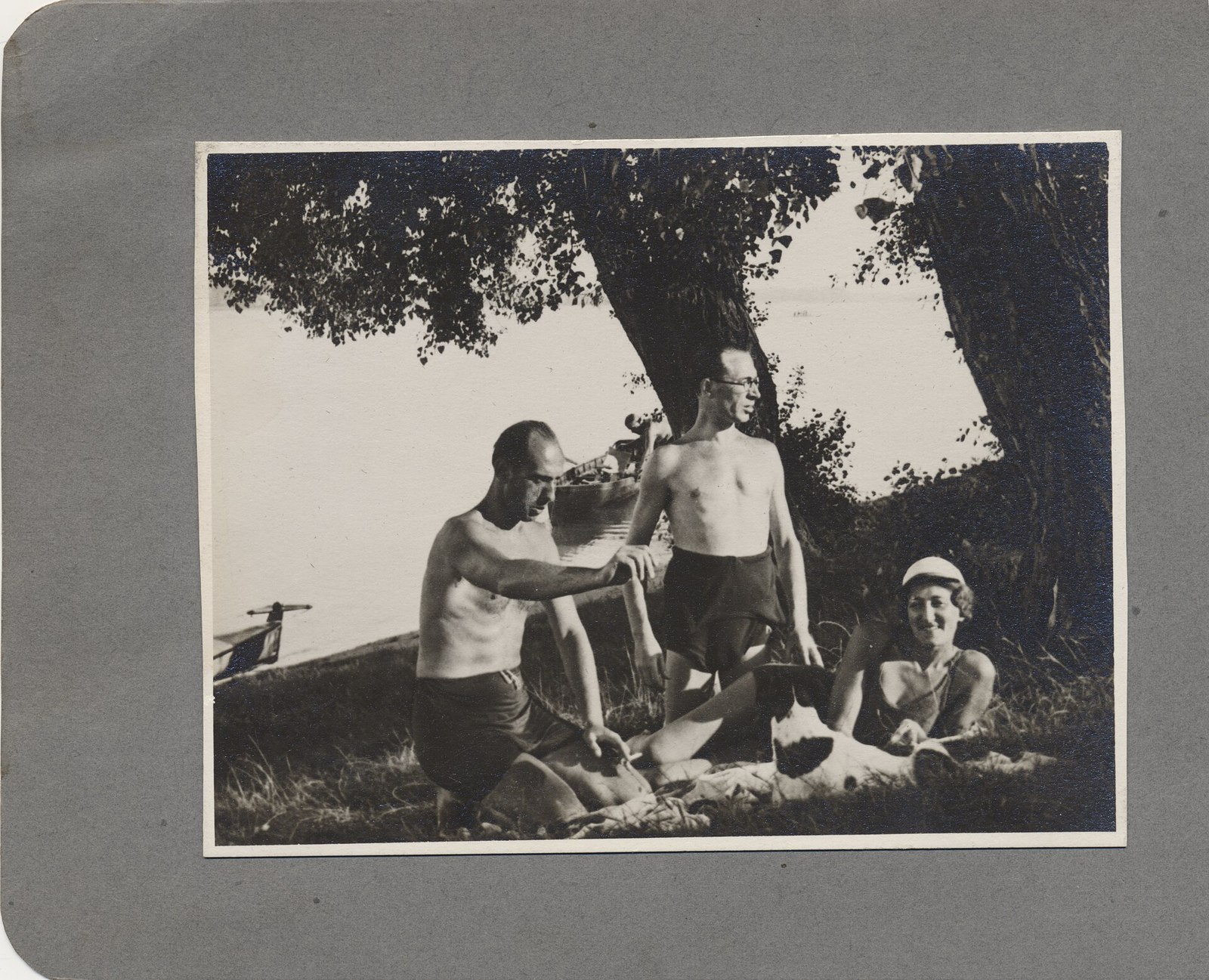
A childhood scene without a photograph can now become an image — provided someone can describe it. The Memory Radio Station, visiting the European Parliament in Brussels this November, invites people to turn personal recollections into pictures made with generative AI.
The initiative draws on Synthetic Memories, a project by Barcelona-based Domestic Data Streamers. It begins with the person's account, rather than an archive proving exactly what a scene looked like. The result is a visual interpretation of a memory, not a recovered photograph.
An album for moments the camera missed
The appeal lies in an ordinary gap: people remember experiences for which no picture survives. A generated image can offer a starting point for a conversation about those moments. It cannot establish the colour of a missing object or the position of everyone in a room as historical fact.
The travelling exhibition is a partnership with pharmaceutical company Eli Lilly. That involvement belongs in the account of the project, alongside its creative ambition. A public-awareness initiative and evidence of a medical benefit are different things.
The creators have also explored the approach in work involving people with memory loss. That does not make the exhibition a cure for dementia, a diagnostic test or proof that an image restores a lost memory. Its stated role is to support recollection and conversation.
The person should remain in the picture
The ethical question is who controls the representation. A participant's story can contain uncertainty, intimacy and details about other people. Turning it into a persuasive image requires care about consent and about how the result will later be presented.
There is something quietly provocative in the idea: a machine supplies the picture, but the meaning still comes from a person. The interesting part is not whether AI can fill every blank. It is whether the new image helps a story be told without pretending the blank never existed.