What GM announced
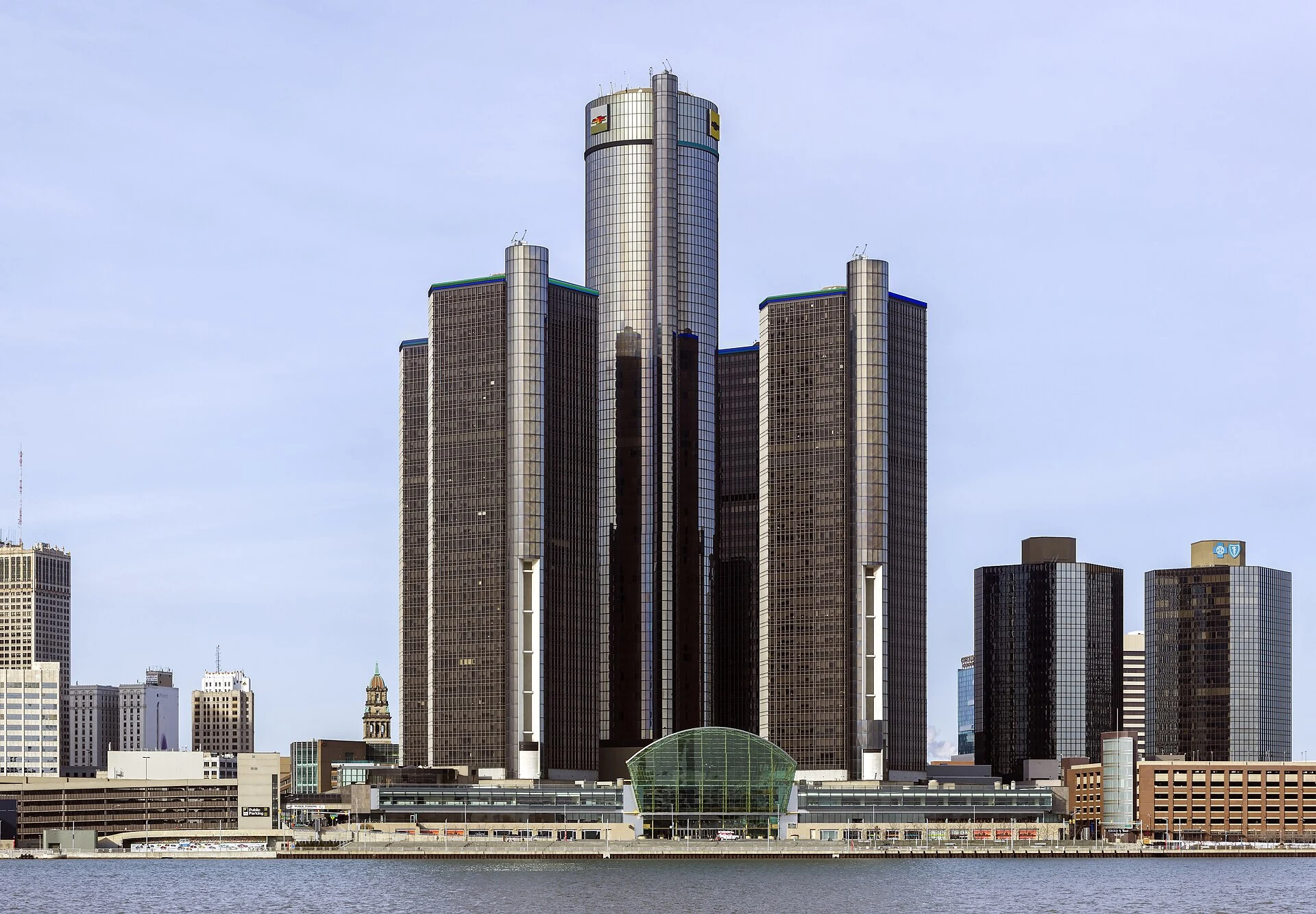
General Motors reported $50.0 billion in third-quarter revenue, $3.3 billion in net income attributable to shareholders and $4.1 billion in adjusted EBIT. On 20 October, its board also approved a new $20 billion multi-year share repurchase authorisation, with no expiry date and discretion to suspend or end it. [1]
An authorisation is not a completed purchase
Nove.news context: a buyback programme creates capacity to buy shares. It does not establish the dates, prices or final amount of future purchases. Treating the headline limit as an immediate payment exaggerates what has happened. The subsequent cash-flow statement and share count are better places to assess actual execution.
Keep the profit measures separate
Net income and adjusted EBIT measure different things. The latter removes interest, tax and specified adjustments, so it should not be substituted for the statutory bottom line. A useful reading compares each measure with its own prior-period equivalent and examines the reconciliation, rather than choosing whichever number produces the strongest headline.
The guidance change is narrower
GM narrowed its full-year adjusted EBIT range to $14.5 billion–$15.5 billion, from $14 billion–$16 billion. That reduces the range around the same midpoint; it is not a straightforward increase in the midpoint forecast. The wording matters when assessing how much management’s central expectation has actually moved. [1]
The allocation question
Returning capital and funding the next generation of products draw on the same business’s resources. The useful question is how the company balances those commitments over time. Future disclosures should show purchases made, cash generated and investment delivered. An approval alone does not answer whether that balance will prove durable.