People with less consistent sleep-wake schedules reported more severe symptoms of depression, anxiety and loneliness in a study published in Scientific Reports on 12 November. The analysis used wearable-device data from 22,894 adults in the TemPredict cohort.
The findings concern an association. They do not establish that an irregular schedule causes a mental health disorder or that changing bedtime alone will treat one.
Measuring consistency rather than hours alone
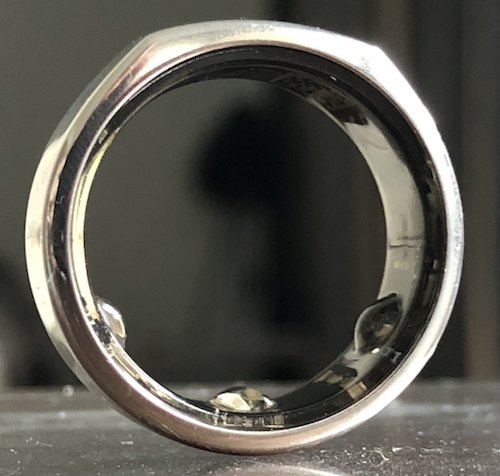
Researchers calculated a Sleep Regularity Index from Oura Ring data, examining both a typical seven-day period and the available longer monitoring record. The index measures how consistently a person is asleep or awake at corresponding times on different days.
Lower regularity was associated with greater symptom severity across the analyses. Depression, anxiety and loneliness were assessed through participants’ self-reports rather than a new clinical diagnosis made by the study team.
The work adds timing consistency to a field often focused on sleep duration. A person’s total hours of sleep and the regularity of those hours describe different aspects of the same routine.
Important limits on what follows
Although the data came from a cohort monitored over time, the reported association analyses were cross-sectional and could not establish which came first. Mental health symptoms may disrupt sleep, irregular sleep may contribute to difficulties, or both processes may operate together.
Participants were mainly wearable users from North America and Europe, and the analysis excluded shift workers. That limits how readily the findings can be generalised to every population or working pattern.
The commercial wearable was not a medical diagnostic device, and the authors identify additional measurement and confounding limits. Future intervention studies are needed to test whether improving regularity improves mental health.
The useful development is a better-defined research question about sleep timing. It is not a new diagnostic test or proof of a simple cure for depression or anxiety.