Apple has detailed a security architecture designed to process sensitive camera and microphone data separately from the main operating system. Its technical publication on 12 November explains how Secure Exclaves isolate background sensing while controlling what information can leave that protected environment.
The design addresses a difficult distinction: a device may need to detect a voice command or recognise an enrolled person without making a continuous recording available to applications.
Sensing is different from recording
In ambient mode, the protected environment reduces the sensor stream to limited information, such as whether a trigger was detected. Raw data is intended to remain inside the isolation boundary and be discarded after processing.
In active mode, fuller sensor access becomes possible. A separate controller checks that the user-facing indicator is visible before allowing that data to flow to the main system.
The architecture combines protected memory, restricted communication between components and a specialised operating environment. Apple also describes additional checks for on-screen indicator dots, designed to prevent the main operating system from obscuring the signal that a camera or microphone is active.
A design explanation, not a blanket guarantee
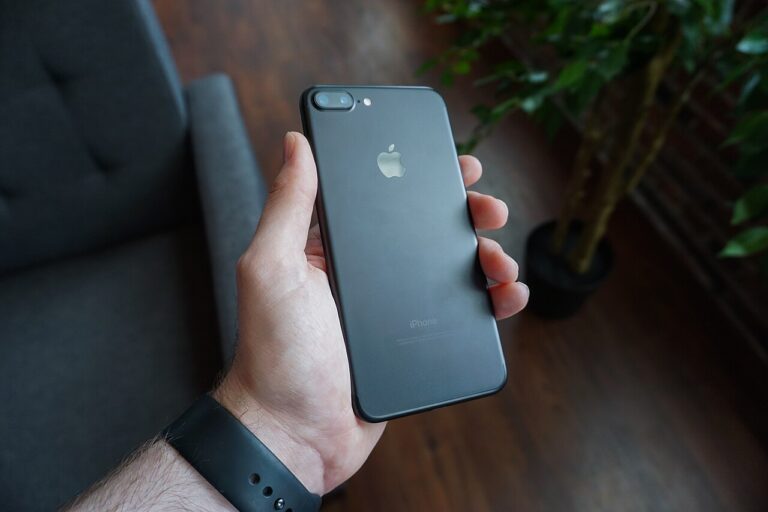
The publication explains protections for supported devices and features, including voice activation. It is not an announcement that every older iPhone has received the same hardware architecture through a software update.
The practical question is where sensitive information is allowed to travel. Moving processing behind a narrower interface can reduce exposure, but the company’s security claims remain claims about a particular design, rather than proof that every possible attack has been eliminated. The technical detail provides researchers with a clearer basis for assessing those boundaries.