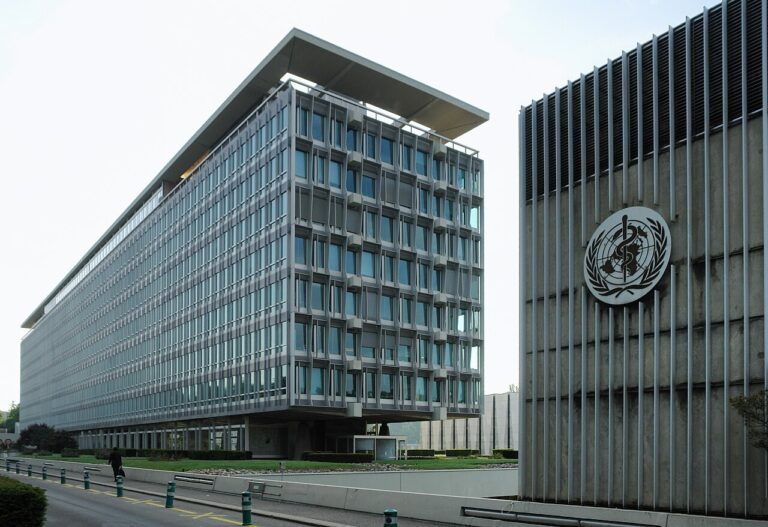
The World Health Organization has issued its first guidelines on diagnosing and managing type 1 diabetes in adults. Published on 14 November, they address care across different settings, including places with limited resources and humanitarian emergencies.
The disease is often associated with childhood, but adults also live with it and receive new diagnoses. Unlike a temporary rise in blood glucose, type 1 diabetes requires continuing access to insulin and monitoring.
Access is part of treatment
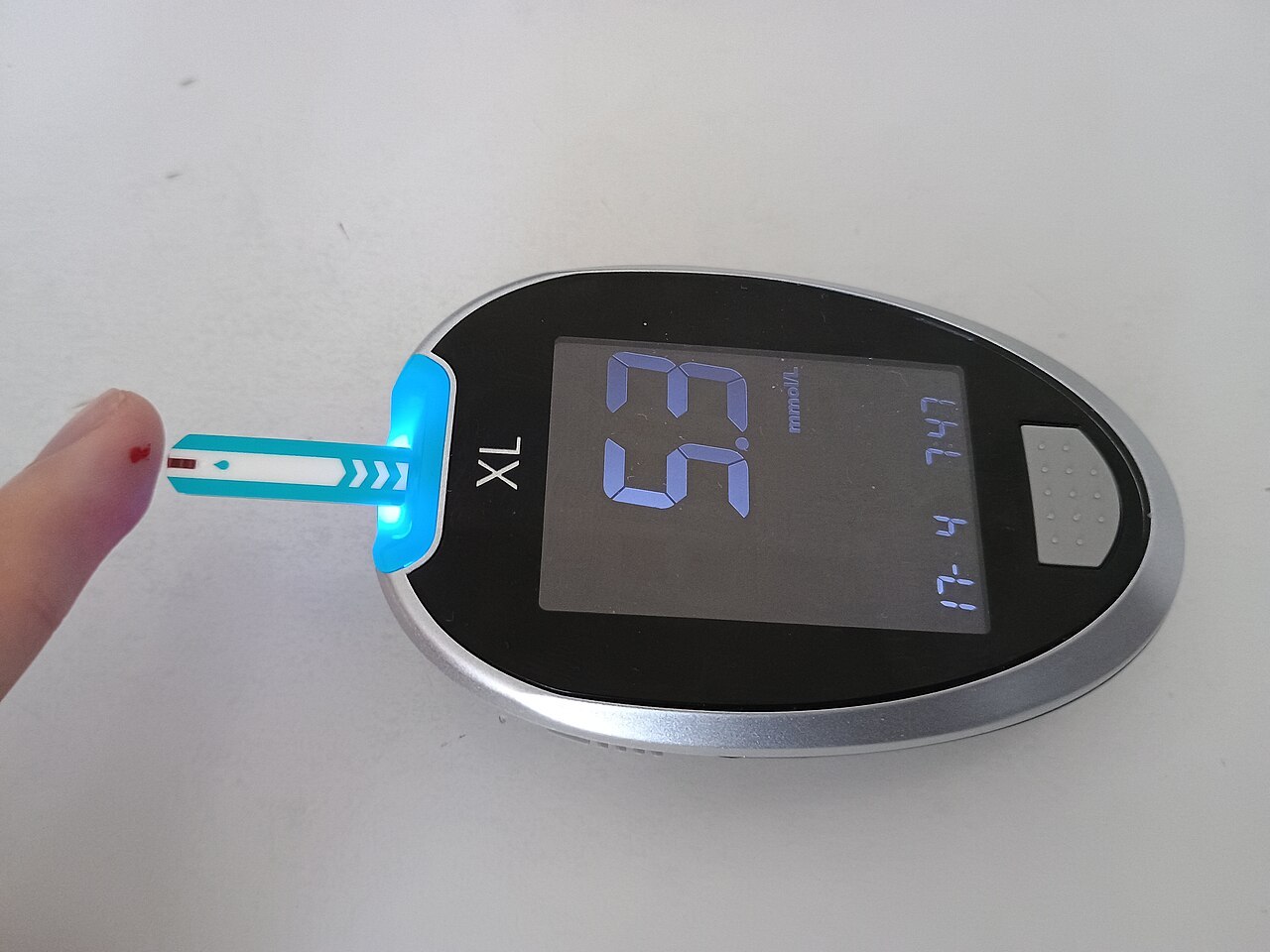
The recommendations place affordable insulin and regular glucose checks at the centre of care. Their relevance extends beyond prescribing a medicine: supplies, testing and continuity of services determine whether treatment can be followed safely.
A person who loses access to insulin during displacement or a service disruption faces a different practical challenge from someone attending a well-equipped clinic. Guidance designed for multiple settings has to account for both.
Adults and children need distinct guidance
This publication concerns adults and is separate from the recently reported childhood recommendations. It does not announce a cure, a new drug approval or a universal change to every patient’s prescribed regimen.
Individual treatment still depends on clinical assessment. General public-health guidance should not be turned into instructions to change insulin doses without the team responsible for the person’s care.
The policy test is implementation: whether health systems can make reliable supplies and monitoring available beyond specialist centres. The date of this announcement is 14 November; its continuing relevance lies in the gap between established treatment and the ability of patients to obtain it consistently.