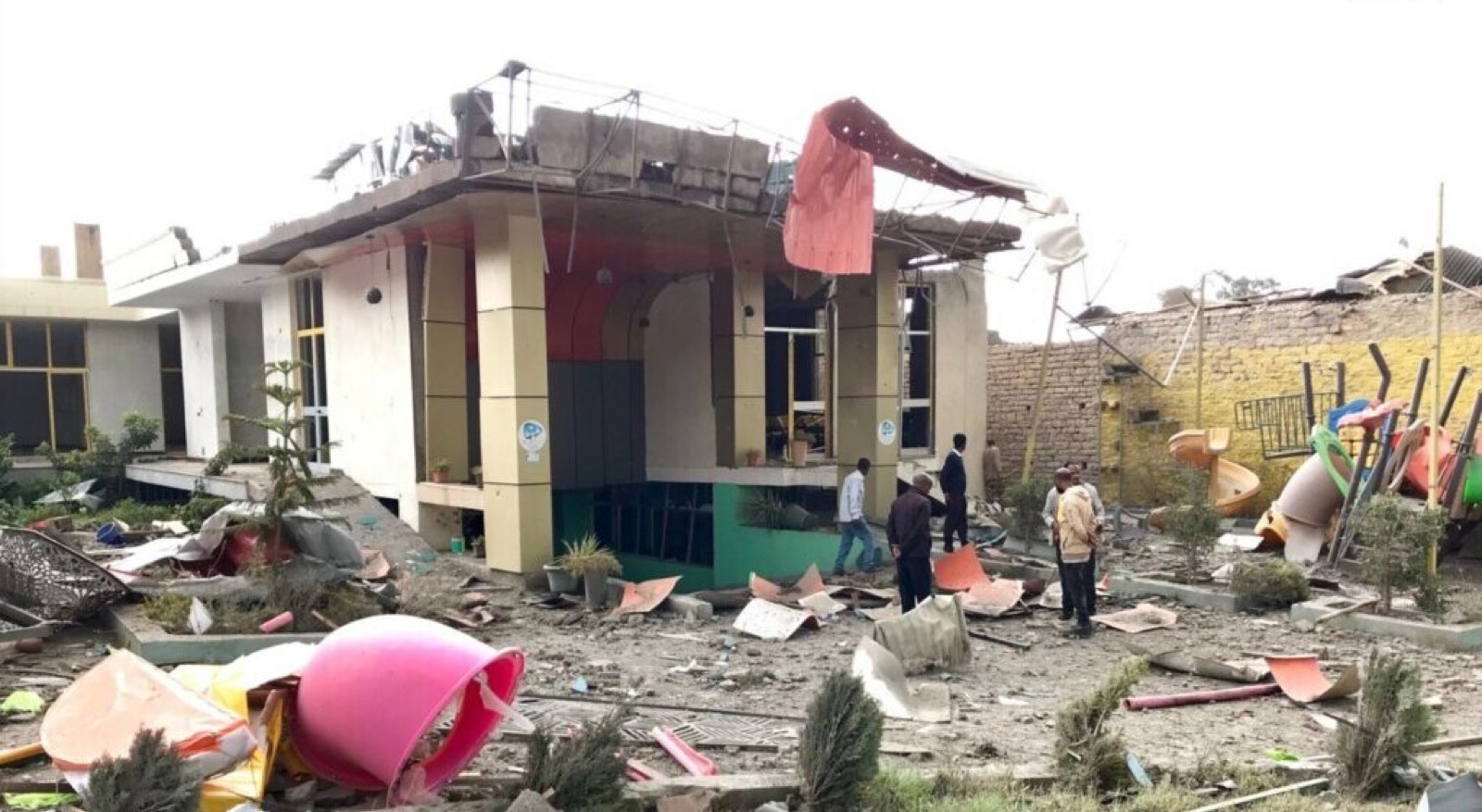
Health services in northern Ethiopia are facing a deepening emergency as violence restricts access to treatment and medical supplies. The WHO director-general warned on Monday that attacks affecting civilians were pushing an already fragile system closer to collapse. No complete casualty count or identification of the perpetrators accompanied that warning.
The immediate pressures include shortages of health workers, medicines and equipment, limited ambulance services and insecurity on delivery routes. For communities already displaced by conflict, a hospital that remains open may still be difficult to reach or unable to provide the treatment patients need.
The emergency response extends across Afar, Amhara and Tigray. WHO and its partners are supporting health facilities and mobile health and nutrition teams, combining essential treatment with disease surveillance and outbreak-response work. Mobile services are particularly important where displacement and insecurity interrupt access to fixed facilities.
The care being supported includes maternal and reproductive health, primary care and treatment of both infectious and noncommunicable diseases. These needs continue while fighting disrupts daily life; interrupted routine services can deepen the health consequences beyond the immediate injuries caused by violence.
Medical supplies and mobile teams can sustain services, but their effectiveness depends on access and reliable funding. The central challenge is to keep patients connected to care while protecting health workers and delivery routes. The latest warning describes that widening risk, rather than a confirmed closure of every hospital in the affected regions.