British retail sales volumes rose 0.7% in October, reversing a revised 0.6% fall in September. Over the three months to October, the increase was a more modest 0.4%. The figures measure the quantity of goods bought, rather than simply money spent at higher prices.
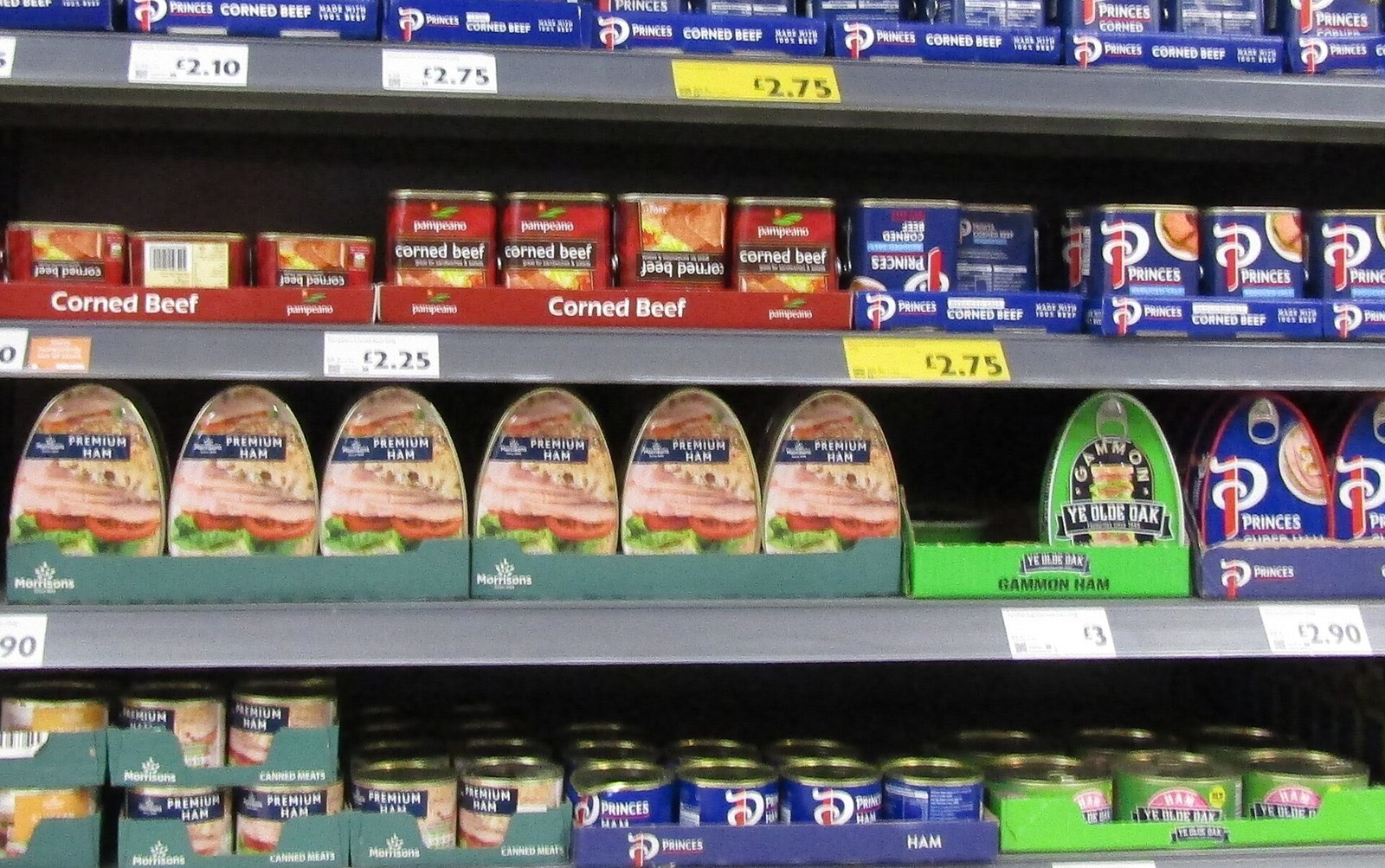
Part of the monthly lift came from purchases of long-life food, including tinned products and UHT milk, after the government's Be Ready campaign. Supermarkets reported a rise in demand for these items. Stocking a cupboard and feeling wealthier are not necessarily the same economic signal.
A fuller basket can mean several things
Households can buy more because income has improved, a price is attractive or they want supplies in reserve. The till records the purchase in each case. Interpreting the result requires looking at what was bought and whether the pattern continues.
Buying ahead can also move spending from one month into another. An extra purchase today may mean less need to buy the same item next month. That is why a strong monthly number should be considered alongside the smoother three-month comparison.
The increase was not confined to food: clothing shops and art galleries also contributed to the monthly rise. But the overall picture remained uneven. Retailing is a collection of different businesses, and an improvement in one category does not automatically describe every high street.
Volumes matter more than a bigger receipt
The distinction between sales value and volume is central. A larger receipt can reflect higher prices without a larger basket. A volume measure aims to separate those effects and show how the amount purchased has changed.
October's rebound is real in that statistical sense. What remains less clear is how much signals durable demand and how much reflects the timing of purchases. The next readings will show whether households continue adding to their baskets once the emergency cupboard has been filled.