Attacks on Ukraine’s energy system and shipping in the Black Sea are increasing risks to civilians and food supplies, UN officials warned at a Security Council meeting on 23 November.
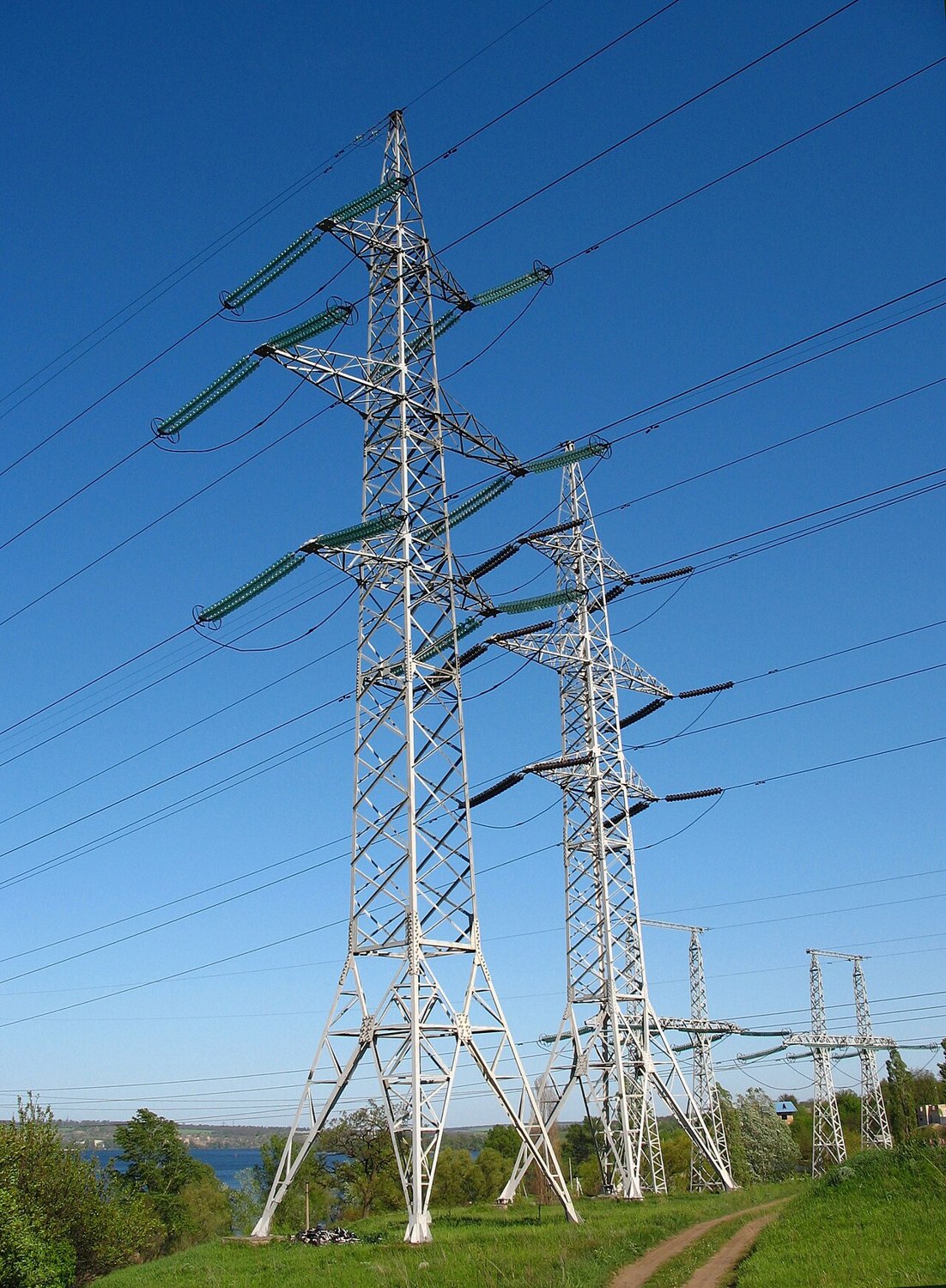
The damage extends beyond electricity generation to transmission networks, water and heating systems, railways, warehouses and agricultural facilities. Disruption to these services compounds the effects of the war far from the front line.
The electricity network is a civilian lifeline
Under-Secretary-General Rosemary DiCarlo described families facing another winter without reliable electricity, water or heat. Damage to transmission networks can interrupt supply even where power stations remain able to generate electricity.
The briefing also addressed attacks affecting civilian navigation in the Black Sea. Disrupted shipping can delay grain and other food exports, with consequences for countries dependent on imports.
A grain proposal is still a proposal
World Food Programme Executive Director Luke Lindberg called for renewed efforts to protect humanitarian grain deliveries and proposed an approach resembling the UN-brokered Black Sea arrangement of 2022–23. Russia objected to the proposal.
No new grain agreement was announced at the meeting. The discussion highlighted the distance between identifying a humanitarian need and securing the political and security arrangements required to keep routes open.
The immediate stakes are linked: functioning infrastructure inside Ukraine and safe export routes beyond it both affect access to essential supplies.