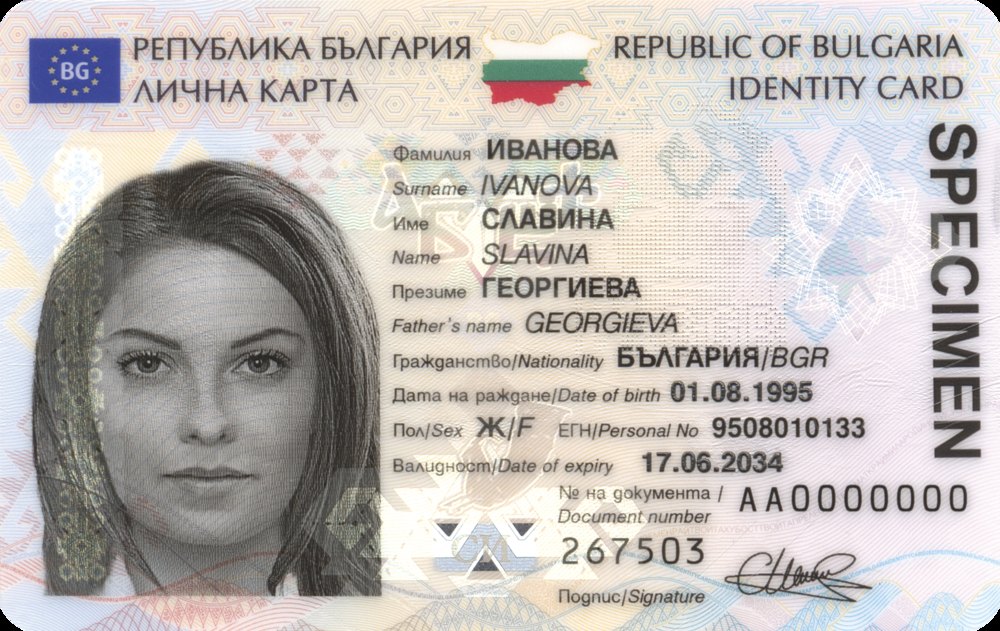
Bulgaria’s proposed European Digital Identity Wallet law is on the agenda of the parliamentary innovation and digital transformation committee on 26 November. The first-reading discussion follows the government’s approval of the draft on 18 November.
The planned national service, BG Wallet, is intended to let people prove their identity, store digital documents and share the data needed by participating institutions and companies in Bulgaria and across the EU.
Documents in a phone, control over sharing
The wallet is designed around the European digital identity framework. Its practical value will depend on which documents can be issued digitally and which services accept them. A national app and a functioning network of issuers and service providers are separate parts of that system.
For citizens, the change could reduce repeated exchanges of document copies. For businesses, it could make remote customer identification and digital transactions easier. These are intended uses, rather than confirmation that every service is already available.
A legislative step, not a completed rollout
A committee’s first reading does not enact a law. Parliamentary adoption, implementation and the gradual introduction of services remain distinct stages.
The official project website still labels the download option as forthcoming. The parliamentary debate therefore concerns the legal basis for the wallet, rather than an announcement that phones have already replaced physical identity cards.