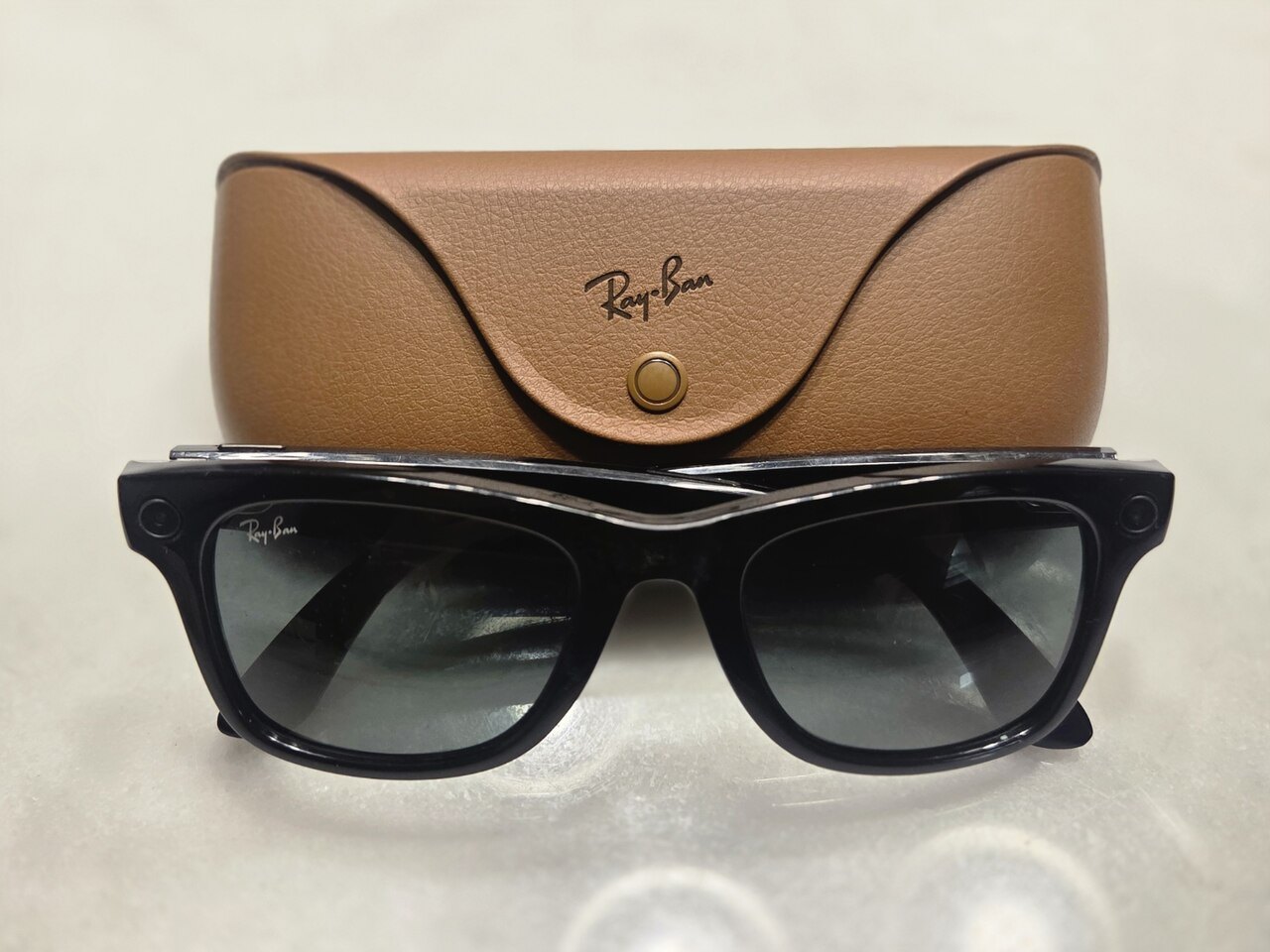
Meta’s camera glasses have become the subject of two jointly heard urgent civil cases in Amsterdam. The hearing on 26 November pits consumer and digital-rights organisations against companies in the Meta group over recordings of people who may not know they are being filmed.
Consumentenbond, Offlimits and The Firewall are seeking changes to the product and its handling of personal data. Their demands include restrictions on offering the glasses in the Netherlands and on processing recordings. These are requests to the court, not an announced sales ban.
A camera that looks like ordinary eyewear
The dispute goes beyond the person who buys the device. A camera worn at eye level can record colleagues, passers-by or people in a private setting, raising questions about notice, consent and what happens to the resulting material.
The consumer association wants safeguards and default settings brought into line with privacy law. Its published campaign also recognises that camera glasses can assist blind and partially sighted people, making accessibility part of the debate over possible restrictions.
Meta disputes responsibility for misuse
Meta’s position at the hearing was that a supplier should not be held responsible for unlawful use by individual wearers. It also argued that a prohibition would affect the many customers using the glasses for legitimate purposes.
That defence leaves a central question for the court: where does the wearer’s responsibility end and the manufacturer’s duty to build safeguards begin? The organisations’ allegations remain contested. No final ruling imposing a Dutch sales ban was confirmed in the material checked for this report.
The cases reflect a wider tension around wearable cameras: making recording easier for one person can make it harder for everyone around them to know when they are on camera.