More than 800 participants from over 100 countries are gathering in Addis Ababa from 3 to 5 November to discuss how emergency medical teams can deliver timely, reliable care when health services are overwhelmed. The seventh global meeting of these teams is the first to be held in the World Health Organization’s African Region.
Emergency medical teams bring together trained health professionals and equipment that can be deployed during outbreaks, conflicts and other emergencies. They work in support of the affected country’s health system and under national coordination. The central issue is not simply sending people abroad, but ensuring that assistance matches local needs and agreed quality standards.
The programme focuses on sustainable financing, operational readiness, cooperation and the development of national teams. Ethiopia received WHO international classification for its national team in September after assessment of clinical services, logistics and readiness. Across the African Region, 30 countries are developing national capacities under a regional framework for 2026–2030.
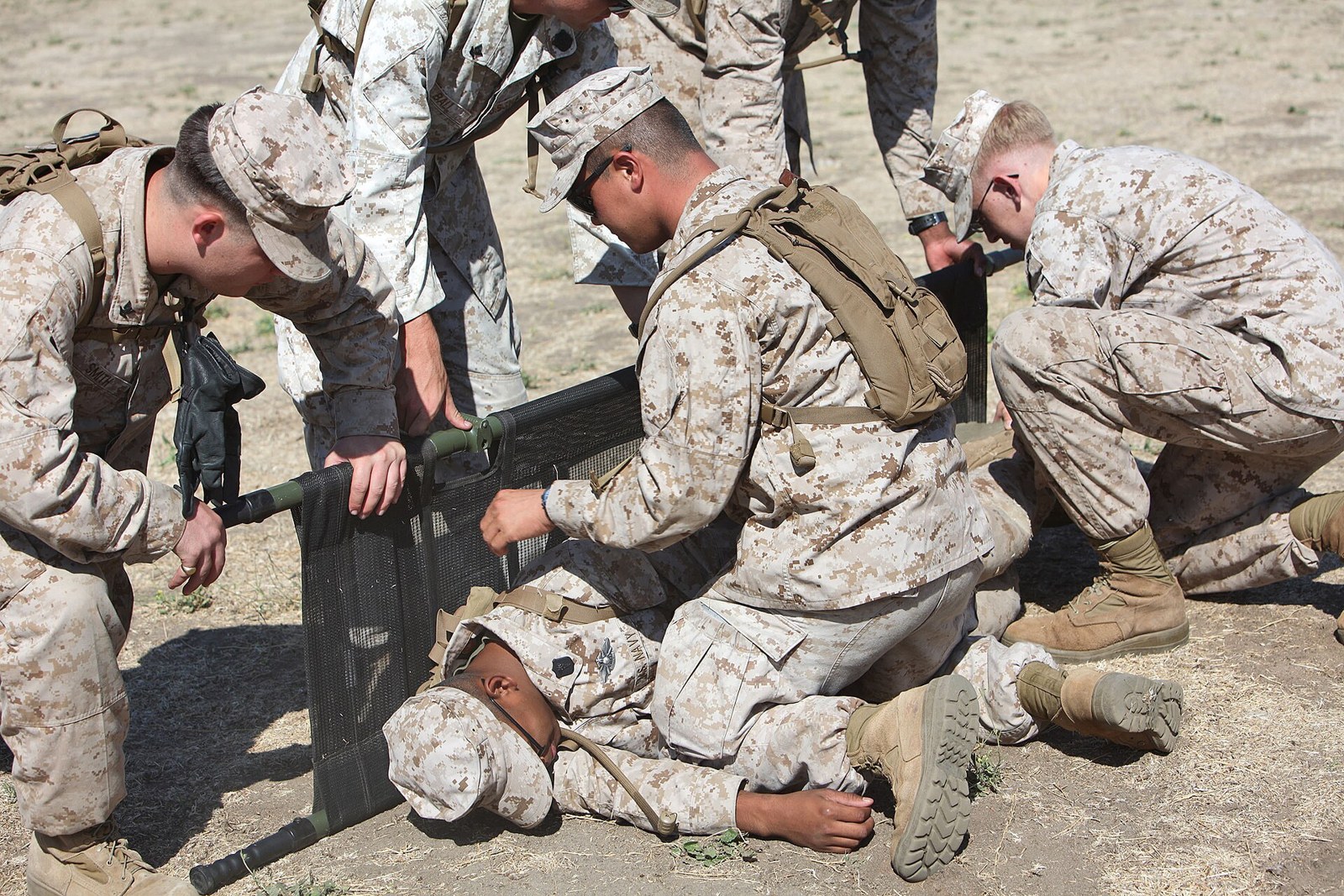
Turning a team on paper into a deployable service involves practical choices. Staff must be available without leaving ordinary services unsupported, equipment has to reach the right place and the operation needs dependable funding. Training and exercises test whether these arrangements work together before they are required in a real emergency.
The announcement was issued on 2 November ahead of today’s opening. It sets out the meeting’s aims rather than reporting final decisions or new financial pledges. The measure of progress will be the commitments and follow-through that emerge: stronger national capacity, clearer coordination and teams able to provide appropriate care when they are called upon.