Bulgaria’s Electricity System Operator has invested more than €182 million during 2026 in rebuilding, rehabilitating and connecting facilities to the transmission network. Its 3 November assessment says the grid is prepared for autumn and winter operations.
More than 120 kilometres of power lines have been built or reconstructed. Work includes overhead lines in Sofia Province and the areas of Plovdiv, Burgas, Shumen and Gorna Oryahovitsa, with reliability and increased transmission capacity among the stated objectives.
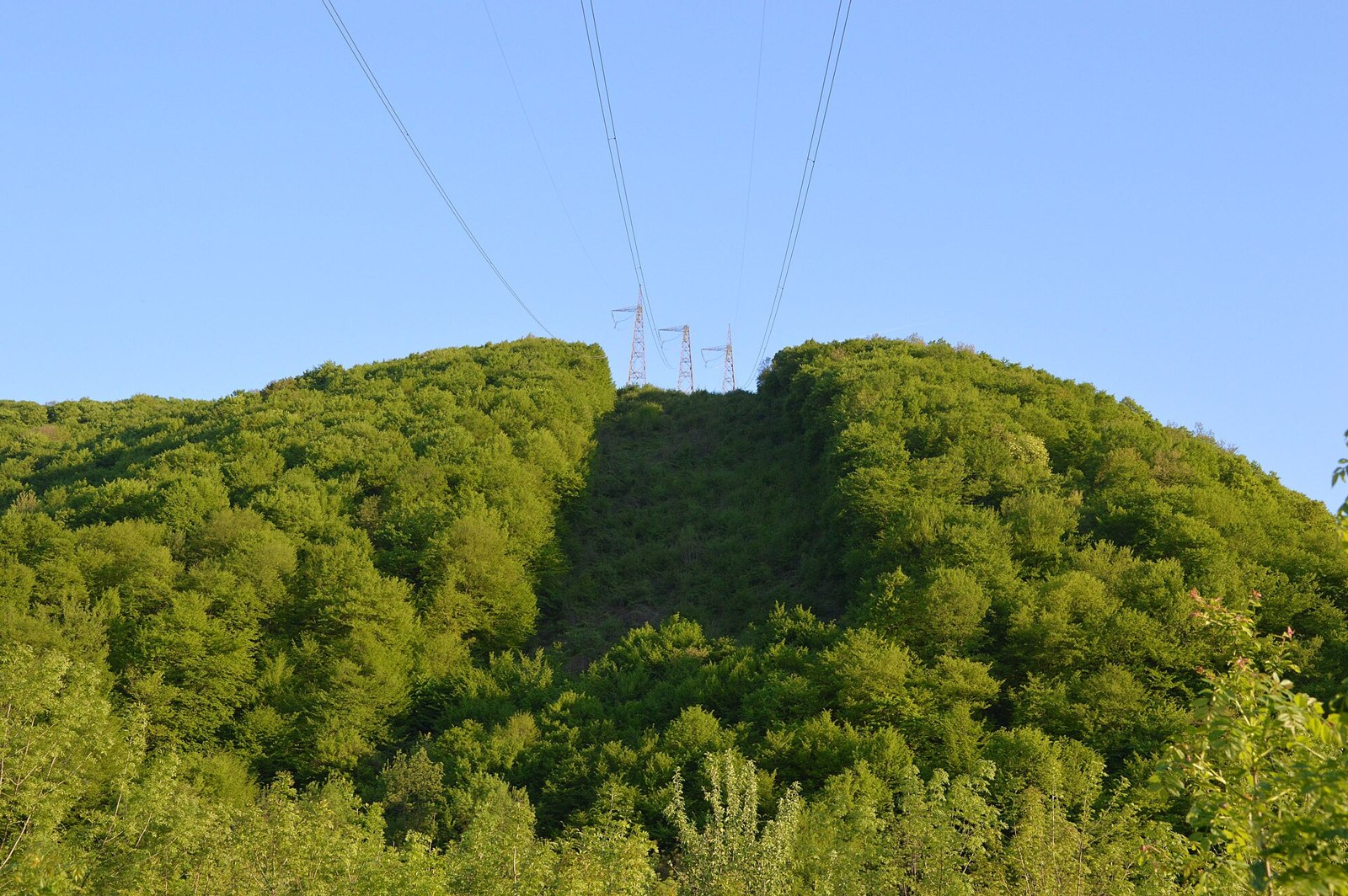
On almost 60 kilometres of lines, lightning-protection wires have been replaced with versions incorporating optical fibres. The operator also reports clearing vegetation along overhead-line corridors covering close to 11,000 decares.
Upgrades extend to 110 kV outdoor switchgear at substations in ten provinces. ESO says digitalisation should help its teams respond more quickly when faults occur. Specialist vehicles, communications equipment and tools have also been prepared for repair crews.
Transmission is the link between electricity production and the networks supplying individual customers. Building generating capacity alone cannot ensure reliable deliveries if lines or substations become bottlenecks. Maintenance therefore matters both for existing consumers and for connecting new facilities.
The announcement is an operator’s account of investment and readiness, rather than a guarantee that interruptions cannot occur. The practical test will be how the upgraded network handles demand and how quickly faults can be isolated and repaired.