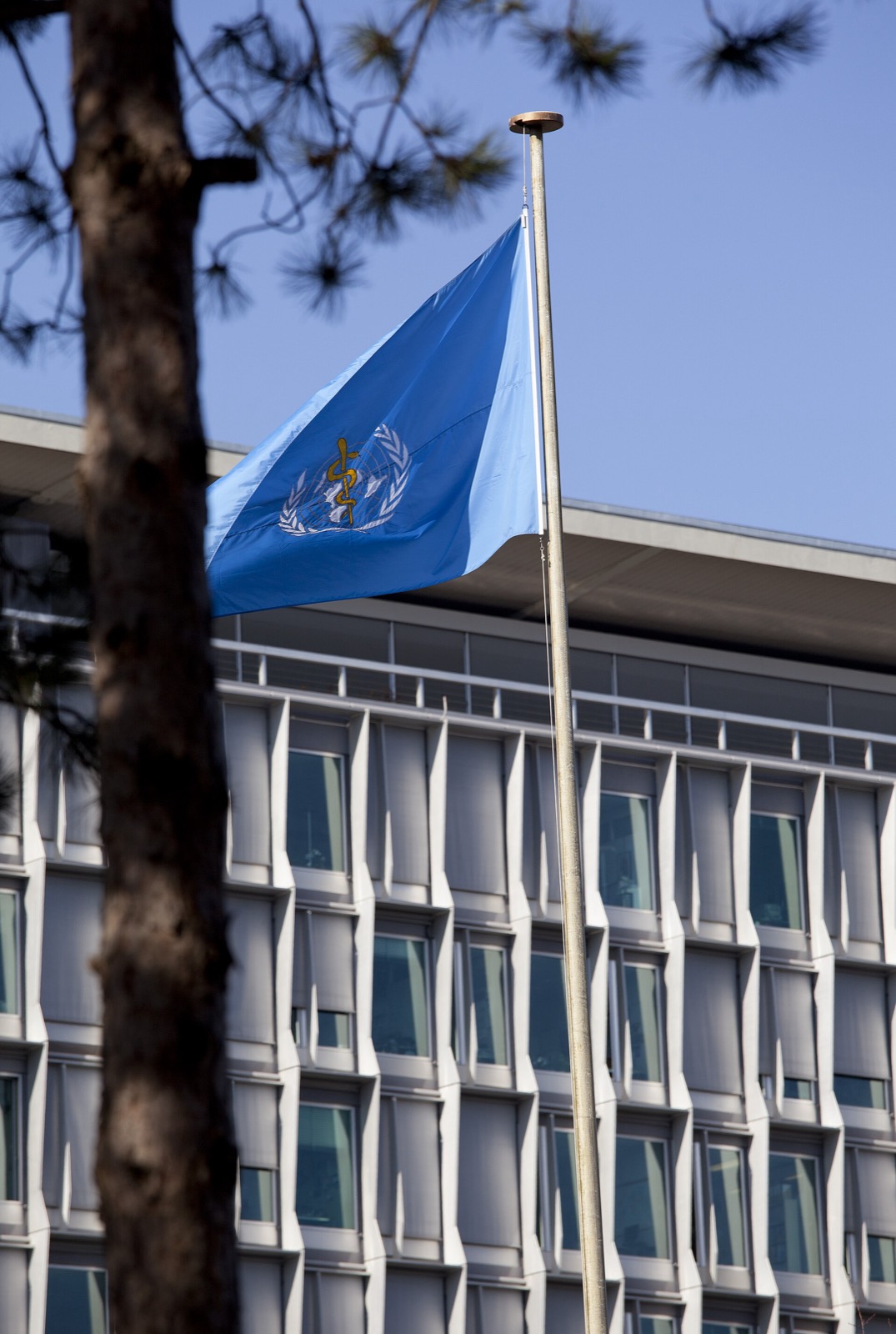
A high-level dialogue in Brussels on 3 November is putting the links between human, animal, plant and environmental health at the centre of disease preparedness. Convened by WHO’s European office for One Health Day, the meeting is designed to turn political commitments into coordinated action across institutions that often work in separate systems.
The participants include the Food and Agriculture Organization, the UN Environment Programme and the World Organisation for Animal Health, alongside European institutions and technical partners. Governance, investment, surveillance and responses to emerging cross-border threats are on the agenda. The published programme includes vector-borne diseases, but is not an announcement of a new outbreak.
One Health starts from a practical problem: risks do not respect the boundaries between sectors. An infection detected in animals, a food-safety failure or changes in an ecosystem can have implications for people. Sharing information between veterinary, environmental and public-health services can help identify those connections earlier instead of waiting for pressure to reach a hospital.
The approach is also relevant to antimicrobial resistance and the safety of food and water. It does not replace specialist services or mean that every health problem has one cause. It asks those services to coordinate prevention, detection and response where their responsibilities overlap. The Brussels dialogue will examine implementation across Europe and Central Asia through a regional coordination mechanism.
The measure of success will be what follows the discussion: clear responsibilities, usable information and resources that support joint action. The event is co-funded through the EU4Health programme. Its agenda should not be mistaken for already adopted decisions or fresh funding pledges; those would require separate confirmation after the meeting.