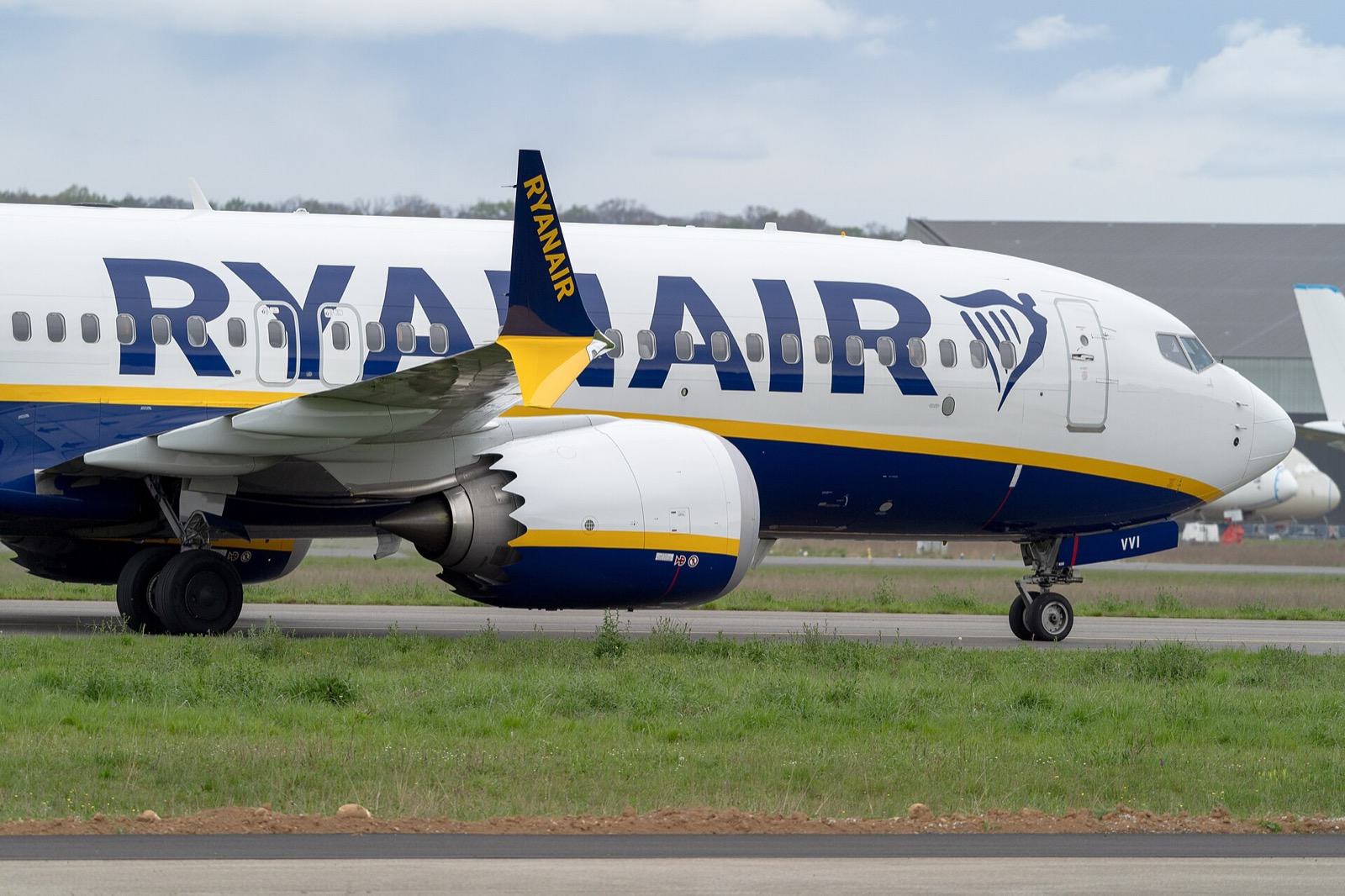
Ryanair’s passenger growth has not translated into higher profit. The airline reported €2.15 billion in profit after tax for the six months to 30 September, down 15% from a year earlier, while carrying 125.8 million passengers, a 6% increase. The results were released on 2 November and set out a tougher cost outlook for European aviation.
Average fares fell 4% to €55.70, while revenue rose 3% to €10.08 billion. Operating costs increased 10% to €7.69 billion. The price paid for the fifth of jet fuel not protected by hedging roughly doubled, weakening the benefit of a larger passenger base. Cheaper tickets and more bookings did not offset the rise in costs.
Fuel hedging helps explain why the impact differs across periods. Ryanair has covered 80% of its fuel requirements for the current financial year at about $67 a barrel, but only 25% for the following year at around $95. The airline estimates that its next-year fuel bill could rise by roughly €2 billion at current forward prices. That is a forecast, not an expense already incurred.
The company expects higher fuel costs and constrained capacity to push European short-haul fares upwards, but has not announced a uniform increase for every route or ticket. It is reviewing costs, including airport agreements, staffing arrangements and the use of AI. Its winter traffic outlook reflects an earlier reduction in the full-year passenger target from 216 million to 214 million.
For travellers, the report points to uncertainty rather than a single new price list. Ticket prices will still depend on the route, date and booking conditions. For the business, the challenge is clearer: preserve a cost advantage as older fuel hedges expire. Strong traffic alone is not enough when each flight becomes more expensive to operate.