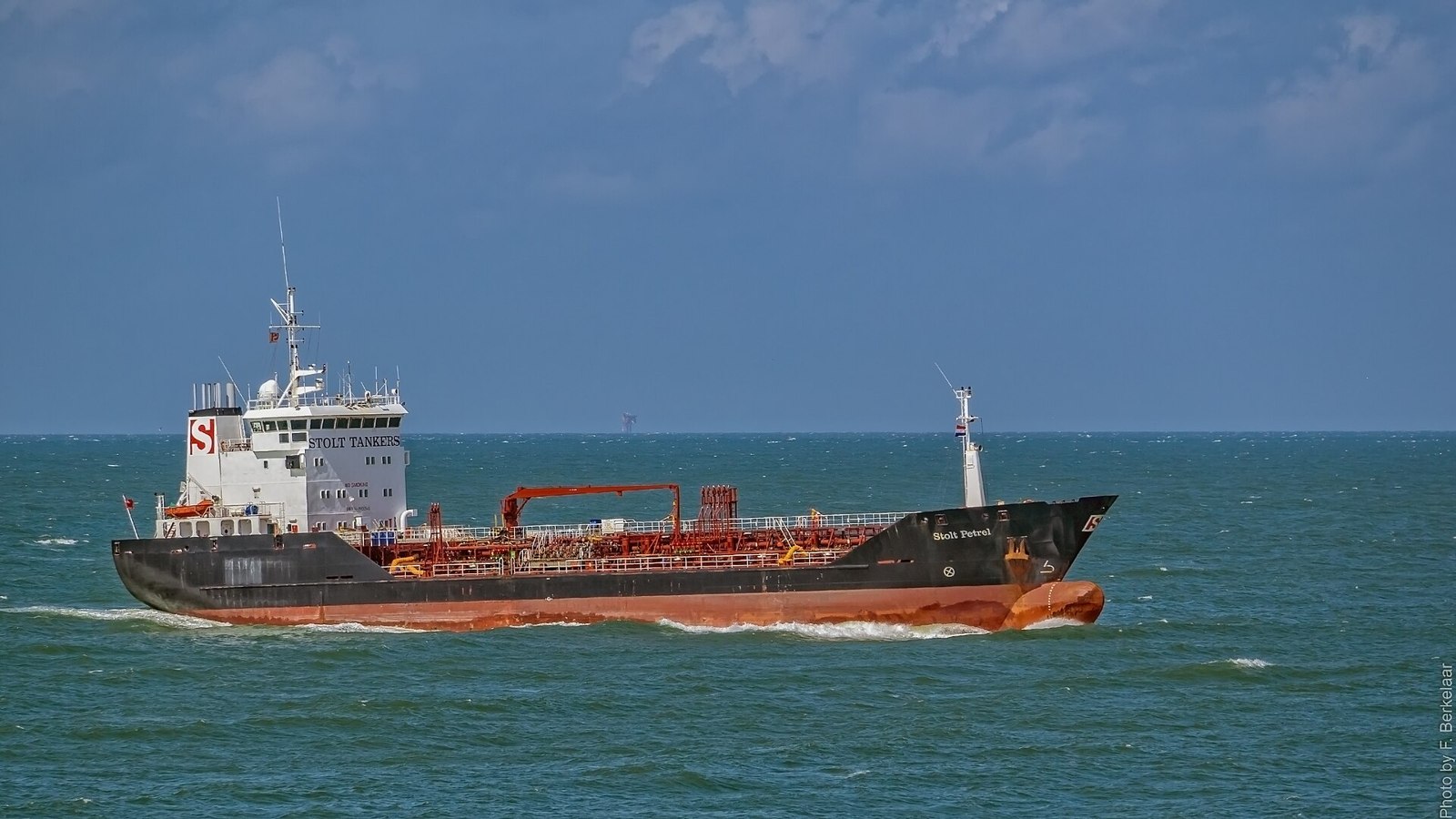
Iran says four oil tankers struck naval mines and caught fire while attempting to use a shipping route south of the Strait of Hormuz that Tehran describes as prohibited. The claim, reported on 4 November, has not been independently verified.
The Revolutionary Guard also reported stopping two other vessels. The account does not establish a verified picture of the ships' identities, the condition of their crews or the extent of the damage. Those gaps matter: a military statement is not the same as confirmation from a shipowner, flag state or rescue authority.
A statement with consequences
For commercial shipping, an unresolved security report can still affect decisions. Operators must assess routes, crews and insurance before a voyage, rather than wait for a complete public account. That does not establish that every passage is closed or that every vessel faces the same conditions.
The exposure is substantial. Around 20 million barrels a day of crude oil and oil products passed through Hormuz in 2025, according to the International Energy Agency. That historical figure illustrates the route’s importance; it is not a measurement of today’s traffic.
What would clarify the picture
The next important evidence would be named vessels, statements from their operators and information on crew safety and assistance. The timing and location of each reported incident also need to be established before separate reports can reliably be treated as one event.
A further distinction concerns the route itself. Calling it prohibited is part of Iran's account; it should not be read as an independently established judgement about navigation rights. Until more evidence emerges, the scale of the incident remains uncertain, even though the report adds to concerns about commercial passage through the area.