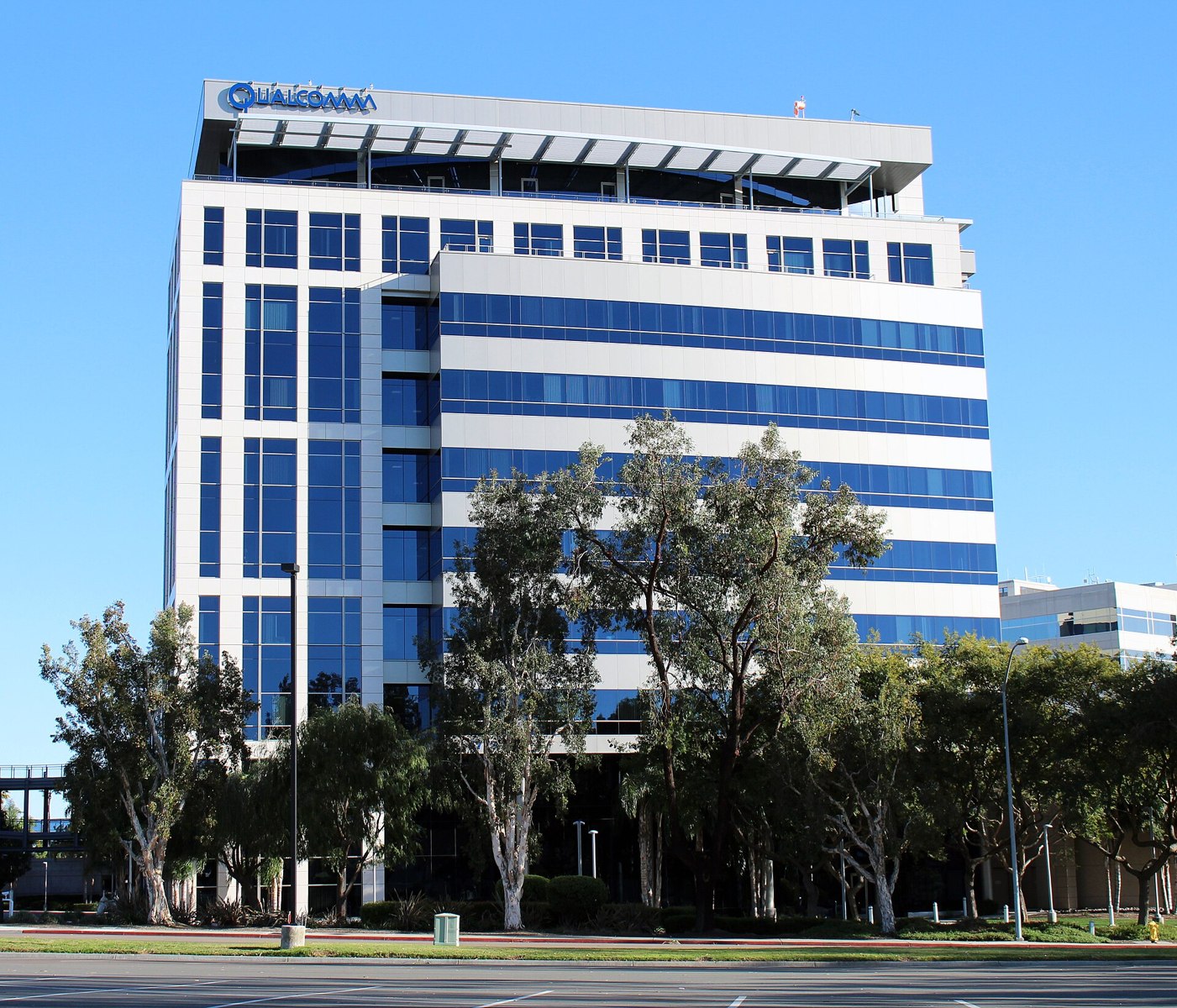
Qualcomm is looking beyond smartphones for its next phase of growth after a sharp fall in handset revenue. Results released on 4 November show automotive revenue reaching $1.99 billion in the final quarter of fiscal 2026, up 89% from a year earlier — a rounded $2 billion milestone for the business.
The contrast with phones is stark. QCT handset revenue fell 26% to about $5.14 billion. Cars are growing rapidly, but the handset business remains much larger and continues to exert a strong influence on the group's performance.
Growth does not yet offset the decline
Total quarterly revenue on the standard GAAP basis was $10.322 billion, down 8%. Adjusted, non-GAAP revenue was $10.442 billion, down 7%. Those measures use different adjustments and should not be presented as interchangeable totals.
For the full fiscal year, GAAP revenue was $43.12 billion, down 3%. Annual net income rose sharply, but included a $5.7 billion income-tax benefit. That accounting gain is important context: it does not represent an equivalent surge in sales or operating demand.
The next bet is the data centre
Qualcomm announced a multi-generation collaboration with Amazon for AI data centres and reiterated a $5 billion data-centre revenue target for fiscal 2027. The figure is a forward-looking company target, rather than revenue already earned.
The company also renewed long-term technology-licensing agreements with Apple, Huawei and Transsion. Licensing and chip sales are related but separate revenue streams, giving Qualcomm more than one route to monetise its technology.
The results capture a transition rather than a completed escape from the smartphone cycle. Automotive growth and the proposed data-centre expansion could broaden the business, while the scale of the handset decline shows why that diversification matters. The next test is whether new revenue arrives quickly enough to support the wider group.