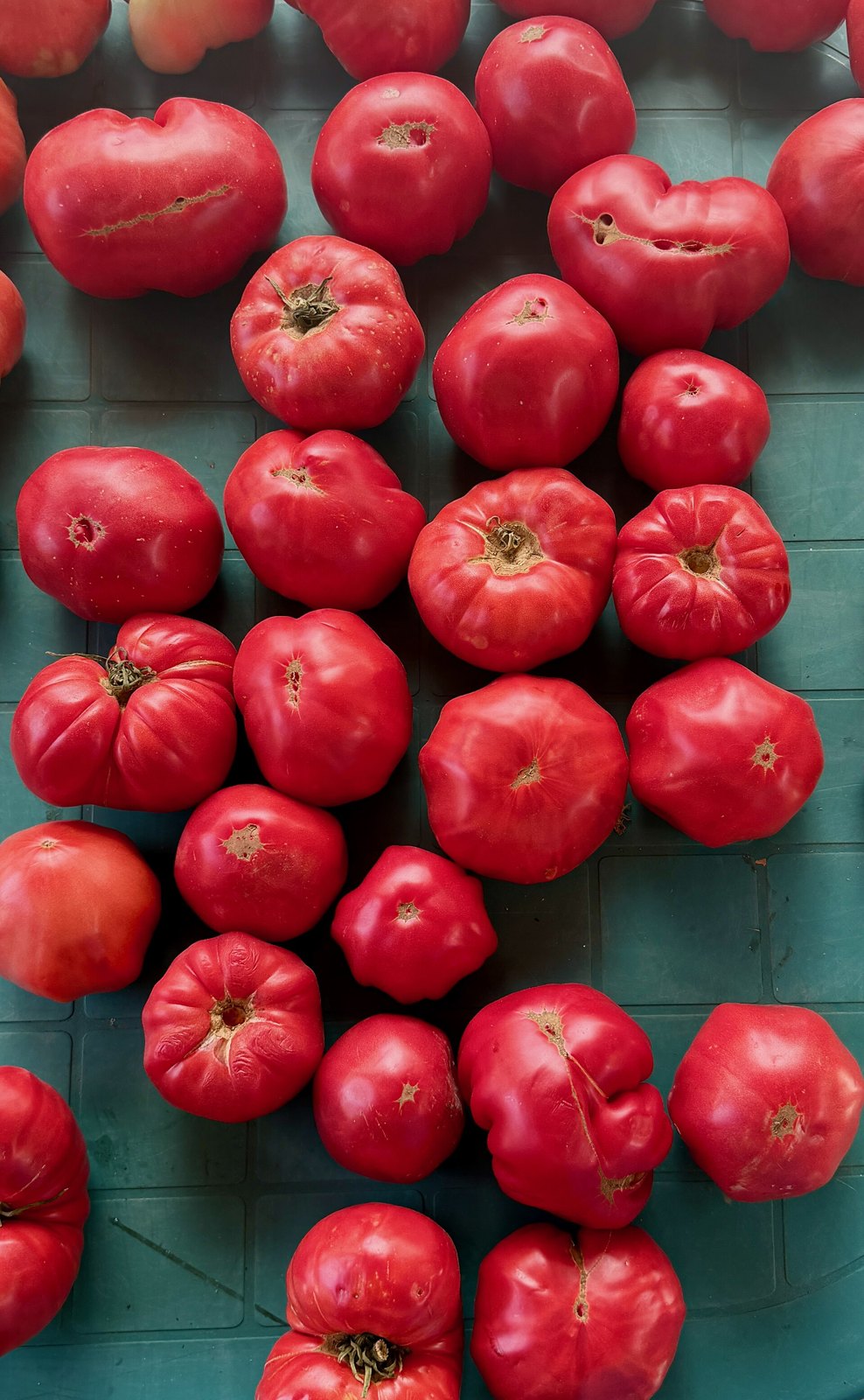
Wholesale tomato prices in Bulgaria rose 16.68% to €2.35 per kilogram in the first week of November. The wider wholesale food-price index increased 1.09%, reaching 2.415 points from 2.389 a week earlier.
The figures show a weekly movement in wholesale trading, not the price every household will pay at a supermarket or neighbourhood shop. Zucchini and red and green peppers also recorded double-digit percentage increases, while some other products became cheaper.
The shelf price is a different measure
Wholesale and retail prices describe different stages of the supply chain. A shop’s price can reflect transport, storage, losses, promotions and the timing of its purchases as well as the amount paid to a wholesaler.
That means a weekly wholesale rise need not appear immediately, or at the same percentage, on every shelf. Equally, one discounted product does not disprove a broader movement in the index.
The basket does not move as one
The weekly report includes falls as well as increases. Cabbage and lemons became cheaper, illustrating why a headline about rising produce prices should not be turned into a claim that every item rose.
The index’s level also needs to be read against its own historical base. It is not a household inflation rate, and the weekly percentage change should not be confused with an annual rise in consumer prices.
For shoppers, the useful comparison remains the unit price of the product they buy. For the wider market, the new figures indicate another increase in wholesale food costs, with fresh vegetables contributing conspicuous movements during the week.