The warning before winter
Food can be available in Afghanistan’s markets while families cannot afford it. OCHA warned at the UN Geneva briefing on 20 October that 15.9 million people faced crisis-level acute food insecurity or worse in September–October. The agency expects conditions to deteriorate during the winter lean season. [1]
What the figure measures
This is an assessment covering a defined period, not a count of people who have already died or a declaration that the whole country is in famine. The briefing also links vulnerability to lost income and restricted access to services. One better harvest does not repair household finances after repeated shocks. [1]
Context: supply is only half the problem
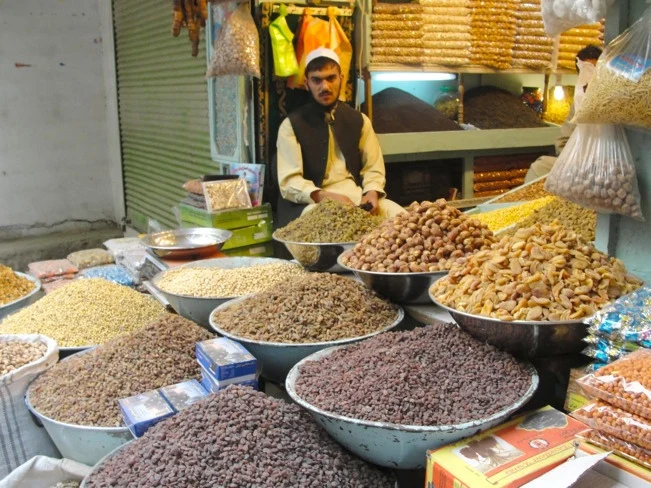
A market photograph can show full stalls and still tell us little about nutrition inside nearby homes. The practical question is purchasing power: what remains after a family pays for shelter, heating and transport? This distinction explains why food deliveries and support for livelihoods address different parts of the same emergency.
What to watch
The next meaningful signals are updated food-security assessments, the reach of assistance and whether families can maintain income through winter. This report summarises the UN briefing; Nove.news has not surveyed households independently. The accompanying Kabul market photograph is from 2010 and does not document current prices or conditions.