What the new evidence says
UN Women presented a survey of 50 organisations assisting women and girls displaced from El Fasher. Forty-nine reported signs of psychological distress, and nine in ten described unsafe living conditions. These are findings reported by organisations supporting displaced people, not a population-wide prevalence survey of every woman in Darfur. [1]
Testimony from inside and outside the city
Amnesty International says interviews conducted in August and September with 25 civilians, including residents and aid workers, describe detention, restrictions on movement and unlawful killings after the Rapid Support Forces took the city. It says it sought an RSF response on 9 October and had received none when publishing. These are attributed findings and allegations, not a new judicial verdict. [2]
Survival is more than reaching a camp
The two accounts direct attention to what happens after people escape immediate fighting: safe shelter, the ability to move, access to care and support for trauma. A ceasefire announcement, if one comes, would need to be assessed against those conditions. A line on a map cannot show whether a family can obtain food without exposing itself to danger, or whether a survivor can seek help confidentially.
What would count as progress
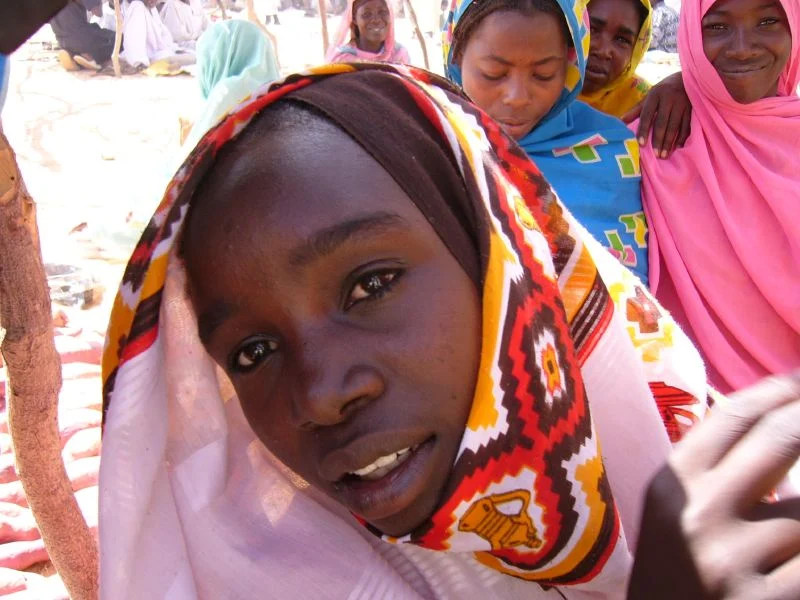
The practical tests are sustained humanitarian access, protection from abuse and credible investigation of alleged violations. Aid organisations also need to be able to describe unmet needs without their evidence being mistaken for a complete census. The archive photograph shows women in a Darfur refugee camp in Chad; it is not a record of El Fasher today. It illustrates displacement, while the linked reports provide the evidence for the current story.