From demonstration to evaluation
Nokia announced new AI-RAN work with NVIDIA on 21 October. The company describes an Elisa demonstration in Helsinki carrying voice, data and video analytics together. Commercial evaluation of customer use cases is expected in 2027; a BT live-network trial in Birmingham is also planned for 2027. [1]
The field test still matters
These are milestones reported by Nokia, with future testing dates. They do not establish a nationwide commercial rollout. The distinction between a demonstration, an operator trial and routine customer service matters when judging how close an AI radio network is to widespread use. [1]
Context: intelligence has an operating cost
Putting computation closer to the radio network raises a practical question: does the benefit justify the equipment, power and operational complexity? That is an evaluation framework, not a measured finding about this deployment. Results need a clear comparison and an explanation of the conditions under which any improvement was obtained.
What operators will need to show
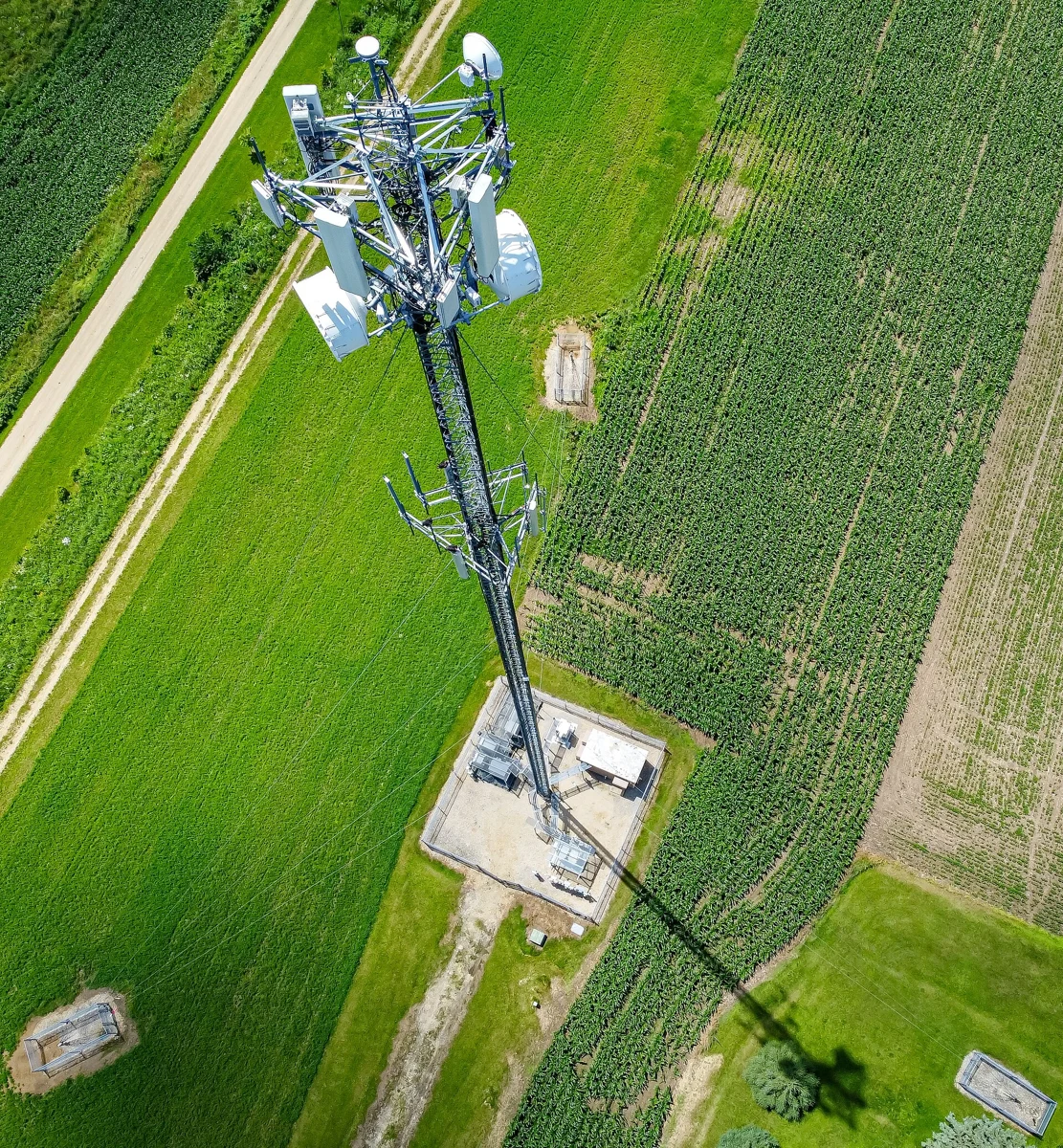
The informative next evidence would describe performance under real traffic, reliability and the operational burden on engineers. A successful demonstration can justify a larger trial without answering every question about scale. Nove.news has not reviewed unpublished test data. The archive image shows a cellular tower in Wisconsin in 2024, not Elisa’s Helsinki installation.