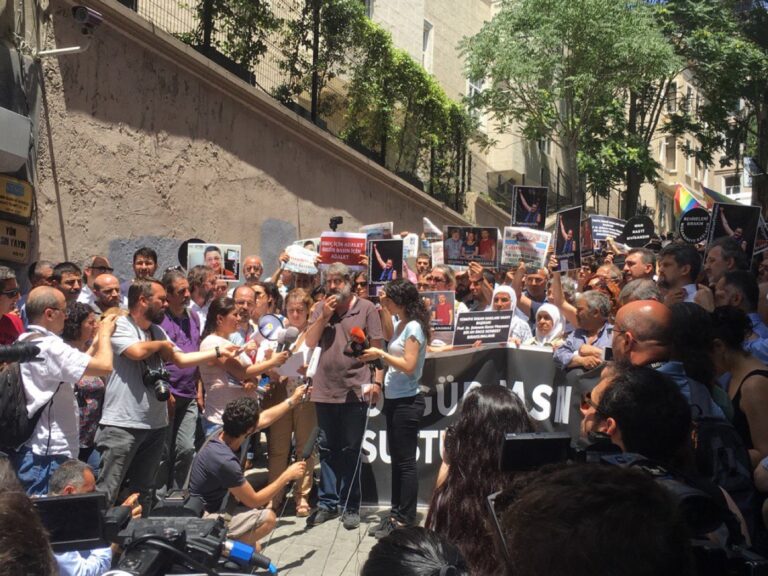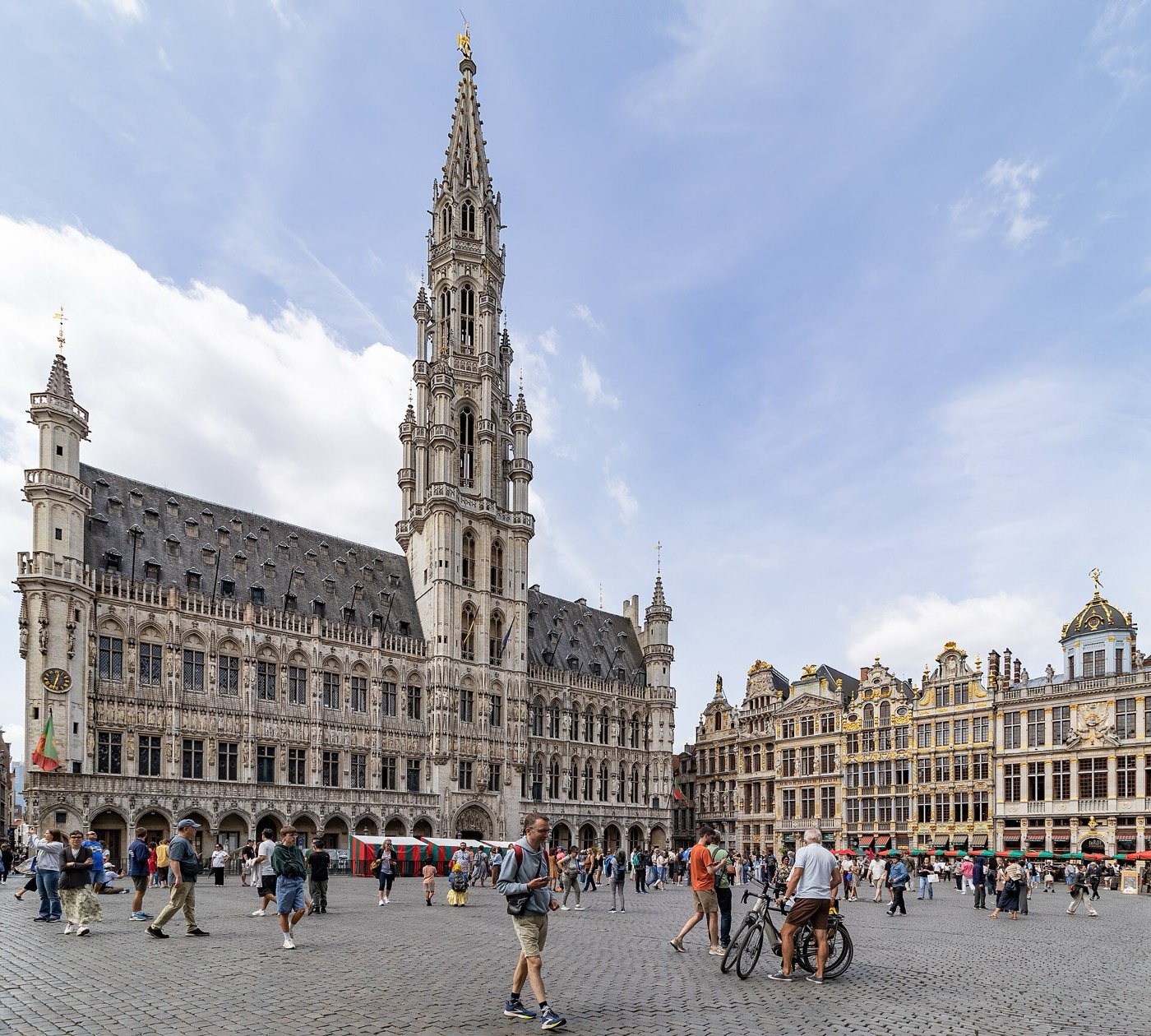
Belgian police used tear gas and pepper spray during clashes with demonstrators in Brussels on 24 October. Hundreds of mostly young protesters had gathered to demand more funding and better conditions in education, while also challenging police conduct at earlier demonstrations.
Nine detentions, different grounds
Police reported nine detentions by the end of the afternoon: five on public-order grounds and four relating to prohibited weapons or incitement. Detention does not establish guilt. The police statement described no major incidents overall, although confrontations were documented during the day.
Pressure on the streets
Reuters witnesses saw officers hitting and kicking a demonstrator during a pursuit. Other protesters piled rental scooters, bicycles and road signs together and tried to ignite them. The confrontations were smaller and less violent than the previous week’s unrest.
A wider dispute over public services
The education protests form part of a longer mobilisation. A much larger Brussels march on 9 October brought together teachers, students, railway workers and other groups against the government’s social and economic policies. School funding and conditions remain a distinct part of that broader discontent.