Amazon has introduced a new range of Alexa devices that moves its assistant further into the home, from the bedside table to the living-room wall. The 28 October launch includes Echo Time, Alexa Photo Frame, a redesigned Echo Show 16 and new versions of Echo Dot and Echo Studio.
Echo Time is a camera-free bedside clock with a display and sleep-sensing technology. Amazon says it can identify lighter sleep and adjust the wake-up moment within a window before the scheduled alarm. The feature is a manufacturer’s product claim, not evidence that the clock diagnoses or treats a sleep disorder.
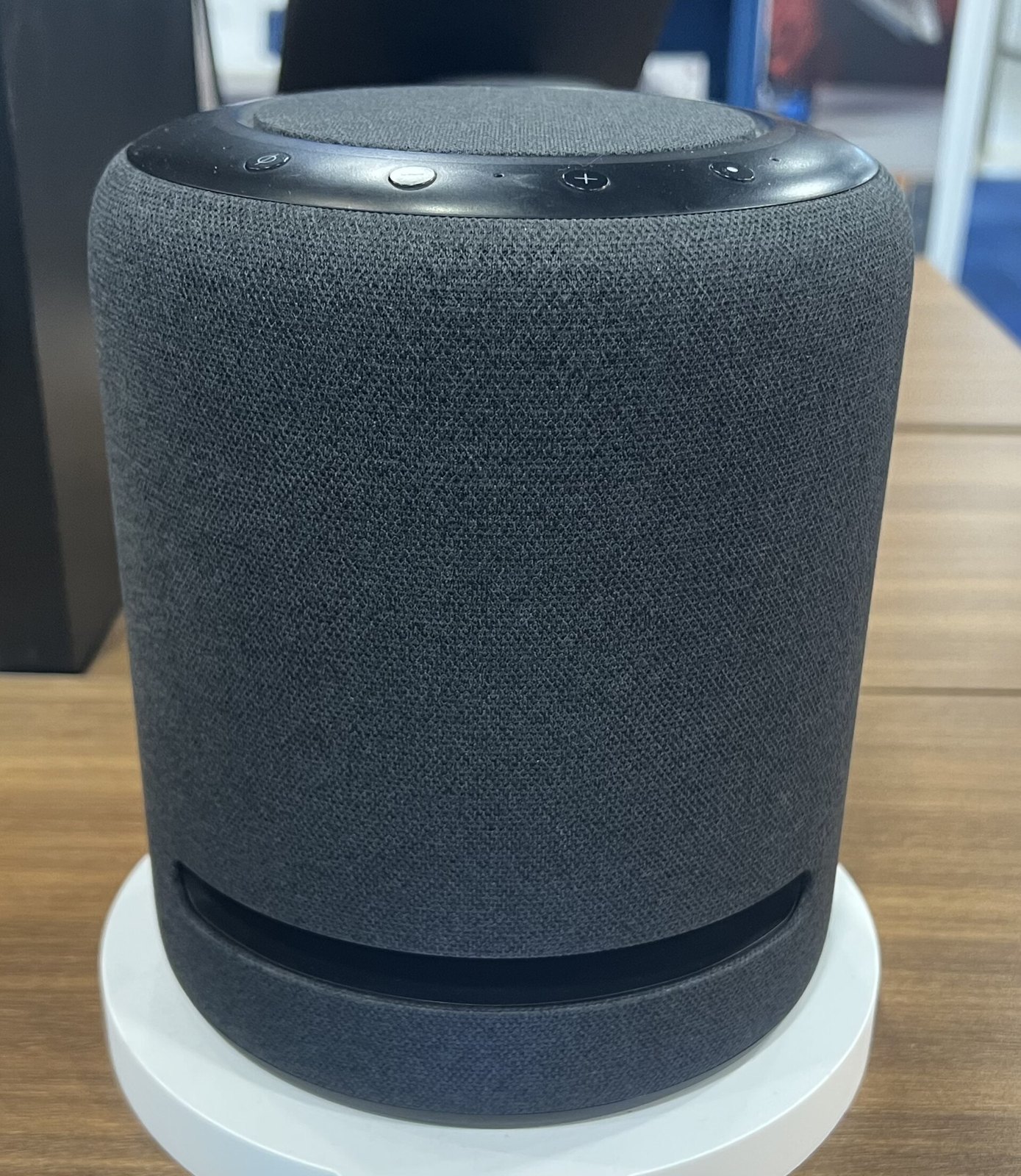
The more conspicuous change is Echo Studio with Home Camera. The camera gives the speaker visual context for tasks such as recognising an object held in front of it or checking a room remotely. It also makes privacy controls part of the purchasing decision, rather than a detail confined to the sound quality.
Echo Show 16 combines a 16-inch screen, built-in Fire TV and customisable layouts for calendars, photographs and smart-home controls. Amazon opened preorders from $499.99 in the US. Echo Dot, priced at $99.99 in the same market, gains a smart-home hub and an eero Wi-Fi extender.
The prices and availability in Amazon’s US announcement should not be read as Bulgarian retail offers. The company’s Australian announcement covers a different selection and local pricing, illustrating why features, subscriptions and market availability need to be checked separately. Some capabilities require Alexa+.
Amazon says customers can disable sleep sensing and use privacy controls to turn off microphones. For households, the broader shift is that the assistant is gaining more ways to sense its surroundings and act on connected services. Convenience will depend on what users choose to connect, what data they allow the devices to process and whether the promised functions are available in their market.