Air New Zealand and Hong Kong International Airport have become the first organisations to receive IATA One ID Certification. The announcement on 28 October marks a step towards airport journeys with fewer repeated document checks, rather than the disappearance of passports or entry requirements.
One ID combines digital identity, advance verification of travel documents and biometric recognition at participating checkpoints. The certification assesses an organisation’s processes against industry standards, including how it handles biometric information, consent and privacy.
Four areas are covered: digitalisation of admissibility, contactless travel, biometric handling, and privacy, consent and governance. Airlines, airports and technology providers can seek certification in the areas relevant to their activities. The two first recipients were certified across the areas applicable to their operations.
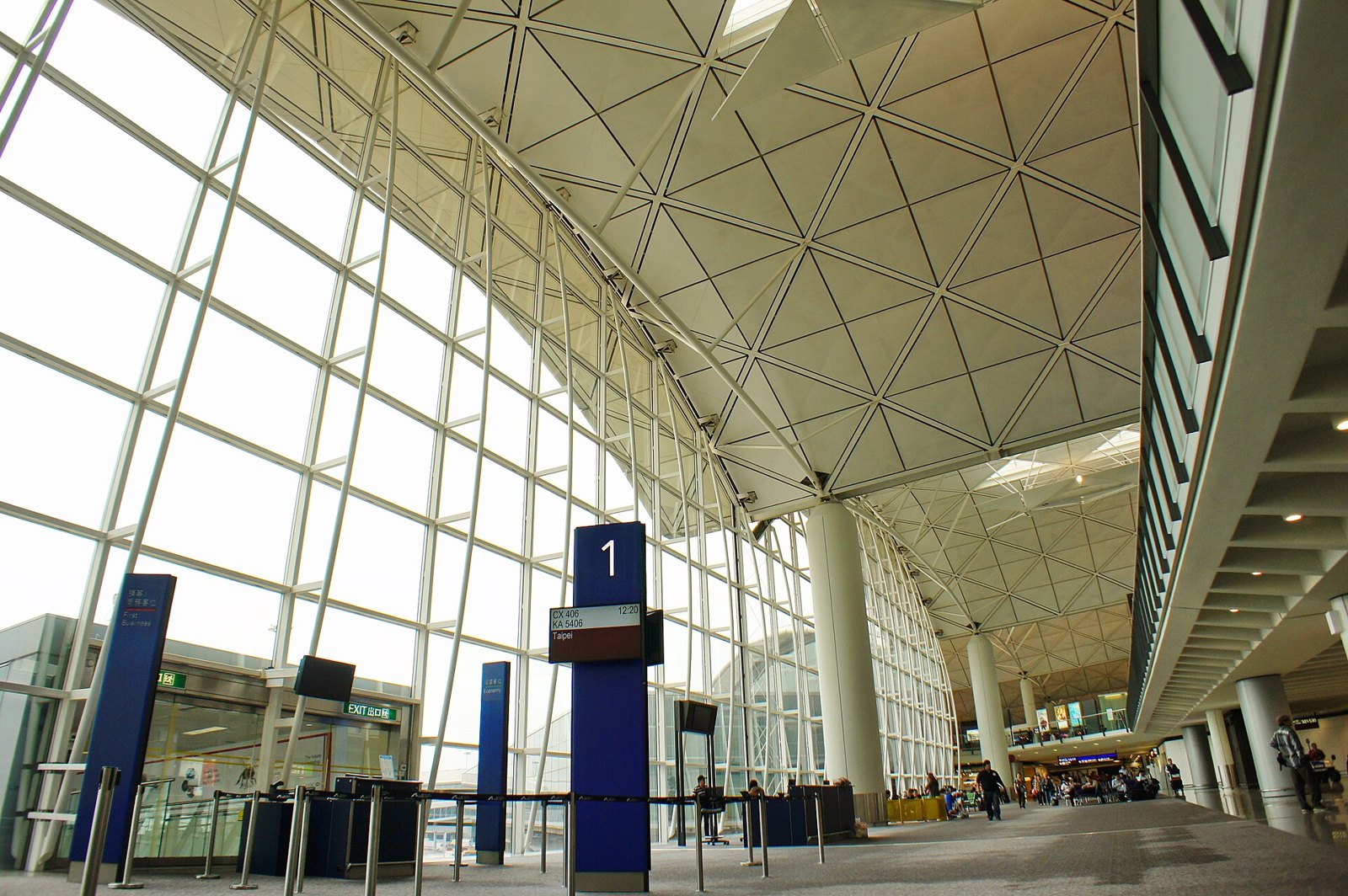
Hong Kong’s Flight Token system already allows eligible passengers to use facial recognition across key departure checkpoints. The airport says more than 80% of departing passengers are eligible for the full departure journey, and more than 93 million passengers have used the system since 2021. Those figures do not mean that all international airports now accept the same digital identity.
IATA’s new passenger survey helps explain the industry’s interest. Some 78% of respondents said they would share biometric information to avoid repeatedly presenting physical documents at airport checkpoints. At the same time, the survey identified concerns about data breaches, sharing information with other organisations and unclear handling of personal data.
The next challenge is interoperability: different airlines, airports and governments must recognise compatible credentials and agree how identity is checked. A certificate alone does not change a country’s visa rules or give a passenger permission to enter it.
For travellers, the practical promise is less friction at participating locations. Until recognition is broader and entry rules change, passengers should continue to check the documents required for their route rather than assume that facial recognition replaces them everywhere.