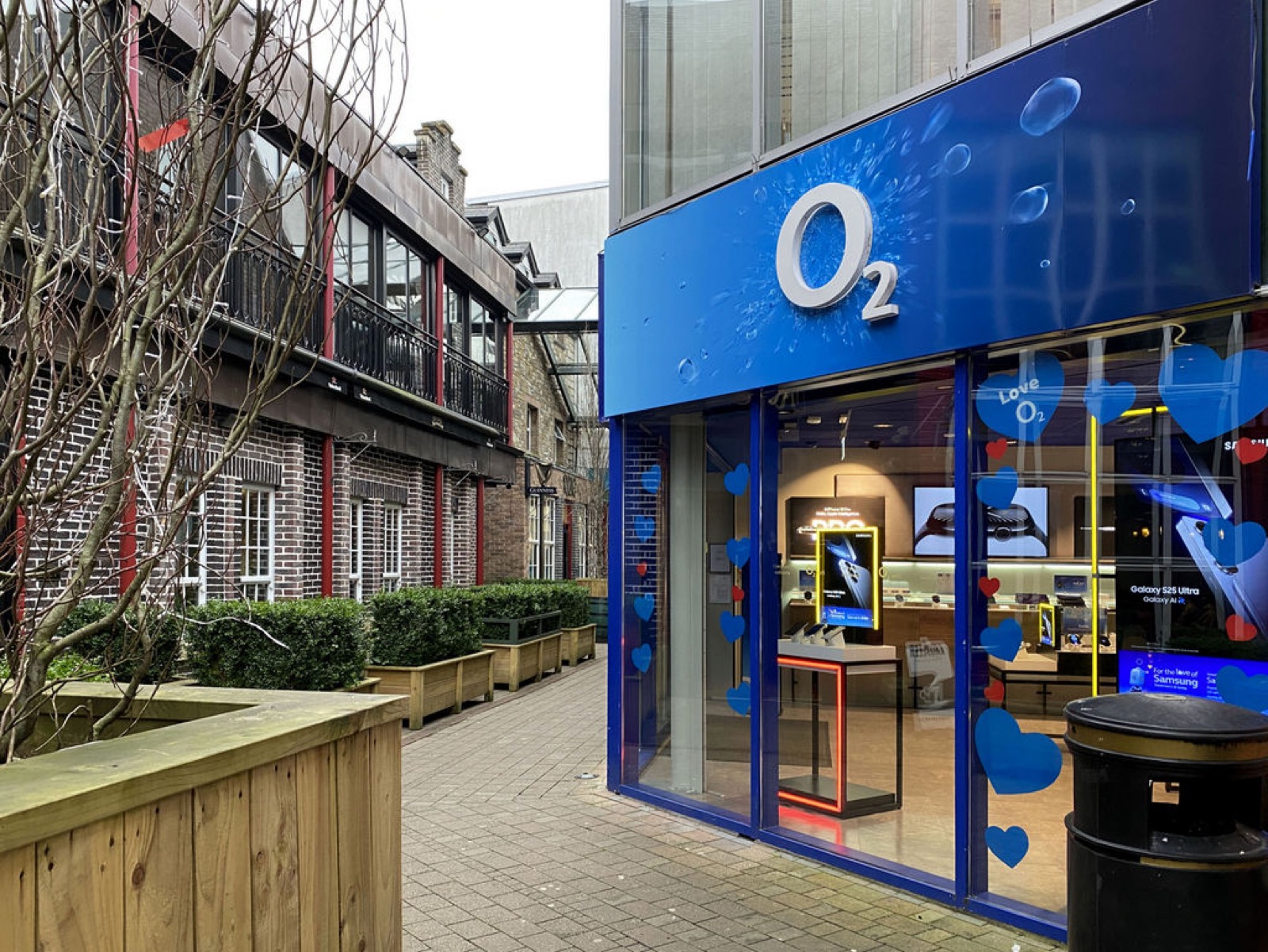
Virgin Media O2 is halting further fibre upgrades beyond existing commitments and restructuring its business as competition and debt put pressure on the UK operator. The strategy, announced with its third-quarter results on 3 November, targets about £800 million in annualised cost savings by 2029. It does not mean the company is switching off its existing broadband network.
The change includes job cuts and a redesign of the organisation. The operator aims to reduce total people costs by around 30%, with much of the reduction falling outside customer-facing roles. That is a cost target, not confirmation that 30% of employees will lose their jobs. The company expects restructuring costs of about £250 million.
Network investment is changing direction rather than stopping altogether. Existing fibre commitments remain in place, while a lower-cost upgrade is intended to deliver 2Gbps speeds across most of the hybrid fibre-coaxial network in 2027. The company is also in talks about using BT’s network. Those discussions should not be treated as a completed wholesale agreement.
The results show the commercial pressure behind the decision. Consumer fixed-line customers fell by 23,300 during the quarter, leaving roughly 5.5 million. Total revenue was £2.43 billion, down 5.7% on a basis adjusted for the Daisy transaction, and adjusted EBITDA fell 2.6% to £995.2 million. The group nevertheless reaffirmed its full-year financial guidance.
The broader telecoms question is how much infrastructure an operator must own to compete effectively. Buying access can reduce the need to build in every area, but changes how network spending, control and service delivery fit together. For customers, the immediate announcement concerns the operator’s investment and staffing plans, rather than an automatic change to an existing contract or the availability of a working connection.