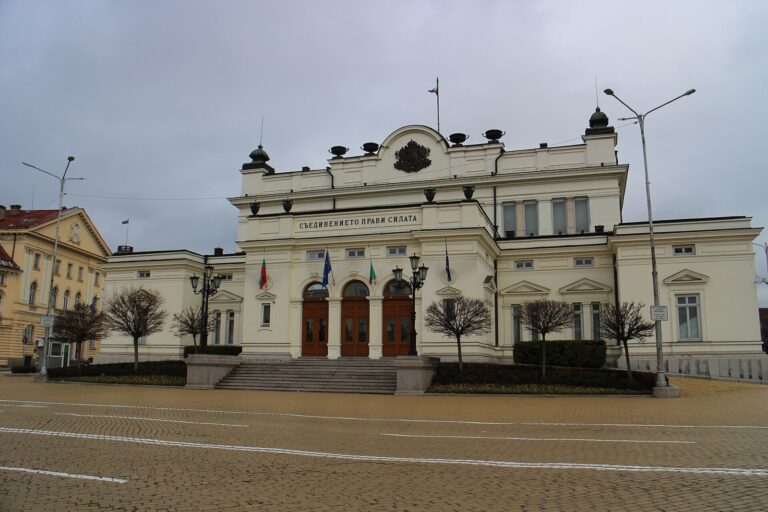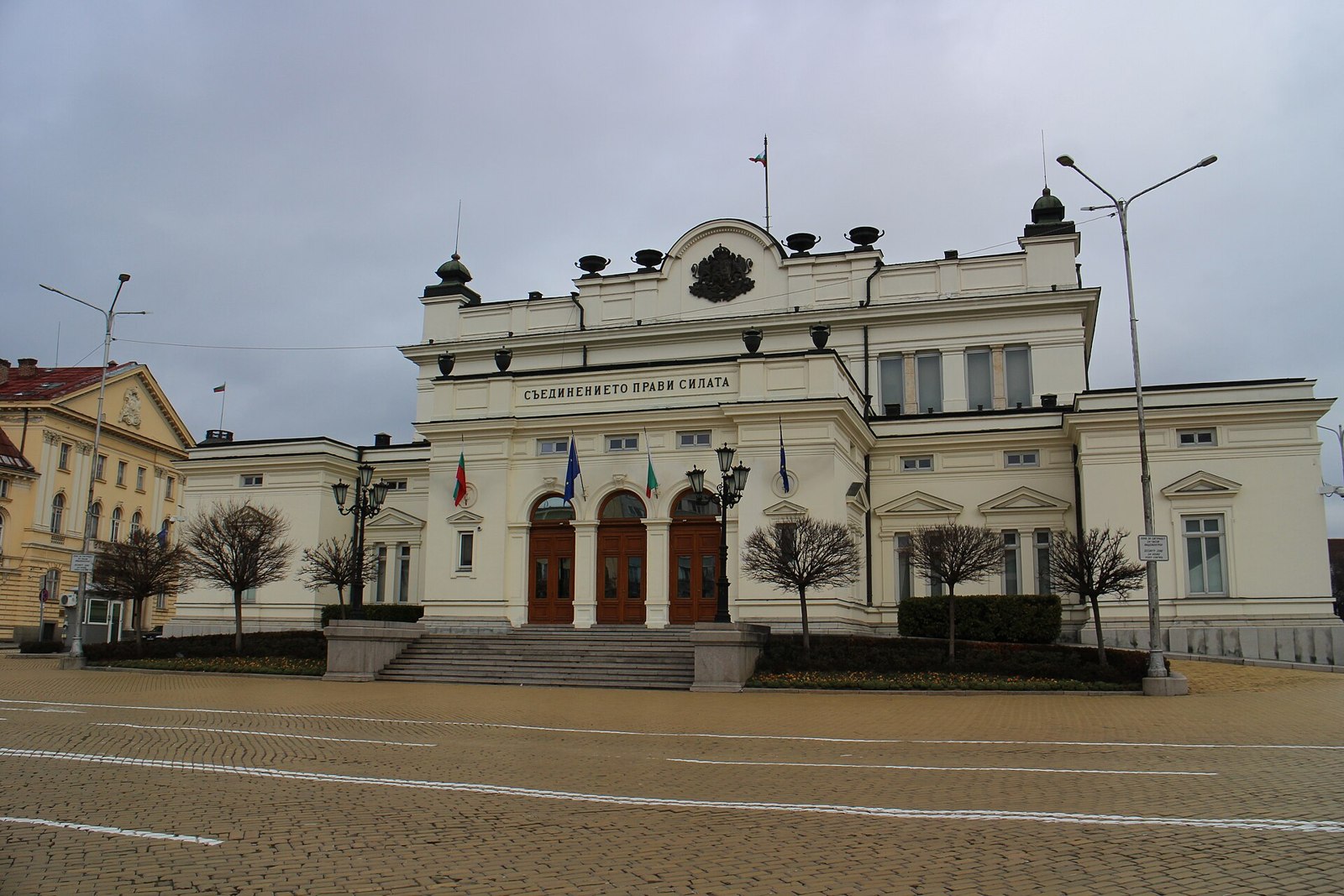
Bulgaria's parliament approved a bill on the Bulgarian language at first reading on 4 November, with 153 votes in favour. The proposal, introduced by Vazrazhdane, now moves into a three-week period for amendments before a second reading.
The vote endorses the bill's general approach. It does not put a new language law into force, and individual provisions can still change during the next parliamentary stage. DPS did not participate in the vote.
One framework for scattered rules
The proposal seeks to bring the state's language policy into a single framework. Its stated scope includes the use of standard Bulgarian in education, public administration, media and electronic communication. The sponsors argue that existing language requirements are dispersed across more than a hundred laws without a sufficiently coordinated mechanism for implementation.
That distinction matters for institutions and publishers: the initiative concerns public use of the language, rather than simply adding another declaration about its cultural importance. The eventual wording will determine what practical obligations fall on different organisations and how they are applied.
A council, then a second reading
The bill envisages a consultative council on the Bulgarian language attached to the Council of Ministers. Representatives of academia, education and relevant institutions would coordinate policy, offer expert advice and report annually on the language environment.
The sponsors say the proposal does not regulate private or informal communication and does not restrict the use of other languages in private life. Those assurances are part of the rationale accompanying the bill; the operative provisions remain subject to parliamentary scrutiny.
The next consequential step is the amendment process. Three weeks were allowed to refine the text, after which MPs will consider its provisions at second reading. Until that process is completed, proposed duties should not be presented as existing legal requirements.